

The Tyranny of the Itinerary
Modern travel often feels like a project to be managed. We spend weeks planning, booking, and creating packed itineraries designed to maximise every moment. This approach, often called 'checklist tourism', treats destinations as a series of sights to be collected
and photographed before rushing to the next one. The problem is, this constant movement and decision-making creates its own form of stress. Psychologists refer to the mental exhaustion from making too many choices as 'decision fatigue'. From choosing flights and hotels to deciding where to eat each meal, the logistical load can become overwhelming, turning a break into a source of burnout. This is why many travellers return home feeling mentally foggy and physically drained, having seen everything but experienced very little.
The Alternative: Slow, Immersive Travel
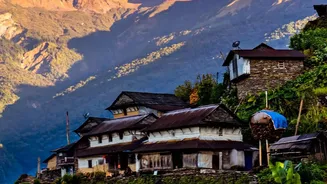
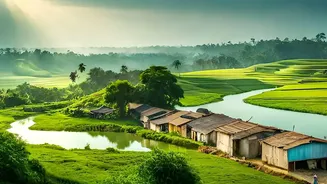
In contrast, a four-day village immersion embraces the principles of 'slow travel'. This mindset prioritises depth over breadth. Instead of hopping between cities, you stay in one place, allowing its rhythm to unfold naturally. A village trip isn't about doing nothing; it's about shifting from a mode of 'seeing' to 'being'. Imagine waking up not to an alarm set for a museum opening, but to the natural pace of village life. Days are filled with simple, meaningful interactions: sharing a meal with a host family, learning a local craft, or walking through fields without a destination in mind. This approach strips away the pressure of a schedule, creating space for spontaneous discovery and genuine connection.
The Science of Genuine Rest
True rest isn't just about the absence of activity; it's a neurological process that allows your brain to recover. Hectic, checklist-driven holidays can keep your nervous system in a state of high alert. In contrast, the unstructured and nature-centric environment of a village stay helps activate the parasympathetic nervous system, responsible for the 'rest and digest' state. Research shows that new and novel environments stimulate brain neuroplasticity, which enhances cognitive flexibility and creativity. By engaging with a different culture, you challenge your brain in a gentle, restorative way, which can reduce stress and boost overall well-being. This kind of mental reset is far more profound than simply being away from the office.
More Than a Vacation, It's a Connection
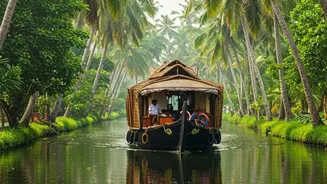
One of the most powerful benefits of village immersion is the cultural exchange. Engaging with local communities fosters empathy and broadens your perspective in a way that observing landmarks from a distance cannot. This type of travel can lead to significant personal growth, increasing self-awareness and building confidence as you navigate an unfamiliar environment. In India, where rural and eco-tourism offer deep dives into ancient traditions, from the Himalayan foothills of Spiti to the Ayurvedic healing villages in Kerala, these experiences are particularly powerful. Supporting these communities also helps preserve local traditions and provides a sustainable alternative to mass tourism.