


Start Before You Pack: The Capsule Wardrobe
The secret to packing light is not about magic; it's about maths. A capsule wardrobe is a small collection of items that can be mixed and matched to create numerous outfits. The key is to choose a simple colour palette. Stick to two or three neutral base
colours like black, navy, beige, or grey for your larger items like trousers and jackets. Then, add one or two accent colours through your tops and accessories. For a week-long trip, a good rule of thumb is the '5-4-3-2-1' method: five tops, four bottoms (can include a dress), three pairs of shoes, two layers (like a jacket or cardigan), and one swimsuit or special item. This disciplined approach ensures every piece works with multiple other pieces, eliminating the 'what if' items that are packed but never worn.
Choose Your Bag Wisely
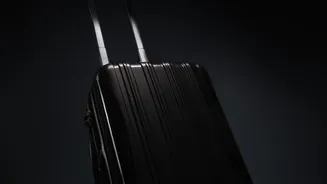
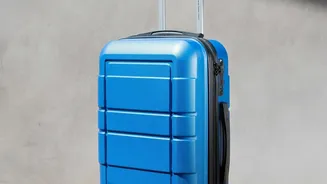
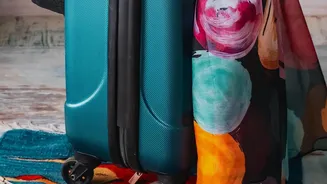
Your packing journey begins with the bag itself. An empty suitcase can weigh anywhere from 2 to 4 kilograms, eating up a significant portion of your 7kg allowance before you've even packed a single pair of socks. Opt for an ultra-lightweight soft-shell spinner or a minimalist travel backpack. These are specifically designed for carry-on travel and often weigh under 1.5kg. Check the dimensions required by your most frequented airlines and find a bag that maximises that space without adding unnecessary weight from heavy frames, wheels, and materials. A lighter bag gives you more precious kilograms to work with for your actual belongings.
The Great Debate: Roll, Don’t Fold
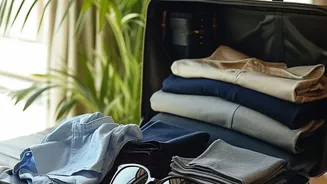
For decades, travellers have debated the best way to pack clothes. The verdict is in for carry-on efficiency: rolling is superior to folding. Rolling your clothes, especially items made from soft fabrics like t-shirts, dresses, and trousers, compresses them into tight, uniform cylinders. This method not only saves a surprising amount of space but also helps to minimise creasing and wrinkles. For more structured items like a blazer or a stiff shirt, a careful fold might be better. However, for the bulk of your holiday wardrobe, rolling each item tightly allows you to fit them together like a puzzle, filling every available inch of your bag.
Embrace the Power of Packing Cubes
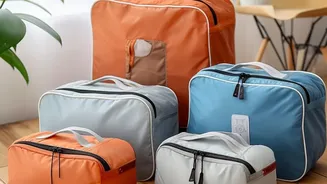
Packing cubes are a traveller’s best friend. These small, zippered fabric containers help you compartmentalise your luggage, making it incredibly easy to find what you need without turning your entire bag upside down. But their real power lies in compression. While standard packing cubes provide excellent organisation, compression packing cubes feature an extra zipper that, when closed, squeezes out excess air, shrinking the cube's volume significantly. Use them for bulkier items like sweaters or jackets. A combination works best: use regular cubes for delicate items you don’t want to crush and compression cubes for everything else. This modular system creates neat, stackable bricks of clothing that maximise space.
Downsize Your Toiletries and Tech
Liquids are heavy and subject to airport restrictions. Your full-size shampoo and moisturiser have no place in a 7kg bag. The solution is to go solid and go small. Switch to solid shampoo bars, conditioner bars, and solid perfume. For any remaining liquids, invest in a set of high-quality, leak-proof travel-sized bottles (100ml or less). Don’t forget that many hotels provide basics, so you may not need to pack them at all. The same logic applies to electronics. Instead of multiple chargers, use a single multi-port USB wall plug that can charge your phone, headphones, and power bank simultaneously. A Kindle or e-reader app replaces heavy books. Every gram saved counts.
Wear Your Weight
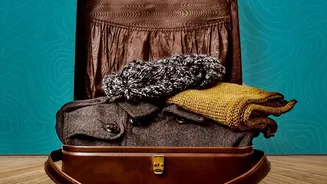
This is the oldest trick in the book for a reason. Your bulkiest items should never be in your suitcase; they should be on your person. This includes your heaviest pair of shoes (like boots or sneakers), your jacket, and any thick sweaters or hoodies. It might feel a bit bulky as you go through security, but you can easily shed the layers once you are on the plane. A lightweight scarf can double as a blanket. By wearing your heaviest clothing, you free up both volume and a significant amount of weight in your carry-on bag, which is often the final step needed to get you under that 7kg limit.