





Why Eating Your Water Matters
While drinking water is crucial, it's not the only source of hydration. Experts estimate that about 20% of our daily water intake comes from the food we eat. This food-based hydration is highly effective because it comes packaged with other essential
nutrients. Fruits and vegetables are not just water; they are also filled with electrolytes like potassium, magnesium, and sodium. These minerals play a vital role in helping your body regulate fluid balance and direct water to where it's needed most. This can sometimes make hydrating foods even more effective than water alone in the short term, especially after exercise when you lose both water and electrolytes through sweat. For those who find it challenging to drink enough water throughout the day, incorporating more of these foods is a smart and flavourful strategy to stay properly hydrated, energised, and healthy.
Cucumber: The Undisputed Champion
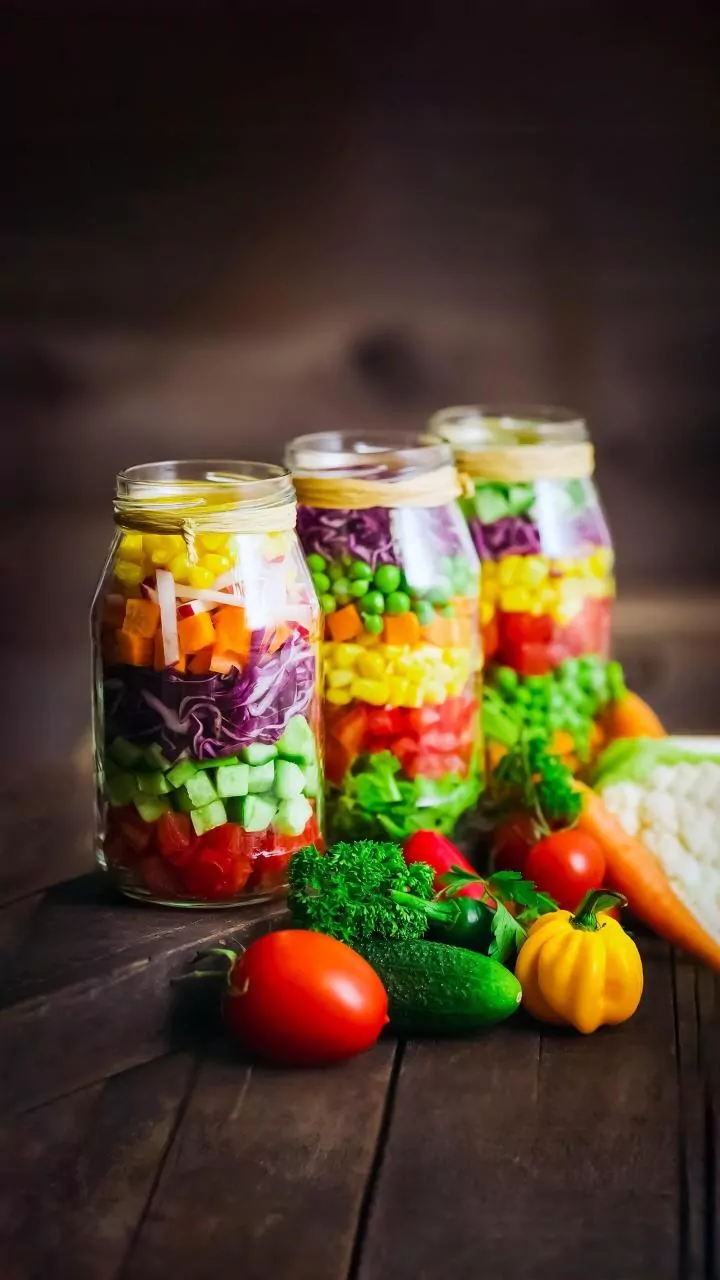
With a water content of around 96%, cucumber is one of the most hydrating foods you can find. This makes it an incredibly refreshing snack, especially during the hot summer months. Beyond its high water content, cucumber also contains small amounts of nutrients like potassium and magnesium. Its crisp texture and mild flavour make it a versatile addition to salads, sandwiches, and infused water. Sliced cucumbers can add a hydrating crunch to any meal, helping you reach your fluid goals without even thinking about it. They are also low in calories, making them a guilt-free way to snack and hydrate simultaneously.
Watermelon: The Quintessential Summer Staple
It’s no surprise that a fruit named watermelon is a hydration superstar. Comprising about 92% water, it’s a sweet and juicy way to quench your thirst. But its benefits don't stop there. Watermelon is also a good source of electrolytes, including potassium, which is important for muscle function and fluid balance. It also contains lycopene, a powerful antioxidant that gives the fruit its red colour and helps protect cells from damage. A slice of watermelon on a hot day is not just a treat; it’s a delicious and effective way to replenish your body's fluid levels.
Strawberries: A Sweet and Juicy Boost
Don’t let their small size fool you; strawberries are packed with water, boasting a content of around 91%. They are a fantastic way to hydrate while satisfying a sweet craving. In addition to water, strawberries provide a healthy dose of fibre, vitamin C, and manganese. Eating them regularly has been linked to various health benefits, including reduced inflammation. You can enjoy them on their own, add them to your morning cereal or yoghurt, or blend them into a refreshing smoothie for a hydrating and nutrient-dense drink.
Lettuce and Leafy Greens: Crisp Hydration
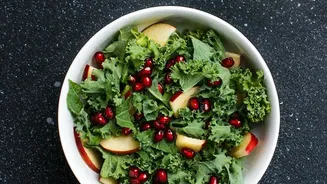
Often the base of a healthy salad, leafy greens are also a fantastic source of water. Iceberg lettuce leads the pack with approximately 96% water, but other varieties like romaine are not far behind at 95%. While darker greens like spinach and kale have slightly less water (around 90-92%), they offer more nutrients like iron and calcium. Building a large salad for lunch is an excellent strategy to significantly increase your fluid intake for the day while also getting a healthy serving of vitamins and fibre.
Yoghurt and Curd: The Creamy Quenchers
While fruits and vegetables often steal the spotlight, dairy products like plain yoghurt and curd are also excellent for hydration. Typically composed of 85-88% water, they provide a creamy and satisfying way to boost your fluid levels. What makes them particularly beneficial is their content of electrolytes like calcium and potassium, along with a healthy dose of protein. This combination helps with fluid regulation and muscle function. A bowl of plain curd or a yoghurt-based smoothie can serve as a refreshing and hydrating snack, especially after a workout.
Soups and Broths: Warm and Hydrating
Hydration isn’t limited to cold foods. A warm bowl of soup or broth can be a comforting and highly effective way to increase your water intake. Since their primary ingredient is water or stock, they are inherently hydrating. Broth-based soups filled with vegetables like tomatoes (94% water), celery (95% water), and zucchini (94% water) are particularly effective. They not only replenish fluids but also provide valuable nutrients and electrolytes lost throughout the day. This makes soup a smart meal choice year-round, not just during colder months.