

The Core Concept: Hydrozoning
The secret to a successful, water-wise garden isn't just about choosing drought-tolerant plants; it's about grouping plants with similar water needs together. This practice is called hydrozoning. Instead of scattering plants randomly and watering everything
the same, hydrozoning creates logical 'zones' in your landscape. A thirsty flowering shrub won't be right next to a succulent that needs to stay dry, preventing a situation where one plant is drowning while the other is parched. This strategic grouping makes your watering efforts more efficient, saves water, and ultimately leads to healthier, more resilient plants.
Mapping Your Garden's Water Zones
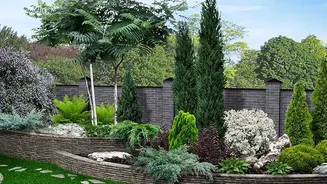
Before you buy a single plant, take a look at your space and sketch a simple map. Think of your garden in three potential zones. The high-water zone, or 'oasis,' is the smallest area, typically near your home's entrance or a patio where you want high-impact beauty. The moderate-water zone is the transitional area, the workhorse of your garden. Finally, the low-water zone consists of the hottest, sunniest, and most remote parts of your yard. Consider factors like sun exposure, slope, and proximity to your water source. Areas near a downspout might naturally support thirstier plants, while a hot, dry strip along the driveway is perfect for the toughest species.
The Oasis Zone: High-Impact, Low-Area
This is where you can enjoy plants that may require more frequent watering, without wasting resources on a massive scale. Think of it as a jewel box in your garden. By grouping these higher-need plants together in a visible, easily accessible spot, you can deliver water efficiently right where it's needed most. This zone is ideal for certain lush perennials, annuals for a pop of colour, or a small, contained vegetable patch. The key is to keep this zone limited in size, concentrating your water use for maximum visual reward.
The Transitional Zone: Moderately Thirsty
This zone forms the backbone of many gardens. It's home to established shrubs, perennials, and grasses that need regular water to get established but become quite self-sufficient afterward, only needing a drink during prolonged dry spells. This is where you might plant things like lavender, salvia, or many ornamental grasses that offer texture and colour without constant attention. Since these plants are grouped together, you can water them deeply but infrequently, which encourages strong, deep root systems that are better able to withstand drought.
The Low-Water Zone: Thriving on Neglect
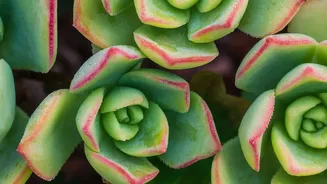
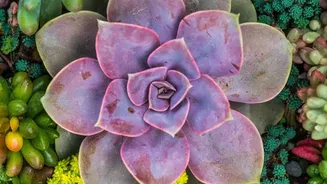
In the farthest or most challenging parts of your garden, embrace plants that are truly adapted to dry conditions. This is the perfect place for many native plants, succulents, and hardy herbs like rosemary and thyme that thrive in full sun and well-drained soil. Once these plants are established, they may require no supplemental water at all, surviving on natural rainfall. Using gravel or stone mulch in this zone can also help keep the soil cool, suppress weeds, and give it a clean, finished look that complements the rugged nature of the plants.
Bringing the Design to Life
With your zones mapped out, you can now create a plant list that aligns with your design. When you visit a nursery, you'll be armed with a plan, looking for plants that fit the specific water requirements of each zone. This approach eliminates guesswork and impulse buys that don't fit your landscape's logic. Start by preparing your soil with organic matter like compost to improve water retention, especially in the oasis and transitional zones. Then, install your plants according to the plan. This thoughtful initial design is the single most important step toward creating a garden that is not only beautiful but also sustainable and low-maintenance for years to come.