





Understanding the Unwanted Guest
Mould is a type of fungus that thrives in damp, warm, and dark environments. Its spores are present almost everywhere, both indoors and outdoors, but they only become a problem when they land on a wet surface inside your home and begin to grow. The key
ingredient for any mould problem is moisture. Without it, mould simply cannot grow. This is why controlling dampness is the number one rule in mould prevention. Beyond being unsightly, mould can gradually destroy the materials it grows on, such as drywall, wood, and fabrics. More importantly, it releases spores into the air that can cause a range of health issues, including allergy-like symptoms such as a stuffy nose, coughing, and itchy eyes, and can worsen conditions like asthma.
Become a Moisture Detective
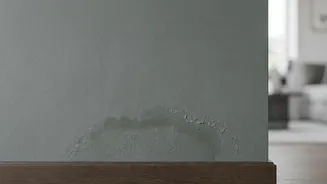
The best way to stop mould is to catch its precursor: moisture. Often, the earliest signs are not the mould itself, but the evidence of a water problem. One of the most common first clues is a persistent musty or damp odour. If a room smells earthy or stale even after cleaning, you may have hidden mould. Other subtle signs include visual changes to your home's surfaces. Look for water stains or discolouration on walls and ceilings, which may appear as yellow or brown patches. Paint that is bubbling, peeling, or cracking is another red flag, indicating moisture is trapped behind the finish. An unexplained spike in your water bill can also point to a hidden plumbing leak that is feeding mould growth somewhere out of sight.
Identify Common Trouble Spots
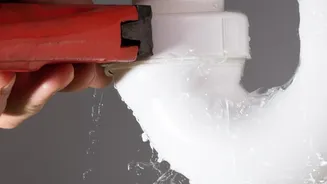
Mould can grow anywhere, but certain areas of the home are particularly vulnerable due to high humidity and the presence of plumbing. Bathrooms are a primary suspect, with steam from hot showers creating the perfect environment for mould on tiles, grout, and shower curtains. Kitchens are another hotspot, where steam from cooking can lead to problems if not properly ventilated. Always check under sinks for slow drips or minor leaks. Basements and crawl spaces are naturally prone to dampness and poor airflow, making them ideal breeding grounds. You should also regularly inspect window frames for condensation and the area around air conditioning units. Even an overfilled wardrobe pushed against a wall can trap moisture and restrict airflow, inviting mould.
Your Proactive Maintenance Checklist
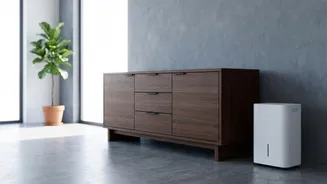
Preventing mould is far easier and cheaper than removing it. The key is to control moisture. Start by improving ventilation throughout your home. Use exhaust fans in kitchens and bathrooms to vent steam outside, and open windows when possible to encourage air circulation. Aim to keep your home's indoor humidity below 60%, ideally between 30-50%. A dehumidifier can be very effective in naturally damp areas like basements. Promptly fix any leaks, no matter how small, from roofs or plumbing. Even minor drips can sustain a mould colony. Be sure to dry any spills or wet areas within 24 to 48 hours to prevent mould from taking hold. Regularly clean and repair roof gutters to ensure water drains away from your home's foundation.
When to Clean and When to Call a Pro
If you find a small patch of mould, you can often handle it yourself. For small areas (less than about a three-by-three-foot patch), a solution of soap and water is often sufficient for cleaning non-porous surfaces. It's crucial to wear protective gear like gloves and a mask to avoid inhaling spores. However, if the mould problem is widespread, covers a large area, or comes back after cleaning, it likely indicates a larger, underlying moisture issue that needs professional attention. If you suspect mould is growing inside your walls or within your HVAC system, it is best to call a professional for inspection and remediation to ensure the problem is fully and safely resolved.