

More Than Just Sweetness
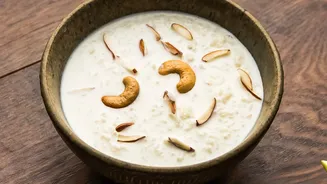
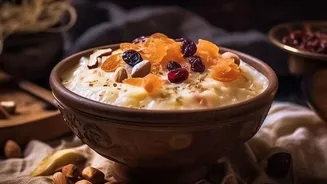
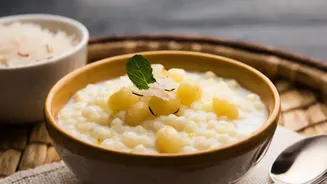
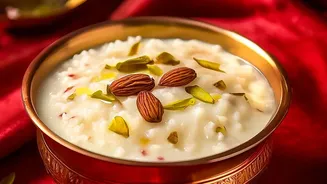
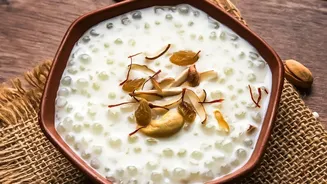
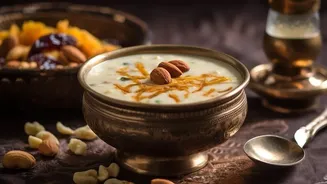
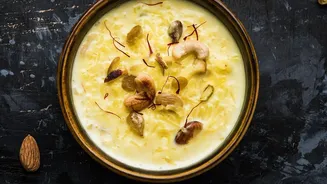
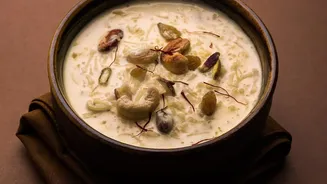
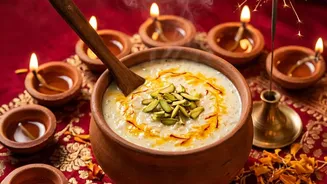
When we think of kheer, we typically imagine a creamy rice pudding made with milk, sugar, and fragrant spices. Sugarcane kheer, known in various regions as 'Rasawal' or 'Roh di Kheer', turns this idea on its head. Instead of using processed sugar, this dessert
gets its character directly from fresh sugarcane juice ('ganne ka ras'). The rice is slow-cooked in the juice itself, absorbing its complex, natural sweetness. This isn't just a simple swap of ingredients; it's a fundamental change that results in a kheer with a deeper, more rustic, and earthy flavour profile that is distinctly different from its milky counterpart. The taste is less about pure sweetness and more about the wholesome, grassy notes of the sugarcane plant, often with caramel undertones that develop during the slow cooking process.
A Celebration of the Harvest
This unique kheer is deeply rooted in India's agricultural heritage, particularly in sugarcane-growing regions like Punjab, Uttar Pradesh, and Bihar. It is a seasonal delicacy, traditionally prepared during the winter harvest festivals of Lohri and Makar Sankranti. There's a popular saying in Punjab, 'Poh ridhi, Magh khadi', which means the kheer is cooked on the last night of the month of 'Poh' (Lohri) and eaten cold the next morning to celebrate 'Magh' (Makar Sankranti). This tradition connects the dish directly to the cycles of nature, transforming the freshly harvested sugarcane into a communal offering of gratitude and celebration. It’s a dish that symbolizes prosperity and the sweet rewards of the land.
The Art of Slow Cooking
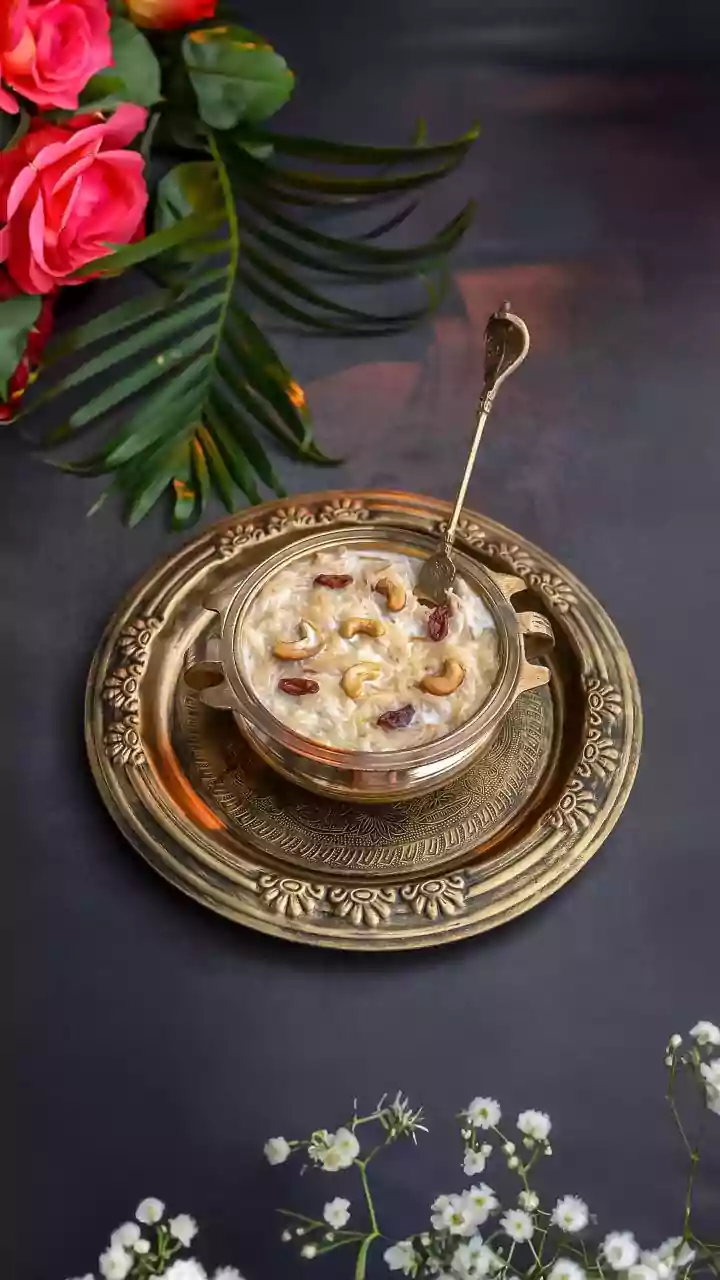
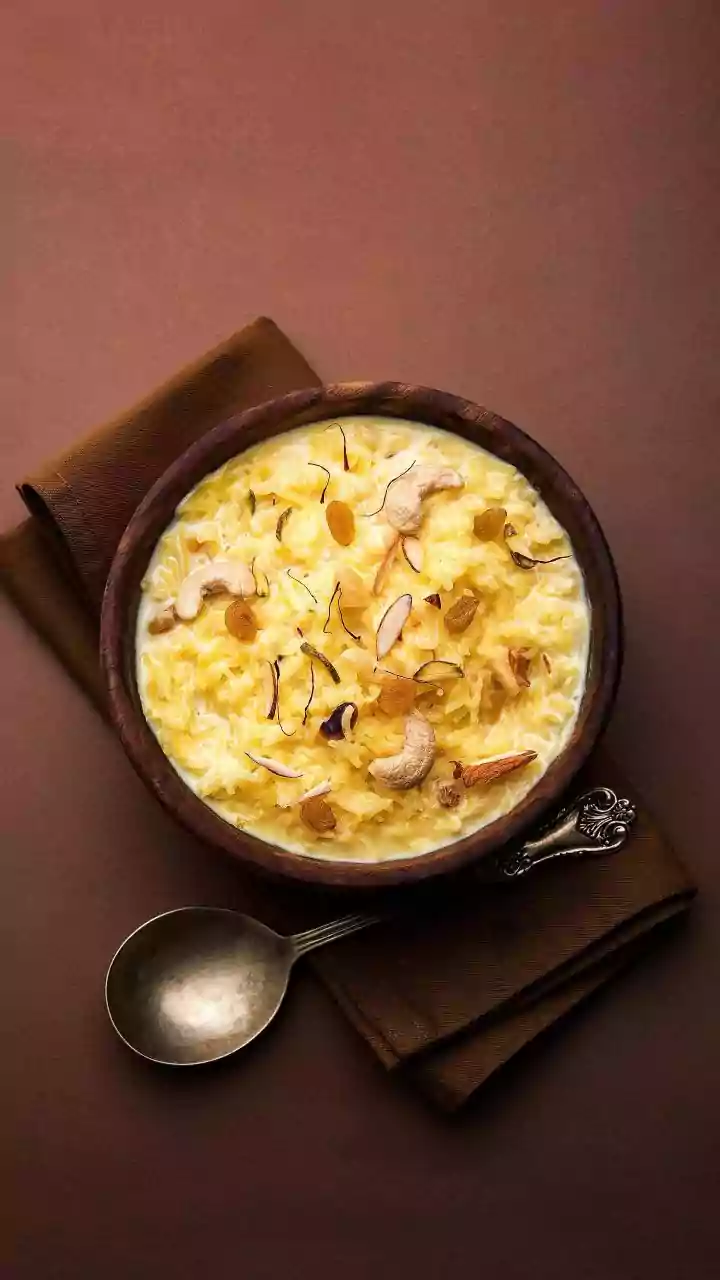
Making sugarcane kheer is a labour of love that requires patience. The process begins with boiling fresh sugarcane juice. As it heats, impurities rise to the surface as a scum, which is carefully skimmed off to ensure a cleaner taste and lighter colour. Some traditional methods even involve adding a little milk during this stage to help draw out the impurities. Once the juice is clarified, soaked rice is added and the mixture is left to simmer on a low flame for hours. This slow cooking is crucial; it allows the rice to become tender and the juice to reduce and thicken, concentrating its flavours into a luscious, velvety pudding. While traditional recipes are often minimalist, using just rice and juice, many families add their own touches like crushed cardamom, roasted peanuts, or a handful of chopped nuts like almonds and cashews towards the end.
A Taste of Timeless Tradition
In a world of instant mixes and refined sugars, sugarcane kheer stands out as a testament to simpler, more natural culinary practices. It’s a dish that avoids processed sweeteners entirely, relying on the unadulterated sweetness of the cane. While most kheer is defined by its creaminess from milk, traditional 'Roh di Kheer' in Punjab often contains no milk at all, making it a naturally vegan dessert. Its preparation on wood or coal fires in rural settings further adds to its rustic charm. For those who have grown up with it, a bowl of Rasawal is more than just a dessert; it's a taste of home, a connection to their roots, and a reminder of festive gatherings where the entire community would come together to stir the large pot.