



Why Timing Is Everything
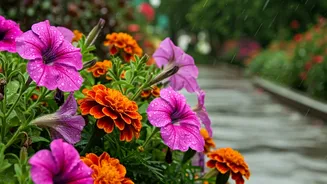
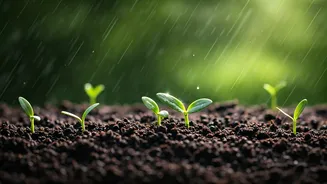
Planting just before a spell of rain is a gardener’s secret weapon. The impending shower acts as a natural irrigation system, providing deep, consistent moisture that is far more effective than a watering can. This helps seeds germinate faster and reduces
transplant shock for young saplings, allowing their roots to settle into the softened soil with minimal stress. The rainwater is also slightly acidic and nitrogen-rich, which plants love. By timing your planting correctly, you save water, reduce labour, and give your garden the most powerful head start possible for the growing season.
1. Marigold (Genda)
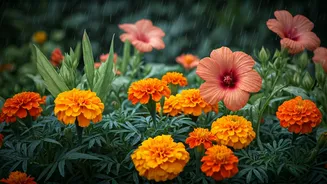
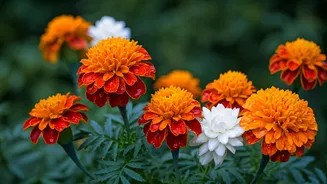
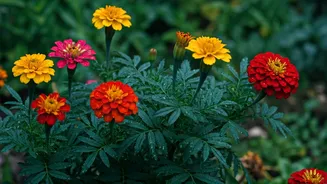
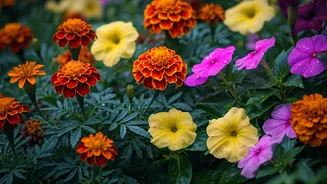
Cheerful, hardy, and a staple in Indian households, the marigold is a perfect pre-monsoon candidate. These vibrant flowers are incredibly resilient and thrive in the moist, humid conditions that follow a good shower. Sowing seeds or planting saplings just before the rain helps them establish strong roots quickly. As an added bonus, marigolds act as a natural pest repellent, protecting other, more delicate plants in your garden. By the time the festival season rolls around, you’ll have a bounty of bright orange and yellow flowers ready for offerings and decoration.
2. Hibiscus (Gudhal)
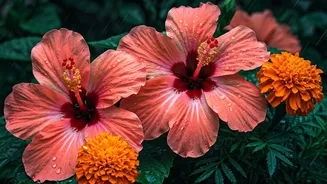
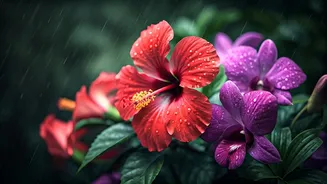
Known for its large, showy blooms, the hibiscus is a beloved fixture in Indian gardens. The monsoon is its prime growing period, and giving it an early start is key. If you are planting a sapling or a cutting from an existing plant, doing so before the rain is ideal. The sustained moisture helps a new cutting develop roots far more effectively and minimizes the stress on a young plant adjusting to its new home. Ensure your pot or garden bed has excellent drainage, as hibiscus loves moisture but hates waterlogged soil.
3. Holy Basil (Tulsi)
No Indian garden feels complete without a Tulsi plant. Revered for its medicinal and spiritual significance, it's also a wonderfully aromatic herb to have around. Sowing Tulsi seeds right before a light to medium shower provides the perfect environment for germination. The consistent moisture helps the seeds sprout and encourages the plant to grow into a healthy, bushy form. It’s best to use a well-draining soil mix, typically a combination of garden soil, compost, and sand or cocopeat, to prevent its roots from rotting during heavier rains.
4. Chilli (Mirchi)
For those who like to add a little spice to their food, growing your own chillies is incredibly rewarding. Chilli plants flourish in the warmth and humidity that characterises the Indian monsoon. Whether you’re sowing seeds directly or transplanting seedlings from a nursery, doing it before a rain shower will give them the initial hydration boost needed for vigorous growth. They are relatively low-maintenance, and in just a couple of months, you’ll be able to harvest fresh, potent chillies right from your balcony or garden.
5. Okra (Bhindi)
If you have a bit more space, consider planting a popular monsoon vegetable like okra, or bhindi. The seeds have a tough outer coating that can slow down germination. A great trick is to soak them overnight and then plant them just before it rains. The combination of soaking and the natural downpour softens the seed coat, leading to much quicker sprouting. Okra plants grow surprisingly fast in the rainy season, and the satisfaction of cooking a meal with vegetables you’ve grown yourself is unmatched.