





Beyond the Checklist: What is Experiential Travel?
For many, the idea of a holiday is built around a checklist: see the famous museum, snap a picture with the monument, eat at the well-known restaurant. This is traditional tourism, a model focused on observation. Experiential travel, however, flips the script.
It is a travel philosophy that prioritises active participation over passive sightseeing. It is the difference between seeing a vineyard and taking part in the harvest; between eating a local dish and learning to cook it with a family; between visiting a temple and understanding its daily rituals from a local guide. This approach, often called 'slow' or 'immersive' travel, encourages you to connect with a place on a deeper level, engaging with its culture, environment, and people rather than just skimming the surface. The goal is no longer to 'see' as much as possible, but to 'feel' and 'understand' a place in a way that leaves a lasting mark.
The Science of Unforgettable Moments
Why do the memories from an immersive trip feel so much more vivid and significant? The answer lies in how our brains create and store memories. Routine experiences are often compressed by the brain, fading into a generic blur. In contrast, travel that involves novelty, strong emotions, and multiple senses forces our brain to pay close attention. Neuroscientists call this the 'novelty effect'; unfamiliar environments trigger the release of chemicals that signal to our memory centres: 'This is important. Record this'. A quick, predictable tour of a crowded hotspot often lacks this deep engagement. You might remember the sight, but the memory is thin. An experiential trip, full of new tastes, sounds, conversations, and even small challenges, creates thick, multi-layered episodic memories. These are the kind of memories that feel like you're reliving the moment, not just recalling a fact. This is why you might forget the details of five cities visited in a week but can perfectly recall the feeling of navigating a bustling market in one.
From Spectator to Protagonist
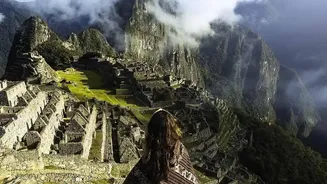
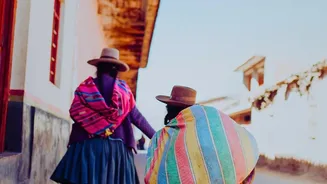
Making a holiday experiential is about shifting your role from a mere spectator to the protagonist of your own adventure. Instead of a packed itinerary of photo opportunities, you build a trip around meaningful activities. In Japan, this could mean forgoing a bullet train tour to instead participate in a traditional tea ceremony or stay in a 'ryokan' to understand the local customs. In Italy, it might involve skipping a crowded city square to take a cooking class in a Tuscan farmhouse. Even trips to popular destinations can be transformed. A visit to Peru can become more profound by focusing on community-based tourism that goes beyond just Machu Picchu, allowing for a deeper understanding of its history and people. These activities turn a simple vacation into a story of personal growth and connection. They create memories that are not just visually pleasing but are also emotionally resonant and tied to a sense of accomplishment.
Trading a Full Itinerary for a Full Heart
The pressure to 'do it all' on a trip often leads to travel burnout, leaving you more exhausted than when you left. Experiential travel embraces the opposite: quality over quantity. By choosing to stay longer in one place, you reduce your carbon footprint and also give yourself the gift of time. This 'slow travel' approach allows for spontaneity and discovery. You have the flexibility to wander through a neighborhood you find interesting, accept an invitation from a local you meet, or simply sit at a cafe and absorb the rhythm of daily life. This unhurried pace reduces the stress associated with tight schedules and constant movement, fostering a sense of mindfulness and genuine enjoyment. It allows you to move beyond the curated tourist routes and discover the hidden gems and authentic moments that are often missed in the rush.
How to Plan a More Meaningful Holiday
Planning an experience-driven trip starts with a shift in mindset. Instead of asking 'What do I want to see?', ask 'How do I want to feel?' or 'What do I want to learn?'. Begin by choosing a core theme for your trip, such as food, nature, or art. Research and book one or two deep activities, like a workshop with a local artisan or a guided nature walk, and plan your trip around them. Leave large blocks of your itinerary open for exploration and rest. Consider staying in a local guesthouse or apartment instead of a large chain hotel to better immerse yourself in the local culture. Learning a few phrases in the local language and understanding basic etiquette can also open doors to more genuine interactions. The key is to build a flexible framework that invites connection rather than a rigid schedule that prevents it.