

A Sweet Revolution at Home
Move over, standard-issue laddoos and barfis. A new wave of culinary creativity is sweeping across India, and it’s not happening in five-star hotel kitchens or gourmet bakeries, but right at home. Indian home cooks, armed with global inspiration and a desire
for novelty, are transforming the festive dessert landscape. They are skillfully blending the nostalgia of traditional Indian sweets with the techniques and formats of Western desserts, creating a thrilling intersection of old and new. This trend isn’t about replacing the classics but reimagining them for a modern palate that is both deeply traditional and open to global influences.
When Cheesecake Met Gulab Jamun
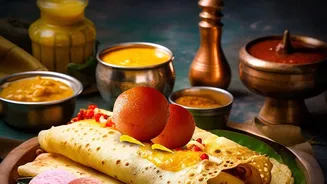
Perhaps the most famous ambassador of this trend is the Gulab Jamun Cheesecake. This showstopper dessert sees soft, syrupy gulab jamuns nestled within a creamy, rich cheesecake filling, often set on a crunchy digestive biscuit crust. The result is a perfect marriage of textures and tastes—the familiar, comforting sweetness of the gulab jamun cutting through the tangy cream cheese. This single creation embodies the entire movement: taking a beloved Indian sweet and giving it an international makeover that feels both surprising and perfectly logical. Variations like Rasmalai Tres Leches, where the delicate flavours of rasmalai meet the milky soak of the classic Latin American cake, follow a similar, successful formula.
Global Desserts, Desi Heart
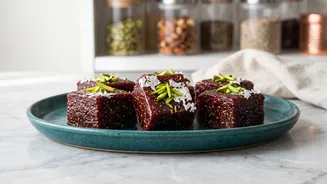
The fusion trend is a two-way street. While Indian sweets are being incorporated into Western formats, global desserts are also getting a desi twist. Imagine an Italian panna cotta, but infused with the fragrant, nutty flavours of thandai or the golden warmth of saffron. Or consider a classic tiramisu, where coffee-soaked ladyfingers are replaced with biscuits dipped in cardamom-laced rasmalai milk. These creations maintain the soul of the original Indian flavour profile but present it in a new and elegant form. From Chocolate Barfi and Paan Ladoos to Motichoor Ladoo Parfaits and even Gajar Halwa Spring Rolls, the possibilities appear endless.
The Social Media Catalyst
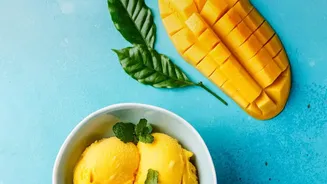
This creative explosion is being fuelled by social media platforms like Instagram and YouTube. Home cooks and food bloggers are sharing their visually stunning creations, from layered trifle jars to elaborately decorated cakes. A picture of a perfectly sliced Rasmalai Cake or a vibrant Mango Mousse can go viral, inspiring countless others to try their hand at making it. These platforms have become digital cookbooks and visual feasts, where trends spread rapidly and home cooks can become overnight influencers. The visual appeal of these fusion desserts—often adorned with rose petals, pistachios, and gold leaf—makes them perfect for an Instagram feed, further accelerating their popularity.
More Than a Passing Fad
While it might be easy to dismiss this as just another food trend, it represents something deeper. This culinary experimentation reflects a modern Indian identity: confident, globally aware, yet proudly connected to its roots. It’s a way of saying that our traditions are not static relics but are living, breathing things that can evolve and adapt. These desserts satisfy a craving for both nostalgia and novelty, offering the comfort of familiar tastes in a format that feels fresh and exciting. They are conversation starters at festive gatherings, bridging generations by offering something that both elders and youngsters can appreciate.