






The Magic of Millets
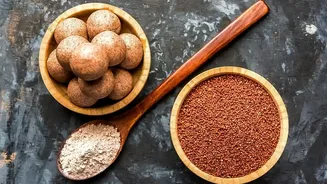
For generations, millets like jowar (sorghum), bajra (pearl millet), and ragi (finger millet) were staples across India. Today, they're making a comeback, and for good reason. These ancient grains are nutritional powerhouses, packed with dietary fiber,
protein, and essential minerals like iron and magnesium. Their high fiber content is great for digestion, helps manage blood sugar levels, and keeps you feeling full for longer. Plus, they are naturally gluten-free, making them a fantastic alternative to wheat for those with sensitivities. Embracing millets means you're not just eating healthier; you're reconnecting with a wise culinary tradition.
Hack 1: The Hot Water Trick for Rotis
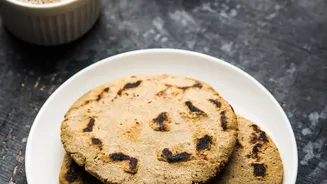
The number one secret to soft, pliable millet rotis is using hot water to knead the dough. Unlike wheat, millet flours have no gluten to create elasticity. Hot water helps to soften the starches in the flour, making the dough more flexible and less prone to cracking. Simply bring your water to a near boil, then slowly add it to your jowar or bajra flour, mixing with a spoon until it's cool enough to handle. Then, knead it while the dough is still warm for a smooth, manageable texture. This single step is a game-changer that turns crumbly bhakri into a soft, foldable flatbread.
Hack 2: Find a Binding Partner
Because they lack gluten, millet flours often need a little help to hold together. While hot water does most of the work for rotis, sometimes an extra binding agent is useful, especially for beginners. Adding a small amount of whole wheat atta (if you're not strictly gluten-free) can provide the necessary structure. For a gluten-free option, a tablespoon of powdered flaxseed or psyllium husk (isabgol) mixed with water to form a gel works wonders. Another traditional hack is to add a bit of mashed potato or sweet potato to the dough. The starchiness helps bind the flour and adds a touch of softness.
Simple High-Fiber Roti Framework
Ready to try? Here’s a basic formula. For four rotis, take one cup of jowar or bajra flour and a pinch of salt. Slowly add about three-quarters of a cup of very hot water, mixing until a soft dough forms. Knead for 3-4 minutes while warm. Divide the dough, roll each portion into a smooth ball, and then gently pat it out with your hands or roll it between two sheets of parchment paper to your desired thickness. Cook on a medium-hot tawa for about a minute per side. Pressing gently with a cloth can help it puff up. Stack the cooked rotis and cover them with a cloth to keep them soft.
Hack 3: Don’t Skimp on Fat for Cookies
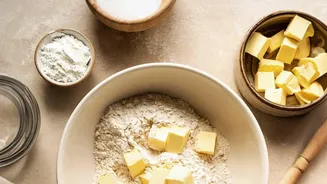
When it comes to millet cookies, fat is your friend. Ingredients like ghee, butter, or even coconut oil are essential for achieving a good texture. Fat coats the flour particles, preventing the cookies from becoming too dry and hard. It’s what gives them that desirable melt-in-the-mouth quality. Many recipes call for creaming softened butter or ghee with a sweetener like jaggery powder before adding the dry ingredients. This process incorporates air and ensures the fat is evenly distributed, leading to a tender, crumbly cookie rather than a dense, heavy biscuit.
Hack 4: Perfect Pairings for Better Flavor
Some millets have a distinct, earthy flavor that might take getting used to. The trick is to pair them with complementary ingredients. Ragi, for instance, has a deep flavor that pairs beautifully with chocolate or cocoa powder. Bajra has a nutty profile that works well with cardamom and jaggery. Adding other flavorful elements like powdered nuts (especially almonds), vanilla, or cinnamon can also enhance the overall taste and make your millet cookies irresistible. Don't be afraid to experiment with these combinations to find what your family loves.
Simple Millet Cookie Framework
Here is a basic template for delicious ragi cookies. In a bowl, cream together ¼ cup of softened butter or ghee and ¼ cup of powdered jaggery. In a separate bowl, mix 1 cup of ragi flour with ½ teaspoon of baking powder and a pinch of cardamom powder. Combine the wet and dry ingredients, adding a tablespoon or two of milk if the dough feels too dry, until you can form a soft dough. For extra indulgence, fold in some chocolate chips. Shape into small cookies, place them on a baking tray, and bake in a preheated oven at 170-180°C for 12-15 minutes, or until the edges are firm. Let them cool completely before enjoying.