
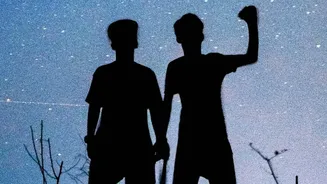
A Perfect Night for Shooting Stars
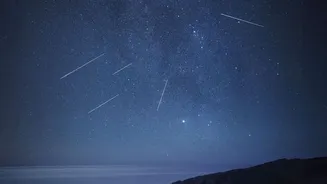
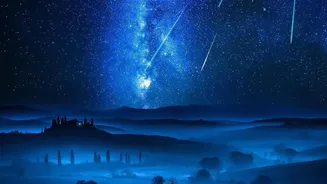
The Perseid meteor shower, active from mid-July to late August, is set to reach its peak on the night of August 12-13, 2026. This annual event occurs when Earth passes through the trail of dusty debris left behind by Comet Swift-Tuttle. As these sand-grain-sized
particles enter our atmosphere at incredible speeds—around 59 km per second—they burn up, creating the fiery trails we call shooting stars. What makes tonight particularly special is the new moon. With no bright moonlight to wash out the sky, even the fainter meteors will be visible, making for ideal viewing conditions. Under a perfectly dark sky, observers could potentially see between 50 and 100 meteors per hour.
The City's Glare: A Natural Dimmer Switch
In urban and suburban areas, the biggest obstacle to enjoying this celestial show is light pollution. This widespread glow from streetlights, buildings, and cars creates a bright atmospheric haze that dramatically reduces the contrast of the night sky. It's like trying to spot a firefly next to a floodlight; the faint light of the meteor is simply overpowered. Most of the meteors in any shower are faint, and a light-polluted sky can easily reduce the number of visible meteors by more than half. While you might catch the brightest fireballs from a city balcony, you will miss the sheer frequency and magic of the fainter streaks that fill the sky in a truly dark location.
Unlocking Your Night Vision
One of the key reasons a rural location is superior is that it allows your eyes to become fully dark-adapted. This is a natural process where your pupils widen and your eyes produce a pigment called rhodopsin, greatly increasing your sensitivity to low light. This adaptation process can take 20 to 30 minutes. In a city, ambient light prevents your eyes from ever reaching this peak sensitivity. Even a quick glance at a bright phone screen can reset your night vision, forcing you to start the process all over again. By finding a spot far from artificial lights and committing to a screen-free half-hour, you are essentially upgrading your eyes with a natural superpower for spotting shooting stars.
Cleaner Air for a Clearer View
Beyond just the glare of city lights, the air itself can play a role. Urban environments often have higher concentrations of aerosols—tiny particles of dust, soot, and other pollutants in the atmosphere. These particles scatter artificial light, amplifying the effect of skyglow and making the haze even worse. Rural areas typically boast cleaner, less turbulent air, providing a clearer window to the stars. With less dust and pollution to obscure the view, the sky appears darker and the contrast sharper, allowing the brilliant, fleeting trails of the Perseids to stand out in all their glory.
Your Guide to the Perfect Viewing Experience
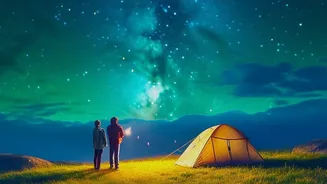
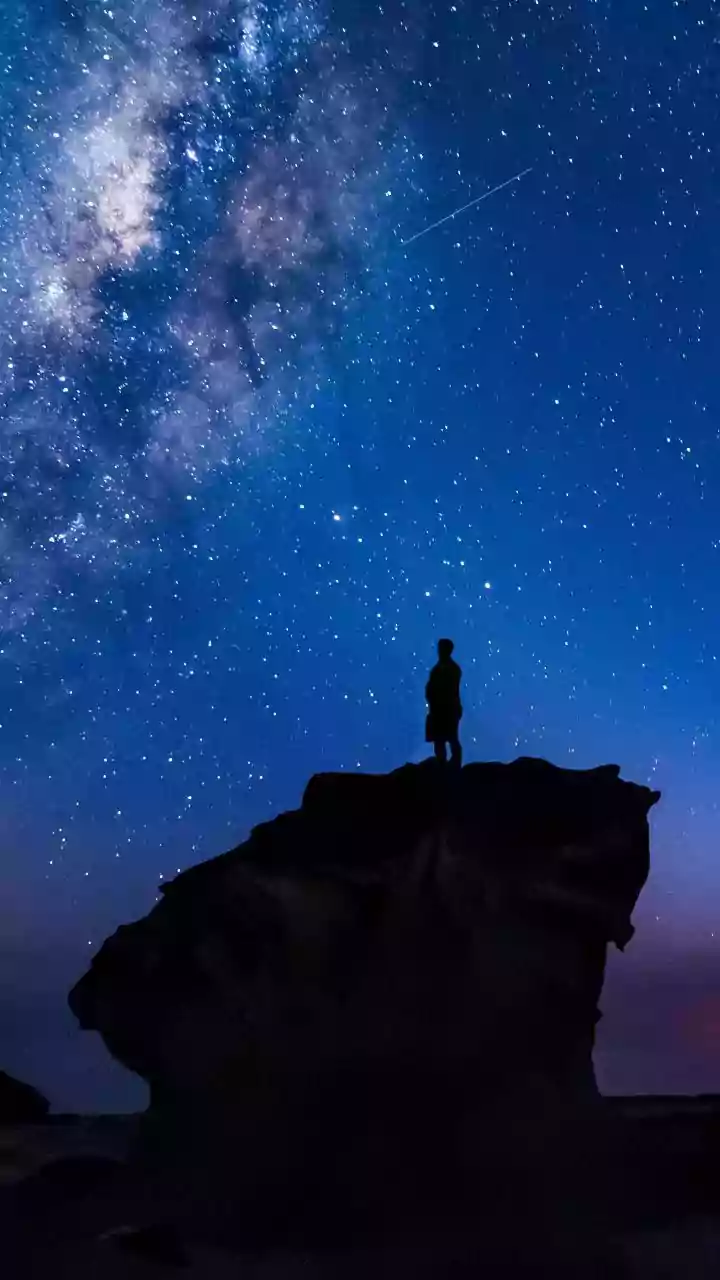
To make the most of tonight's shower, you don't need a telescope or binoculars—in fact, your bare eyes are best for taking in the wide expanse of the sky. For viewers in India, the best time to watch will be in the hours after midnight, from around 2:00 AM to 4:30 AM IST on August 13, before the first light of dawn begins to appear. Find a safe spot with a wide, open view, far from city and street lights. Lie back on a blanket or reclining chair, look generally toward the darkest part of the sky, and be patient. Meteors appear in sporadic bursts, so give yourself at least an hour of viewing time. The show is well worth the wait.