





The Twin Risks of a Single Exchange
Converting your entire travel fund into foreign cash at once exposes you to two significant risks. The first is financial. Currency exchange rates fluctuate daily, and by converting everything at a single point in time, you're gambling on that day's rate being
the best you can get. If the rate improves during your trip, you've lost potential savings. The second risk is security. Carrying a large amount of cash makes you a target for theft and loss. A misplaced wallet or a moment of distraction could see your entire holiday budget disappear, a disaster that is hard to recover from while overseas.
A Smarter Way: Diversify Your Travel Funds
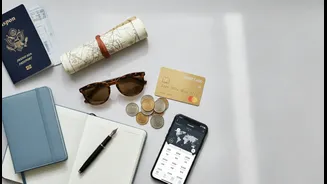
The most prudent approach to travel money is diversification. Instead of relying on a single method, smart travellers use a combination of payment options. This multi-pronged strategy ensures you have flexibility, security, and access to favourable rates. The ideal mix includes a small amount of local cash, a reliable credit or debit card, and a prepaid forex card. This way, you’re not left stranded if one payment method is lost, stolen, or not accepted.
Cash: Essential for Immediate Needs
While you shouldn't carry your whole budget in cash, having some local currency on arrival is crucial. It’s perfect for immediate expenses like a taxi from the airport, a quick snack, or small purchases at markets where cards may not be accepted. Aim to get just enough for your first 24-48 hours. You can either order a small amount from your bank before you leave or withdraw it from a reputable bank's ATM at the airport upon arrival. Avoid airport exchange counters for large sums, as their rates are notoriously poor.
Cards: The Modern Traveller's Primary Tool
For most of your spending, credit and debit cards are the most convenient and secure option. Before you travel, check with your bank about foreign transaction fees; many cards designed for travel offer zero or low fees, which can result in significant savings. When paying with your card, you may be presented with a choice to pay in your home currency (e.g., Indian Rupees) or the local currency. Always choose the local currency. Opting to pay in your home currency activates a service called Dynamic Currency Conversion (DCC), which often comes with an unfavourable exchange rate and hidden markups set by the merchant's bank, making your purchase more expensive.
Forex Cards: A Popular and Prudent Choice
Prepaid forex cards are an excellent tool for Indian travellers. These cards allow you to load a specific amount of foreign currency before your trip, effectively locking in the exchange rate at that moment. This protects you from negative currency fluctuations while you're away. Many modern forex cards support multiple currencies, making them ideal for trips spanning several countries. They function like a debit card for purchases and ATM withdrawals, and since they are prepaid, they help you stick to a budget. If lost or stolen, they can be quickly blocked, offering more security than cash.
Simple Habits for Smart Currency Management
A few simple habits can make a big difference. Before your trip, track the exchange rates to get a sense of what a good rate looks like. Inform your bank of your travel dates to prevent your cards from being blocked for suspicious activity. When using ATMs abroad, try to stick to machines affiliated with major banks, as they are generally safer and may offer better rates than independent ATMs. Finally, always keep receipts for your transactions; they can be invaluable if you need to dispute a charge.