



The Persistent Threat to India's Wine Capital
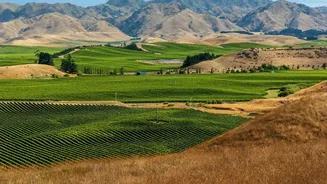
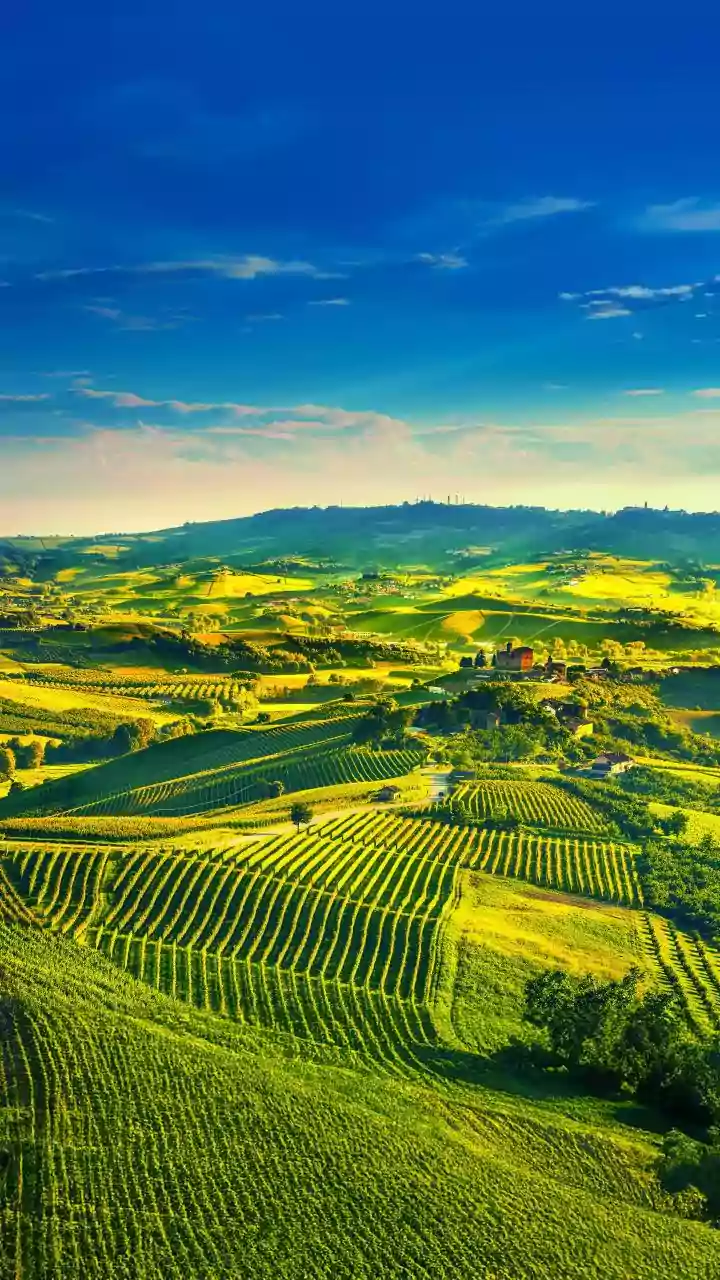
Nashik is to Indian wine what Darjeeling is to tea. The region produces around 80% of the country's wine, with the industry having an estimated turnover of over ₹1,000 crore. But this success is perennially threatened by downy mildew, a disease caused
by a fungus-like organism that thrives in warm, humid conditions. It attacks leaves, shoots, and, most critically, the grape clusters themselves. An outbreak can spread with alarming speed, causing yield losses of up to 80% and severely impacting the quality of the surviving grapes. For decades, farmers have relied on manual inspections and preventative, widespread spraying of fungicides, a costly, labour-intensive process that often comes too late and carries environmental concerns.
An Eye in the Sky: How Drones Change the Game
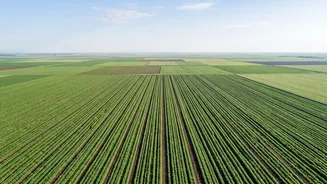
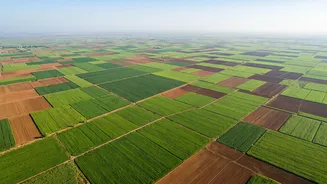
Imagine being able to inspect every single vine across hundreds of acres in just a few hours. This is the first advantage that agricultural drones bring to Nashik's vineyards. Instead of relying on manual scouting, which is slow and often misses the earliest signs of disease, farmers can deploy drones to systematically survey their fields. A drone can cover an acre in as little as 5-10 minutes, a task that would take a person hours. This rapid coverage is not just about saving time; it's about generating a comprehensive, real-time map of the entire vineyard, something that was previously impossible. This frequent and detailed monitoring allows for a much quicker response to any potential issue, forming the foundation of what is known as precision agriculture.
The 'AI' in Imaging: Seeing the Unseen
The true revolution, however, is not just the drone but the intelligence it carries. These are not standard cameras; they are equipped with advanced multispectral sensors. These sensors capture light beyond the visible spectrum, picking up subtle changes in how light reflects off a plant's leaves. A healthy plant and a stressed plant look different in these invisible wavelengths long before any symptoms like yellow spots or white fuzz become visible to the naked eye. This is where Artificial Intelligence comes in. The data from the multispectral camera is fed into a machine learning model. This 'AI brain' has been trained on thousands of images to recognise the unique spectral signature of a plant infected with downy mildew. It can differentiate a healthy vine from one that is in the very early stages of infection, creating a precise map of problem hotspots.
From Data to Action: Precision Farming in Practice
Once the AI identifies the specific areas under threat, the response can be targeted with surgical precision. Instead of blanket-spraying an entire vineyard, farmers can use the drone's data to apply fungicides only to the identified infected or at-risk zones. This has multiple, significant benefits. Firstly, it drastically reduces the amount of chemicals used, with some reports showing a reduction of 30-40%. This not only saves farmers significant money on input costs but also minimises the environmental impact of chemical runoff. Secondly, this targeted approach leads to healthier crops and better yields, as healthy sections of the vineyard are not unnecessarily exposed to chemicals. This data-driven strategy transforms farming from a reactive process to a proactive one, safeguarding both the crop and the farmer's bottom line.
The Road Ahead for Nashik's Farmers
The adoption of AI-driven drone technology is still in its early stages but holds immense promise for Nashik. The initial cost of drones, which can range from ₹3 lakh to ₹10 lakh, can be a barrier for small farmers. However, government subsidies and the rise of 'Drone-as-a-Service' (DaaS) models are making the technology more accessible. With DaaS, farmers can rent drone services on a per-acre basis without the large capital investment. As this technology becomes more widespread, it promises not just to protect Nashik's vineyards from diseases like downy mildew, but to usher in a new era of sustainable, efficient, and highly productive agriculture, securing the future of India's celebrated wine country.