


From Halwai to Hangout
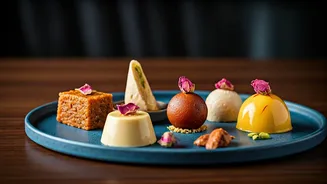
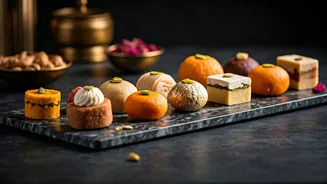
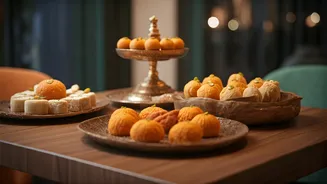
The corner mithai shop, often a bustling, transactional space, is being reimagined. In its place, a new kind of establishment is emerging: the mithai cafe. [22] Picture this: minimalist interiors, comfortable seating, artisanal coffee, and a display of sweets
that look more like jewels in a case. [2] Brands like Gur Chini in Delhi and Bombay Sweet Shop in Mumbai are pioneering this shift, creating spaces where you can linger over a kaju katli and a cappuccino. [2, 17] This isn’t just about selling sweets; it's about curating an experience. It transforms mithai from a quick festival purchase into a modern indulgence, a reason to meet friends and spend time, much like the cafe culture that has swept urban India.
A Recipe for Reinvention
What’s driving this change? A confluence of factors. A new generation of consumers, exposed to global culinary trends, is seeking more refined and contemporary experiences. [18] They desire the nostalgic comfort of traditional mithai but with a modern sensibility. [3, 18] This includes a preference for higher quality, ethically sourced ingredients, less sugar, and more complex flavour profiles. [6, 7] Artisanal brands are responding to this by focusing on small-batch production, premium ingredients, and a deeper attention to craft. [3] It’s a move away from mass-produced sweets towards what can be described as 'gourmet mithai', a category that feels both familiar and refreshingly new. [3, 24]
The New School of Mithai Makers
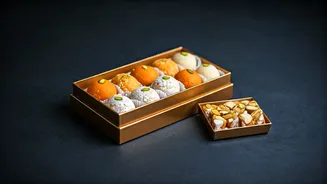
At the forefront of this movement are chef-led brands and new-age entrepreneurs who are looking at mithai not as a static tradition, but as a canvas for innovation. [21] Delhi-based Arq, founded by chefs Neha Lakhani and Ashay Dhopatkar, combines Lakhani's pastry background with Dhopatkar's experience in Michelin-starred kitchens to create artisanal sweets with unique flavour pairings. [7] Similarly, Bombay Sweet Shop, from the team behind acclaimed restaurants The Bombay Canteen and O Pedro, brings a playful, creative energy to mithai, reimagining classics for a modern palate. [8, 9] These brands and others like them are not just changing recipes; they are building a new narrative around Indian sweets, supported by sophisticated branding and beautiful, eco-friendly packaging. [6, 8]
Not Your Grandfather's Ladoo
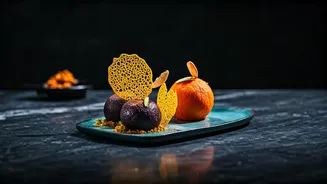
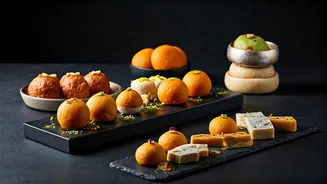
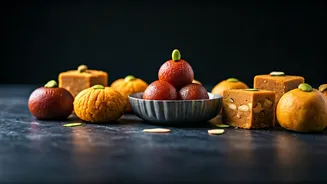
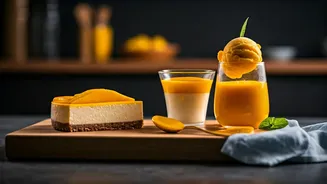
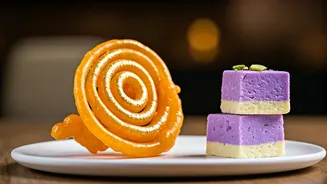
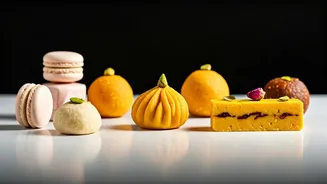
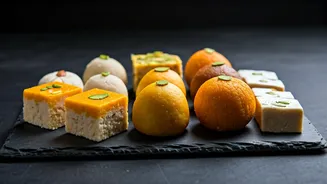
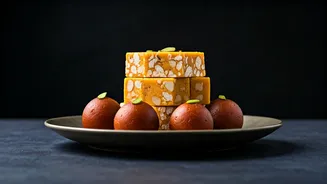
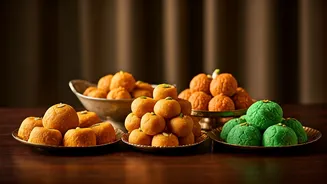
The mithai itself is undergoing a transformation. While classics like motichoor ladoo and barfi remain staples, they are being presented in new and exciting forms. [13, 14] We're seeing flavour infusions that would have been unthinkable a decade ago: Belgian chocolate with besan, lavender with kaju, and coffee with barfi. [3, 19, 23] Formats are also evolving, with mithai-inspired cakes, cheesecakes, and truffles becoming increasingly popular. [26, 27] For instance, you might find a Gulab Jamun Cheesecake or a Rasmalai Tres Leches on the menu. [29] This fusion approach bridges the gap between generations, offering the comfort of familiar tastes in formats that appeal to a younger, more adventurous audience. [18, 29] It's about respecting the roots of the dish while allowing it to evolve.