






The Pre-Drive Vehicle Check
Before you even think about turning the key, a thorough vehicle inspection is non-negotiable. Start with your tyres, which are your car's only contact with the road. Ensure they have adequate tread depth—at least 3mm is recommended for wet conditions—and
are inflated to the correct pressure. Worn tyres significantly increase the risk of skidding on slick roads. Next, test all your lights: headlights, taillights, brake lights, and indicators. Reduced visibility is a major hazard in a downpour, and you need to see and be seen. Finally, check your wiper blades. Summers can make the rubber hard and cracked, leading to smears instead of a clear view. If they leave streaks, replace them immediately. Also, ensure your brakes are in top condition; their performance is critical on wet surfaces.
Assembling Your Monsoon Emergency Kit
An emergency kit is your best friend if you find yourself stranded. Your kit should contain a mix of safety and comfort items. Essential vehicle tools include a properly inflated spare tyre, jumper cables, and a basic toolkit. A tow rope can also be invaluable. For personal safety, pack a powerful flashlight with extra batteries, a first-aid kit, and a whistle to signal for help. Reflective triangles are also crucial to make your vehicle visible to others if you have to stop. Given the potential for long waits, it's wise to include non-perishable snacks, bottled water, and a blanket or extra clothing to stay warm. A portable phone charger or power bank will ensure you can call for assistance. Keep everything in a waterproof bag to ensure it's ready when you need it most.
Smart Driving on Wet Roads
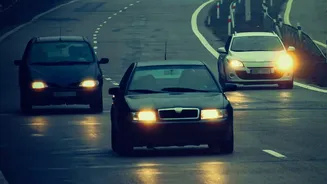
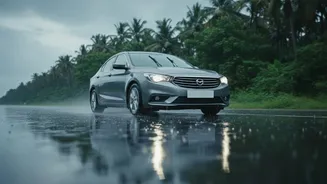
Once on the road, adjust your driving style for the conditions. The most important rule is to slow down. Your car's reaction time and braking distance are significantly longer on wet roads. Increase the following distance between you and the vehicle ahead to at least four to five seconds. Always drive with your low-beam headlights on, even during the day, to improve your visibility and make you more noticeable to others. Avoid sudden braking or sharp turns, as these can cause your car to skid. Be especially cautious of hydroplaning, where your tyres lose contact with the road and float on a layer of water. If you feel the car start to slide, ease off the accelerator and steer straight until you regain control. Do not slam on the brakes.
Navigating Waterlogged Streets
Waterlogged roads are a common and dangerous feature of heavy rains in India. The golden rule is: when in doubt, turn around. It's often impossible to tell the depth of the water or what hazards might be hidden beneath the surface. As a general guideline, avoid entering any water that appears to be higher than the center of your wheels. Driving through deep water can cause it to be sucked into your engine's air intake, leading to catastrophic and expensive damage known as hydrostatic lock. If you must proceed, drive slowly and steadily in a low gear to keep the engine revs high, preventing water from entering the exhaust pipe. After clearing the water, gently tap your brakes a few times to dry them out.
What to Do If You Get Stuck
If your car stalls in a waterlogged area, the single most important thing to do is to not try and restart the engine. Attempting to do so is the quickest way to cause severe engine damage. Your first step should be to turn on your hazard lights to alert other drivers. If the water level is rising, it is safer to abandon the vehicle and get to higher ground. Your safety is more important than the car. Once you are safe, call for roadside assistance to have your vehicle towed. Do not attempt to retrieve the car yourself. Inform your insurance provider about the situation as soon as possible, as many comprehensive policies cover flood-related damage.