

The Vacation Humidity Hack
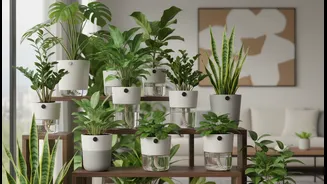
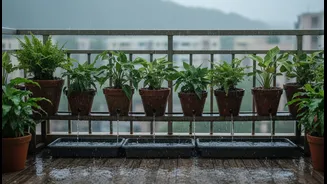
The logic behind clustering your houseplants before a trip is sound. Plants release water vapour from their leaves through a process called transpiration. When you group several plants together, they create a mini-ecosystem, raising the ambient humidity
in their immediate vicinity. This communal moisture helps keep each plant hydrated for longer, reducing the stress of your absence. For many tropical houseplants that thrive in higher humidity, this method can be a lifesaver, especially if you'll be away for a week or more. Moving them into a bathroom, which is naturally more humid, and grouping them there is a popular strategy. Some people even place their pots in a bathtub with a few inches of water and a towel underneath to wick moisture.
The Danger of Stagnant Air
Here's the catch: while boosting humidity is good, trapping it in stagnant air is not. Without adequate air circulation, that humid microclimate becomes a perfect breeding ground for fungal diseases like powdery mildew, mould on the soil, and other bacterial issues. Stagnant, moist conditions are precisely what these pathogens love. If plants are packed too tightly, air cannot move between them, trapping moisture on leaves and soil surfaces for extended periods. This not only invites disease but can also attract pests that thrive in damp environments. What starts as a well-intentioned effort to keep your plants watered can end with you returning to a sad, mouldy collection.
Achieving the Perfect Balance
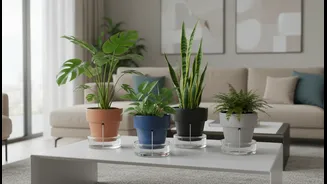
The key is to group your plants strategically, not just cram them together. Think of it as creating a community with personal space. Place your humidity-loving plants together, but leave at least a few inches between each pot to allow air to flow freely around the foliage and soil. You can enhance the effect by placing the group on a large tray filled with pebbles and water. The pots should sit on the pebbles, not directly in the water, which allows for evaporation to increase humidity without waterlogging the roots. Move the entire setup away from direct sunlight, which can scorch leaves and dry pots out too quickly. An ideal spot is a bright, indirectly lit room.
Simple Solutions for Airflow
Ensuring proper airflow doesn't require complex equipment. If the room is secure, cracking a window can provide a gentle, natural breeze. Another excellent method is to use a small oscillating fan set to its lowest speed and placed several feet away from the plants. You can put the fan on a simple timer to run for a few hours each day. This mimics a natural breeze, strengthening stems and, most importantly, preventing moisture from stagnating on leaf surfaces. Even placing plants near an internal doorway or in a larger, open room rather than a small, enclosed space can make a significant difference.
Your Pre-Departure Checklist
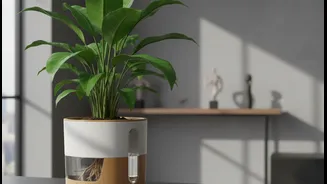
Before you lock the door and head out, run through this final checklist. First, give every plant a thorough watering, allowing excess water to drain away completely. Never leave plants sitting in a saucer full of water, as this leads to root rot. Prune any dead or yellowing leaves to reduce the chance of decay and disease. Do a quick pest check to make sure you're not creating an incubator for an infestation. If you're using a wicking system—where a cotton rope draws water from a reservoir into the soil—make sure it's set up and working correctly. Finally, adjust your thermostat to a moderate temperature to avoid extreme heat or cold, which can stress your plants.