







The Frictionless Spending Trap
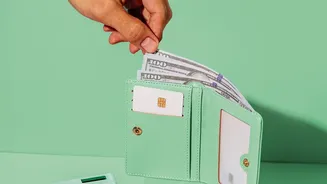
The core issue lies in a psychological concept called the “pain of paying”. When you hand over physical cash, your brain registers a tangible loss. You see your wallet getting lighter, which creates a natural moment of hesitation and makes you more mindful
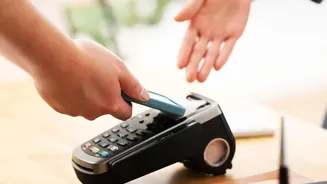
of the expense. Digital payments, especially the lightning-fast ones via UPI, remove this friction entirely. The transaction is abstract, just numbers on a screen, which creates a disconnect from the financial consequence. This can lead to what researchers call 'Spendception'—a reduced psychological barrier to spending, making it easier to spend more without fully realising the impact. Studies have shown people are willing to spend significantly more when using digital methods compared to cash for this very reason.
Death by a Thousand Small Taps
The real danger of UPI isn't one large, regrettable purchase; it's the endless stream of small, seemingly insignificant payments. That ₹30 for a coffee, ₹100 for a quick snack, or ₹50 for an auto ride barely register as real spending in the moment. Unlike pulling out a ₹500 note and getting change back, these micro-transactions are invisible. They don't trigger a mental calculation of your remaining budget. However, over a month, these frequent small debits accumulate into a substantial amount, silently draining your account. Many users only notice the damage at the end of the month when they check their bank statement, by which point it's too late. Recent surveys confirm this, with a high percentage of users admitting they tend to overspend due to the ease of UPI.
Strategy 1: Make Your Spending Visible Again
The first step to regaining control is to counteract the invisibility of digital spending. Make it a weekly habit to sit down and review your UPI transaction history. Many payment apps like Google Pay and PhonePe now offer spending summaries that categorise your expenses, showing you exactly where your money is going. Seeing a consolidated figure of ₹5,000 spent on food delivery, for instance, is far more impactful than recalling 20 separate small orders. For an even clearer picture, use a dedicated expense tracking app that automatically reads your transaction messages and organises them. The goal is to reintroduce the financial awareness that cash naturally provides.
Strategy 2: Create Healthy Digital Friction
Since UPI's main feature is its lack of friction, you need to manually create some. A highly effective method is to use a secondary bank account exclusively for UPI payments. At the beginning of the month, transfer a fixed 'spending budget' into this account from your primary salary account. Link your UPI apps only to this secondary account. Once the balance runs low, your payments will simply stop going through, acting as a hard stop for your spending. Alternatively, use the UPI Lite feature available in many apps. You can load a specific amount into this on-device wallet for small, daily expenses. This not only caps your spending but can also help avoid bank charges for exceeding free transaction limits.
Strategy 3: Adopt a Hybrid Spending Model
For categories where you consistently overspend, consider going old-school. Try a hybrid model: use UPI for essential, fixed costs like rent and utility bills, but withdraw physical cash for your discretionary 'wants' like entertainment, dining out, or shopping. The classic envelope system, where you allocate a specific amount of cash for each spending category at the start of the month, is still incredibly effective. When the cash in the 'eating out' envelope is gone, you stop eating out. This simple physical limit forces you to be more deliberate with your spending choices in a way that a seemingly bottomless digital account does not.