







The Allure of the 30-Second Health Hack
Social media platforms like Instagram have become the new frontier for health advice, where a 30-second Reel can have more persuasive power than a doctor's consultation. Influencers, often without any medical qualifications, package complex health needs
into simple, aspirational content. They sell a lifestyle, and the supplements are presented as the key to achieving it. This marketing is potent because it blurs the line between personal testimony and paid promotion, making it difficult for consumers to distinguish between genuine advice and a sales pitch. The 'before and after' stories, while compelling, are anecdotes, not clinical evidence. This environment creates a powerful narrative that real health is boring and complicated, while the 'hacks' offered online are fast and easy. This messaging lowers the psychological barrier to consuming products that haven't been vetted by medical professionals.
From 'Add to Cart' to Serious Health Risks
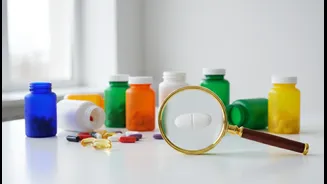
The convenience of buying supplements directly from a social media link comes with significant, often hidden, risks. Many of these products are unregulated and sold on e-commerce platforms without proper quality checks. Doctors across India are increasingly seeing patients with severe health issues, including liver and kidney damage, linked to the misuse of over-the-counter supplements. Studies show a rise in supplement-induced liver injuries, some so severe they require transplants. Unregulated products may contain harmful substances not listed on the label, such as heavy metals like lead and arsenic, or even anabolic steroids. Even seemingly harmless herbal supplements like giloy and ashwagandha have been implicated in hundreds of cases of liver injury in India when used improperly. The belief that 'natural' equals safe is a dangerous misconception, as high doses or contaminated products can be toxic.
A Regulatory Maze for Consumers
While India's supplement market is booming, the regulations are struggling to keep up, especially in the digital marketplace. The Food Safety and Standards Authority of India (FSSAI) is the primary body overseeing health supplements, which are classified as food, not drugs. This distinction means they are subject to less stringent scrutiny than pharmaceutical medicines. The FSSAI has regulations against making false or misleading claims, and has recently moved to tighten rules for protein powders, but enforcement is a challenge. Many brands make bold health claims that are not scientifically substantiated. The borderless nature of the internet allows sellers to bypass traditional checks, leaving consumers vulnerable. While the FSSAI mandates that labels must carry disclaimers like "Not for medical use," the powerful marketing on social media often drowns out these warnings.
The Case for Real, Boring Health Advice
The antidote to this trend is not another viral hack, but a return to fundamental health principles. True wellness is not achieved overnight with a supplement, but through consistent, evidence-based practices. This includes a balanced diet, regular physical activity, and adequate sleep. Before starting any supplement, the first step should always be a consultation with a qualified healthcare professional, such as a doctor or a registered dietitian. They can identify any genuine deficiencies through proper testing and recommend safe, effective interventions. Many doctors are now taking to social media themselves to combat the wave of misinformation, offering credible advice to counter the pseudoscience. Relying on a professional who understands your individual health profile is crucial, as even beneficial supplements can cause harm if you have underlying conditions or are taking other medications. Your health journey should start in a clinic, not in your social media feed.