





This Year's Monsoon Report Card
The 2026 Southwest Monsoon, which provides over 70% of India's annual rainfall, has concluded with a significant deficit. According to the India Meteorological Department (IMD), the country received rainfall that was 12.6% below the long-period average
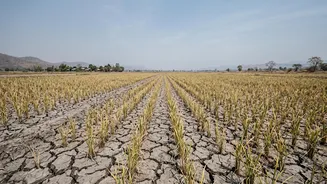
(LPA), marking it as the weakest monsoon season since 2015. The season was highly erratic, with a very dry June followed by a brief recovery in July, and then below-normal rainfall in August and September. This shortfall, influenced by strengthening El Niño conditions, was not spread evenly. The southern peninsula and the east and northeast regions were hit particularly hard, recording deficits of around 24% and 25% respectively.
The Direct Hit on Summer Crops
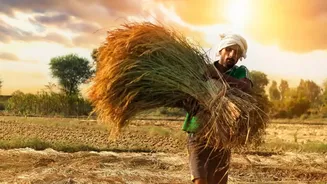
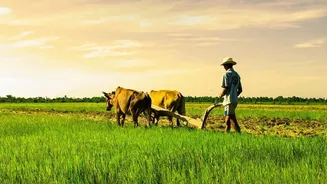
The immediate impact of a poor monsoon is felt by the Kharif (summer-sown) crops, which are heavily dependent on this seasonal rain. Sowing for several key crops was affected. While overall Kharif acreage was only slightly down compared to last year and remained above the five-year average, the devil is in the details. The area under crucial crops like rice, maize, and cotton saw a decline. Though the government's initial food grain production target for 2026-27 is only marginally lower than the previous year's output, concerns have shifted from the area sown to crop productivity. Inadequate rainfall during critical growth stages can significantly reduce yields for crops like soybean, groundnut, and pulses, even if sowing targets were met.
Water Worries for the Winter Season
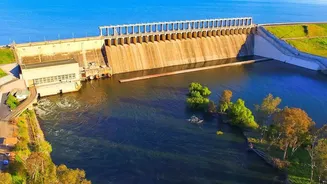
The consequences of a weak monsoon extend beyond the Kharif harvest. It critically affects water availability for the upcoming Rabi (winter) crop season. A key indicator is the water level in India's major reservoirs. As of late September and early October 2026, storage in the country's 178 major reservoirs was at its lowest level for this time of year in a decade, standing at about 70-71% of total capacity. This is significantly below the levels recorded last year and also under the ten-year average. The situation is especially concerning in southern India, where reservoir levels are sharply lower. This depletion raises serious concerns about the availability of water for irrigating winter crops like wheat, mustard, and chickpeas, potentially impacting their sowing and growth.
The Inflation Equation: From Farm to Your Plate
Lower agricultural output inevitably puts upward pressure on prices. The first to be affected are usually perishables like vegetables. Disrupted supply chains and reduced harvests can cause prices of staples like onions and tomatoes to spike quickly. In September 2026, for instance, onion prices were reportedly up by over 90% compared to the previous year. The impact on cereals and pulses takes longer to manifest but can be more sustained. Reduced production of pulses and oilseeds, for which India is already dependent on imports, could lead to a higher import bill and rising domestic prices. While large buffer stocks of rice and wheat provide some security at a national level, the prices of many other essential food items remain vulnerable. This creates a direct risk of higher food inflation, which affects household budgets across the country.
What the Experts Are Watching
Economists and policymakers, including the Reserve Bank of India (RBI), are monitoring the situation closely. A weak monsoon is flagged as a key risk to the inflation outlook. Projections from August 2026 suggested that inflation was expected to rise in the latter half of the year, driven primarily by food and fuel prices. While core inflation has remained relatively contained, the headline numbers that affect consumers are being watched. Rating agencies have already trimmed their forecasts for India's agricultural growth for the financial year. The government's response will also be crucial, including supply-side measures to manage prices and contingency plans for the Rabi season, such as promoting less water-intensive crops in affected areas.