






The New Rules of Travel
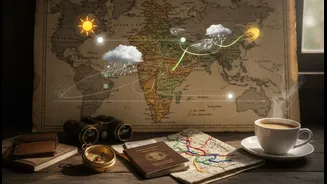
The old travel playbook of simply picking a destination and booking tickets is becoming obsolete. Two significant factors have changed the game for travellers in India: increasingly unpredictable weather and the growing issue of overtourism. Climate change is making
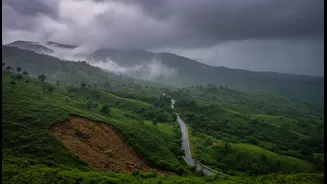
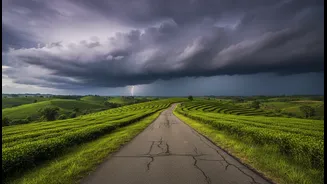
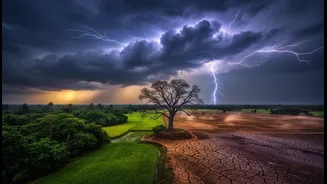
weather patterns more erratic. Heatwaves are more frequent and intense, monsoons can bring extreme rainfall leading to floods and landslides, and traditional peak seasons are becoming less reliable. This means a trip planned for a historically 'good' weather month might now be a gamble. Simultaneously, many of India's most cherished cultural sites, from the ghats of Varanasi to the forts of Rajasthan, are grappling with overtourism. This not only diminishes the visitor experience with long queues and crowded spaces but also puts immense strain on fragile heritage sites and local infrastructure. Planning a cultural trip in 2026 and beyond requires a more thoughtful, strategic approach that acknowledges these modern challenges.
Becoming a Weather-Smart Traveller
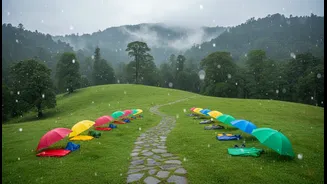
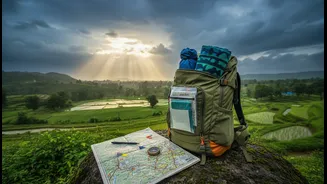
Navigating India's increasingly volatile weather is key to an enjoyable trip. The first step is to move beyond generic seasonal advice. Instead of just knowing when the monsoon 'usually' starts, use reliable weather apps and websites like the India Meteorological Department (IMD) to monitor forecasts and alerts for your specific destination. When planning, think in terms of micro-strategies. For a summer trip to Rajasthan, for example, schedule outdoor activities like fort visits for the early morning or late evening to avoid the punishing midday sun. The hours between 12 PM and 4 PM are best spent indoors, perhaps exploring a museum or enjoying a leisurely lunch. For monsoon travel, packing is crucial. Opt for quick-dry clothing, waterproof footwear, and protective cases for your electronics. Always have a backup plan for indoor activities in case a day of sightseeing is washed out. This proactive approach turns weather from a potential trip-wrecker into a manageable element.
The Art of Outsmarting the Crowds
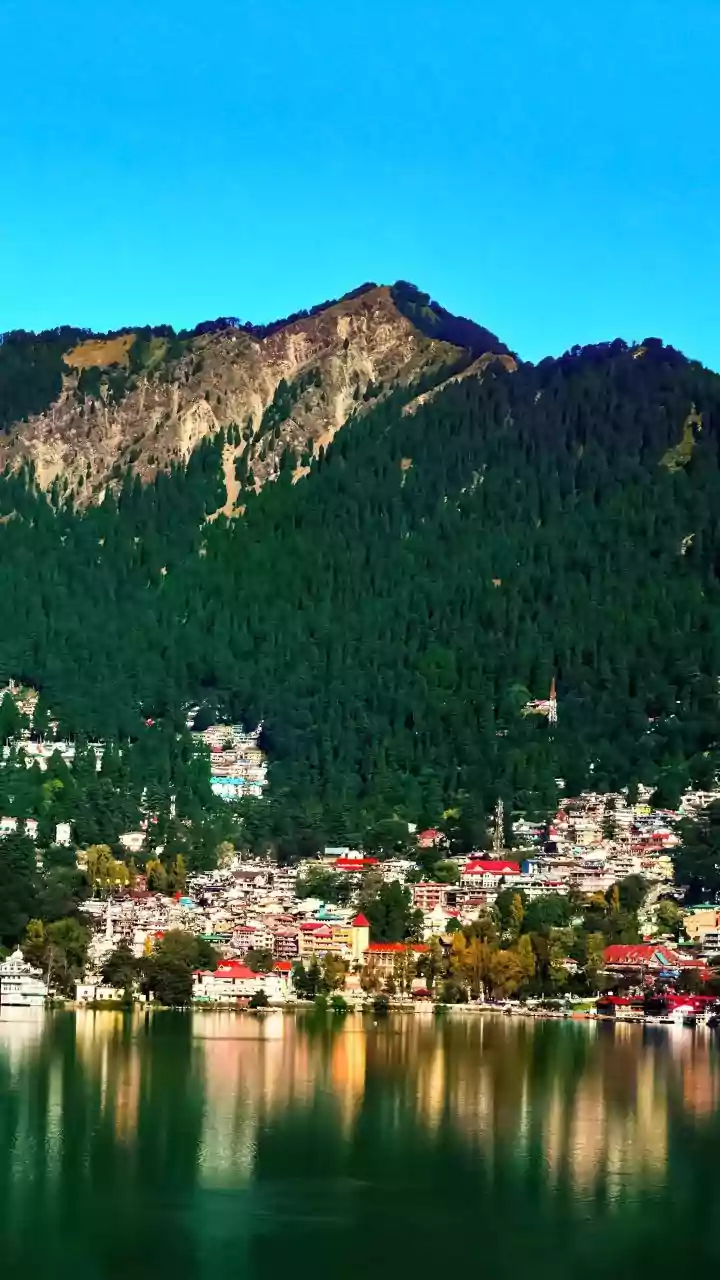
Finding tranquillity at a world-famous monument can feel like an impossible task, but it's not. The most effective strategy is timing. Visiting iconic spots like the Taj Mahal or Jaipur's Hawa Mahal at sunrise or on a weekday can offer a completely different, more serene experience than a weekend afternoon. Another powerful strategy is to travel during the 'shoulder season'—the period just before or after the peak tourist season. You'll often find pleasant weather, fewer people, and better deals. Exploring beyond the primary tourist circuit can also be incredibly rewarding. Instead of only focusing on the most famous destinations, consider hidden gems. Places like Hampi or the temple towns of inland Tamil Nadu offer profound cultural experiences without the crushing crowds of the Golden Triangle. Booking tickets for monuments and museums online in advance can also save you from long queues.
Embrace the Slow Travel Philosophy
Perhaps the most effective response to both weather and crowd pressures is to adopt a 'slow travel' mindset. Instead of rushing to tick off a long list of sights, slow travel encourages a deeper, more immersive experience in a single location. By spending more time in one place, you can explore at a leisurely pace, discover hidden alleys, and form genuine connections with the local community. This approach naturally solves many travel headaches. If a heatwave hits, you have the flexibility to relax indoors without feeling like you're missing out. If a popular site is too crowded, you can simply return the next day at a quieter time. Slow travel shifts the focus from 'seeing' to 'experiencing', allowing for spontaneous discoveries and a more relaxed, meaningful journey. It’s about the quality of your experiences, not the quantity of landmarks you've photographed.