


A Delicious Collision of Worlds
Vegetarian fusion baking is exactly what it sounds like: a creative culinary movement that marries the rich, aromatic flavours of traditional Indian sweets (mithai) with the structures and techniques of Western baking. Think cakes, cookies, tarts, and cheesecakes
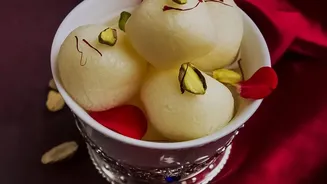
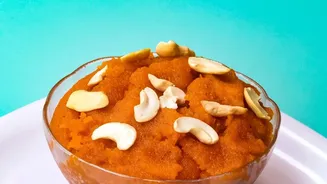
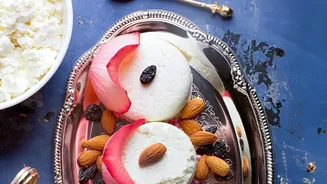
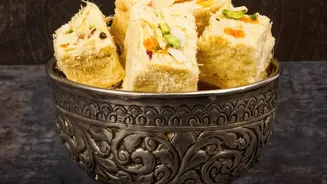
that pay homage to beloved classics like gulab jamun, jalebi, rasmalai, and gajar ka halwa. This trend goes beyond simply adding a pinch of cardamom to a vanilla sponge. It involves deconstructing and cleverly reinterpreting iconic Indian desserts within a baked format. The result? A Gulab Jamun Cake soaked in fragrant syrup, a Rasmalai Tiramisu with layers of delicate flavour, or even cookies and cream-flavoured burfi. The key to its soaring popularity is that virtually all these creations are eggless, catering to a vast segment of the Indian population that prefers vegetarian desserts.
The Rise of the Home Baker
Much of this trend's momentum comes from the recent explosion of home baking in India, a phenomenon significantly accelerated during the pandemic lockdowns. With more time on their hands, many aspiring entrepreneurs and baking enthusiasts turned their passion into a profession. Social media platforms like Instagram and Facebook became virtual bakeries, allowing home chefs to showcase their stunning creations and connect directly with customers. This digital marketplace fostered innovation, as bakers competed to offer unique products. Fusion desserts became a perfect way to stand out, offering something new yet comfortingly familiar. The accessibility of online tutorials and baking supplies has empowered a new generation of bakers to experiment and build small businesses from their own kitchens.
Why the Fusion Formula Works
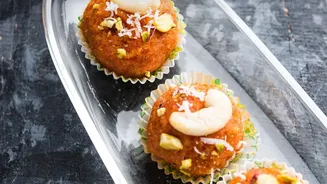
The appeal of fusion baking is multi-layered. For many, traditional Indian sweets can be overwhelmingly sweet. Fusion baking often dials down the sugar, balancing it with the textures of cakes, creams, and crusts, making it more palatable for a modern audience. Furthermore, it speaks to a generation of Indians who have grown up with global exposure but remain deeply connected to their cultural roots. These desserts are the best of both worlds: they offer the novelty of a Western-style pastry while delivering the nostalgic flavours of childhood celebrations. They are also incredibly photogenic. A slice of vibrant Motichoor Ladoo Rabdi Cake or a beautifully layered Gulab Jamun Cheesecake is an Instagram post waiting to happen, further fuelling the trend's visibility and desirability.
Creative Combinations to Try
The creativity within this space seems boundless. Some popular and inventive creations include Rasmalai Pudding Cake, Badam Halwa Croissants, and even Masala Chai-spiced cupcakes. Bakers are infusing everything with classic Indian flavours, from saffron and pistachio shortbread to paan-flavoured cakes and Thandai mousse. The focus is on honouring the original sweet while presenting it in an entirely new context. For example, in a Gulab Jamun Cake, the cake itself is often a light cardamom pound cake, which is then soaked in the same syrup used for the mithai, with whole gulab jamuns baked right inside for a delightful surprise. Similarly, a Rasmalai Cake involves saffron-infused whipped cream and cake layers soaked in the sweet, milky goodness of the original dessert.