


Create a Smart Snack Blueprint
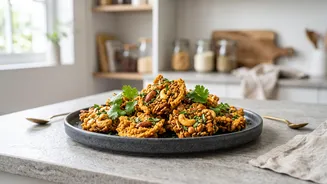
The secret to a stress-free festive kitchen is planning. Before you buy a single ingredient, decide which snacks to make. Not all traditional treats are suited for advance preparation. Dry, fried, or roasted snacks like mathri, shankarpali, chakli, and
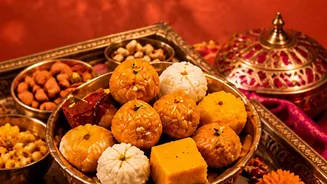
chivda have a long shelf life and are ideal for making a week or two ahead. In contrast, milk-based sweets like kalakand or paneer-based items should be made closer to the festival dates as they are more perishable. Create a realistic timeline. A good approach is to dedicate small pockets of time over several days rather than blocking out an entire weekend. For example, you could plan to make one type of dough on a Tuesday evening, shape it on Wednesday, and fry it on Thursday. This breaks an overwhelming task into manageable 30-minute activities. A detailed ingredient checklist, compiled 10-12 days in advance, prevents last-minute dashes to the store.
Embrace Multi-Day Prep Work
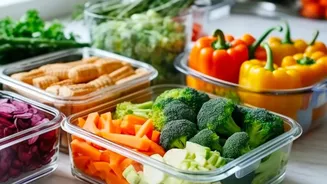
Professional chefs call it 'mise en place'—getting all your components ready before you start cooking. This principle is a game-changer for festive prep. You can start many tasks days before the main cooking begins. Roasting flours like besan or suji, grinding spice mixes, chopping nuts, and preparing sugar syrups can all be done in advance. Store these prepped ingredients in labelled airtight containers. This way, when you are ready to cook, you are merely assembling rather than starting from scratch. For snacks like ladoos, you can prepare the base mixture of roasted flour, ghee, and sugar ahead of time and store it. When you have a spare moment, simply warm the mixture slightly and roll it into balls. This 'partial cooking' method allows you to spread the effort across several days, making the process feel far less daunting.
Mastering the Art of Storage
Proper storage is crucial to ensure your hard work pays off and the snacks remain fresh and crisp. The two main enemies of homemade snacks are air and moisture, especially in humid climates. For dry, fried snacks like mathri, sev, and chakli, allow them to cool completely to room temperature before storing. Trapping even a little warmth will create condensation and make them soft. Use clean, dry, airtight containers—steel or glass jars are excellent choices. Keep these containers in a cool, dark place away from direct sunlight. Refrigeration is generally not recommended for fried snacks as it can make them lose their crunch. For sweets, the rules are different. Milk-based mithai must be refrigerated and are best consumed within a few days. Dry sweets like besan ladoos can last longer at room temperature in airtight containers.
Modern Twists and Team Efforts
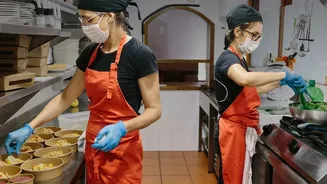
Embracing tradition doesn't mean rejecting modern conveniences. Many recipes can be adapted to be less time-consuming. Using condensed milk can create instant versions of sweets like peda or kalakand, cutting down cooking time significantly. Air fryers can offer a healthier, hands-off alternative for snacks that are traditionally deep-fried. Furthermore, you don’t have to do it all alone. Turn snack preparation into a social activity. Invite friends or family over for a weekend afternoon of cooking together. Assign different snacks to different people, turning a solitary chore into a fun, collective effort. This not only lightens the workload but also enriches the festive spirit with shared stories and laughter. It's also perfectly acceptable to adopt a hybrid approach: make a few signature items from scratch and supplement them with high-quality store-bought options. The goal is to celebrate, not to exhaust yourself.