







1. Join the Private Space Revolution
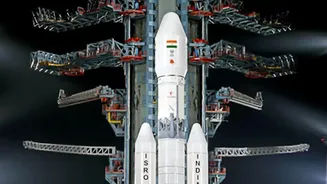
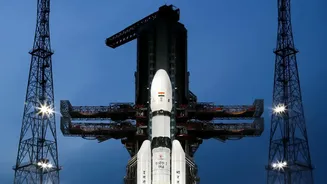
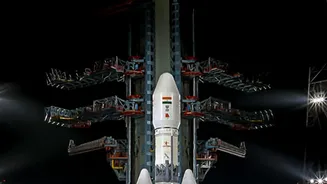
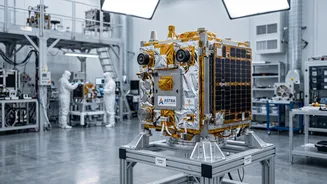
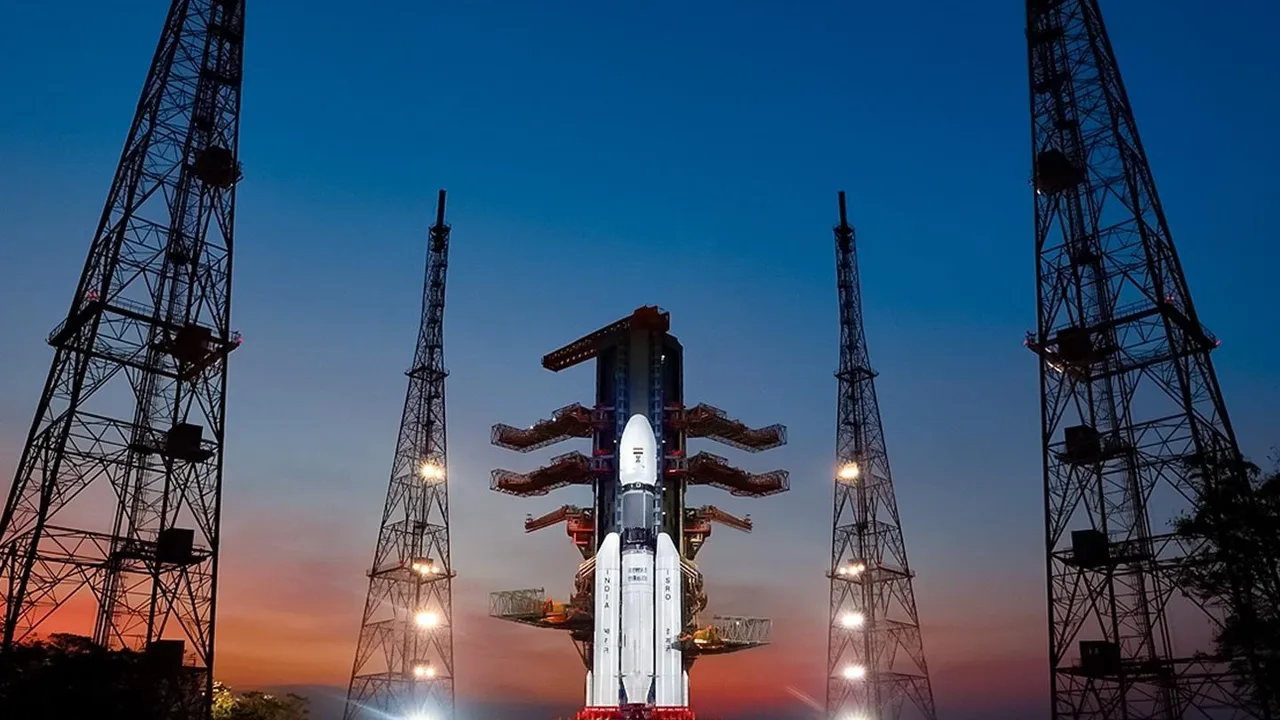
The single biggest change in India's space landscape is the rise of the private sector. Since the government opened up the industry in 2020, hundreds of startups have emerged. Companies like Skyroot Aerospace, which launched India's first private rocket,
and Agnikul Cosmos are building launch vehicles from the ground up. This has created a massive demand for engineers in aerospace, mechanical, and electronics disciplines. Unlike the structured, long-term projects at government agencies, these startups offer a fast-paced environment where young professionals can take on significant responsibilities early in their careers. The sector is attracting substantial investment, with the government aiming to grow India's share of the global space economy from around 2% to 10% by 2030, projecting a market size of nearly $44 billion. This growth means roles are not just in rocket science but also in project management, supply chain logistics, and business development.
2. Analyse Data from the Stars
The 'downstream' space sector is where data from satellites is turned into valuable insights, and it's an area with enormous potential. Satellites orbiting Earth collect vast amounts of data relevant to agriculture, climate change, urban planning, disaster management, and telecommunications. Young professionals with skills in data science, artificial intelligence, machine learning, and geographic information systems (GIS) are needed to analyse this information. Companies like Pixxel, which is building a constellation of hyperspectral imaging satellites, and others are creating platforms that help industries make better decisions. This field offers opportunities for those who are not traditional aerospace engineers but have strong analytical and software skills. A computer science graduate could find themselves helping to predict crop yields from space or monitoring deforestation in real-time.
3. Build the Nuts and Bolts
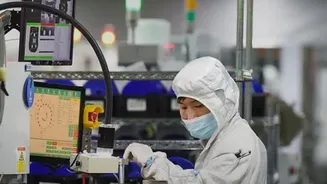
Every satellite and rocket requires thousands of precision components, from propulsion systems and sensors to communication hardware and solar panels. For decades, the Indian Space Research Organisation (ISRO) has cultivated a network of over 500 small and medium-sized enterprises (SMEs) as suppliers. With the private sector now building its own hardware, the demand for advanced manufacturing is set to explode. This creates jobs in high-tech manufacturing, materials science, and quality control. Young professionals in electrical, mechanical, and industrial engineering can find roles in designing, building, and testing the critical components that make space missions possible. As companies like Bellatrix Aerospace focus on specialised areas like satellite propulsion, they create niche opportunities for deep technical experts.
4. Shape the New Rules of Space
As the space sector becomes more crowded with commercial players, a new frontier is opening up in law, policy, and ethics. The Indian government established the Indian National Space Promotion and Authorisation Centre (IN-SPACe) as a single-window agency to regulate and promote private space activities. This has created a need for professionals who understand the complexities of space law, international treaties, and regulatory compliance. Lawyers are needed to draft launch agreements, handle intellectual property rights for new technologies, and navigate issues like satellite spectrum allocation and space debris mitigation. Professionals with backgrounds in public policy, economics, and international relations are also in demand to help shape the strategic vision for India's growing space economy.
5. Support the Mission from the Ground
A thriving space company needs more than just engineers. As startups grow and compete for talent and customers, they require a wide range of business support functions. This opens doors for young professionals in finance, marketing, human resources, and graphic design. Space-tech companies need financial analysts to manage venture capital funding and project budgets. They require skilled communicators to tell their story to investors, the public, and potential clients. Web developers and content creators are hired to build a company's digital presence. These ancillary roles are crucial for building a sustainable business and offer a way for professionals from diverse academic backgrounds to be part of one of India's most dynamic and inspiring industries without needing a degree in rocket science.