




The Viral Star: Oi Muchim (Spicy Cucumber Salad)
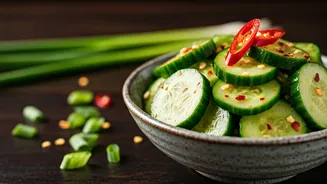
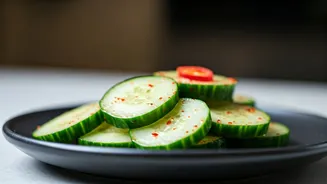
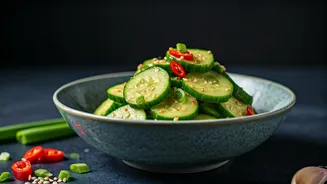
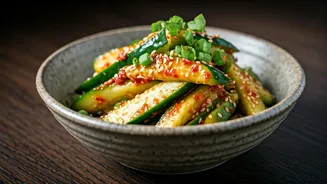
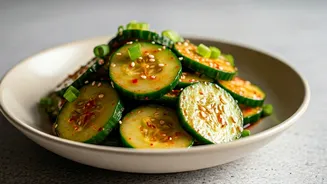
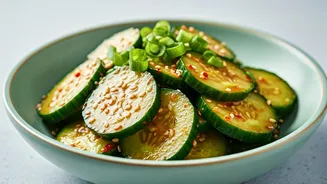
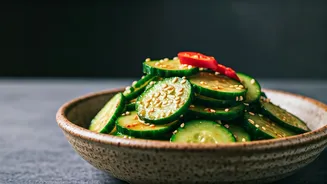
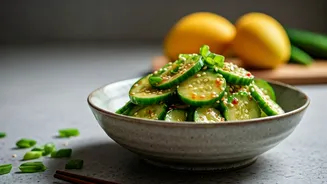
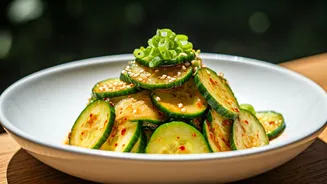
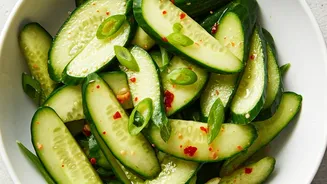
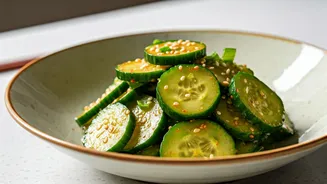
The most common sight on social media is Oi Muchim (오이무침), a spicy Korean cucumber salad. Its popularity lies in its simplicity and powerful flavour punch. This is a 'muchim' dish, which means it's seasoned and tossed, not fermented, allowing for immediate
enjoyment. The preparation is quick and often involves slicing cucumbers and mixing them with a vibrant dressing. Key ingredients typically include gochugaru (Korean chili flakes), toasted sesame oil, garlic, a touch of vinegar, and sugar. Many recipes recommend salting the cucumbers for 15-30 minutes first. This crucial step draws out excess water, ensuring the final salad is intensely crunchy and not watered down. Perfect as a quick kimchi substitute, it's a refreshing and addictive banchan (side dish) that pairs well with almost any meal.
The Stuffed Classic: Oi Sobagi (Stuffed Cucumber Kimchi)
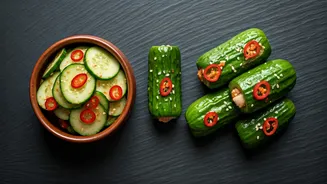
A more elaborate, yet equally beloved, variation is Oi Sobagi (오이소박이), or stuffed cucumber kimchi. Unlike the quick salad, this is a true kimchi, often left to ferment for a day or two to develop deeper, tangier flavours. The preparation is visually distinctive: small, crisp cucumbers, like Kirby or Korean cucumbers, are cut into quarters lengthwise, leaving the base intact to create a pocket. This pocket is then generously stuffed with a flavourful paste. The filling typically consists of Korean chives (buchu), garlic, ginger, and a generous amount of gochugaru, often bound with a little fish sauce or salted shrimp. While it requires more effort than Oi Muchim, Oi Sobagi is a summer classic in Korea, celebrated for its refreshing crunch that holds up beautifully through fermentation.
Why Are We Obsessed Now?
The explosion of Korean cucumber recipes on social media isn't a coincidence. It's a perfect storm of visual and sensory appeal. The vibrant green of the cucumber against the fiery red of the gochugaru is incredibly eye-catching, making it ideal for platforms like Instagram and TikTok. Furthermore, the satisfying crunch is a key component of the ASMR (Autonomous Sensory Meridian Response) trend in food videos. Beyond aesthetics, the global fascination with Korean culture, from K-dramas to K-pop, has created immense curiosity about its cuisine. These recipes are accessible entry points into Korean cooking: they require few ingredients, are relatively quick to prepare, and deliver the bold, complex flavors—spicy, sweet, savory, and tangy—that Korean food is famous for.
Tips for Perfect Korean Cucumbers
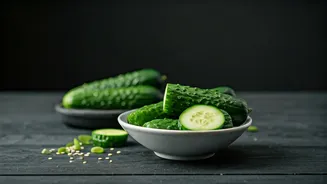
Ready to try making your own? Here are a few tips to ensure success. First, choose the right cucumber. Persian, Kirby, or Japanese cucumbers are often recommended because they are crunchier and have fewer seeds than standard varieties. Don't skip the salting step for Oi Muchim; it makes a huge difference in texture by preventing a soggy salad. When making the dressing, feel free to adjust the ingredients to your preference. Add more gochugaru for extra heat, more sugar for sweetness, or a bit more rice vinegar for tang. For Oi Sobagi, using a hot salt brine can help the cucumbers stay extra crisp during fermentation. Whether you're making a quick salad or a stuffed kimchi, these dishes are best enjoyed as part of a larger meal, providing a cool, spicy counterpoint to rice, noodles, or grilled meats.