




The Emptiness of Endless Playlists
Streaming platforms like Spotify and Apple Music have revolutionised access, but they’ve also turned music into a utility. For many, music has become a background soundtrack for workouts, commutes, or study sessions, rather than an art form to be actively
engaged with. This passive consumption model creates a sense of detachment. Listeners scroll through infinite, algorithmically-generated playlists, but the connection to the artist and their work can feel thin. Furthermore, the conversation around streaming's notoriously low payouts for artists has left many fans feeling complicit in a system that undervalues creators. This combination of algorithmic fatigue and ethical concern is pushing fans to seek alternatives that offer a deeper, more rewarding relationship with music.
The Tangible Joy of Physical Media
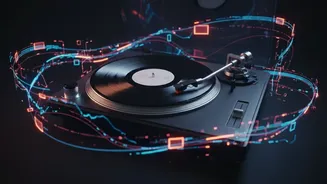
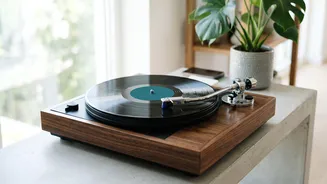
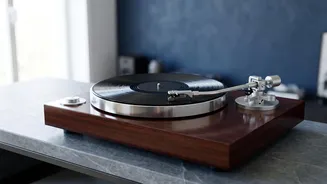
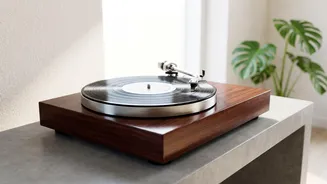
In a surprising turn against digital ephemerality, physical music formats are making a remarkable comeback. Vinyl record sales have seen over a decade of consecutive growth, with vinyl LPs outselling CDs in recent years for the first time since the 1980s. This isn't just about nostalgia; for many, especially younger Gen Z fans, it's a new experience. The appeal lies in the ritual: carefully placing a record on a turntable, admiring the large-format album art, and reading the liner notes. It’s an immersive, intentional act of listening that streaming can't replicate. This trend is about ownership and collecting, creating a physical library that reflects one's identity in a way a digital playlist cannot. Recent data shows a significant surge in sales for both vinyl and CDs, underscoring a collective desire to hold music in your hands again.
Craving the Roar of the Crowd
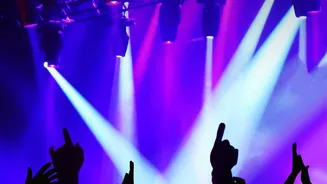
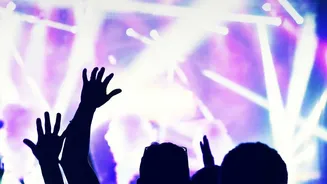
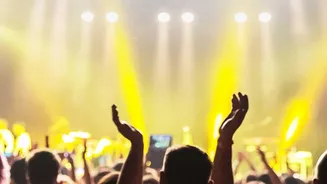
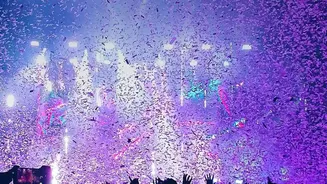
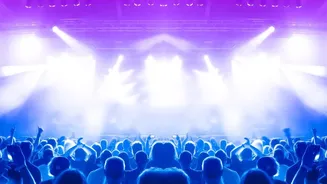
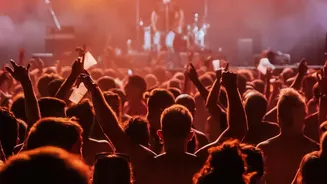
If physical media is about tangible ownership, live music is the ultimate communal experience. After a period of pandemic-induced silence, the demand for concerts and festivals has exploded. Promoters reported significant year-over-year growth in attendance post-pandemic, establishing a new, higher baseline for the live music market. While massive tours by global superstars grab headlines, this energy is felt across the industry, from large festivals to intimate club shows. Fans are demonstrating that while virtual concerts were a temporary fix, there is no substitute for the collective energy of a live performance. They are willing to pay for the experience, with a rising number of listeners rating concerts as a good value despite high ticket prices. This signals a powerful craving for shared, real-world moments centered around music.
Finding a Community Beyond the 'Follow'
The search for connection is also happening online, but in spaces far more interactive than a streaming app's comment section. Artists and their most dedicated fans are building vibrant communities on platforms like Discord, Patreon, and specialised direct-to-fan services like Subtext or EVEN. These platforms offer a different kind of experience, one built on direct access and shared identity. Fans can participate in Q&As with artists, get behind-the-scenes content, access exclusive pre-releases, and connect with other like-minded supporters. This model transforms the artist-fan dynamic from a one-way broadcast into a two-way conversation, fostering a sense of belonging that a simple 'follow' on a social media or streaming platform cannot provide. It’s a move towards a sustainable ecosystem where fans can directly support the artists they love and get more than just the music in return.