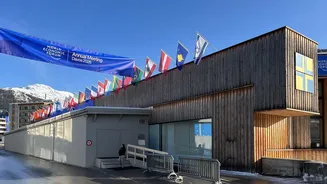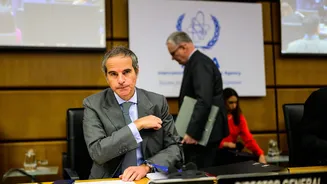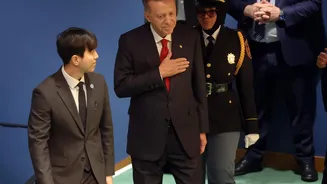


The United Nations climate summit in Antalya, Turkey, has ended in collapse, with nations failing to agree on a comprehensive pact. The breakdown at what was the longest COP on record raises urgent questions about the world’s ability to tackle climate change.
The Central Disagreement: Fossil Fuels
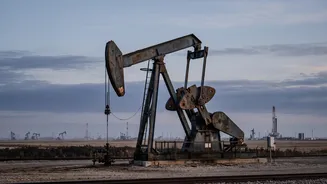
The primary reason for the summit's failure was a deep and irreconcilable divide over the future of fossil fuels. A large coalition of countries, including the European Union and many climate-vulnerable nations, pushed for language in the final agreement that would commit the world to definitively 'phase out' oil, gas, and coal. However, this was strongly resisted by a group of oil and gas-producing nations, reportedly including Saudi Arabia and Russia, who opposed any direct mention of moving away from fossil fuels. This dispute is not new; the 'phase out' versus 'phase down' debate has paralysed climate talks for years. Proponents of a phase-out argue it is the only way to meet the Paris Agreement's goal of limiting warming to 1.5 degrees Celsius. Opponents, however, argue for focusing on emissions reduction through technologies like carbon capture, which they say allows for continued fossil fuel use. In Antalya, this fundamental conflict proved impossible to bridge.
The Money Problem: Climate Finance
A second major sticking point was climate finance—the money provided by wealthy, developed nations to poorer, developing countries to help them cut emissions and adapt to climate impacts. Developing nations, including a united front from the G77, China, and the BASIC group (Brazil, South Africa, India, and China), argued that ambitious climate action is impossible without adequate and predictable financial support. India, in particular, forcefully brought the concept of 'historical responsibility' back to the forefront, arguing that countries that industrialized earliest and emitted the most historically have a duty to pay for the transition. Negotiators from developing countries reported that their developed counterparts refused to engage meaningfully on new finance targets, leading to a breakdown in trust. The final draft texts were criticized for lacking specific figures for adaptation finance, a critical need for nations already facing severe climate effects like floods and droughts.
India's Stance: Equity and Development
Throughout the summit, India positioned itself as a key voice for the Global South, anchoring its negotiating stance in the principles of equity and 'Common But Differentiated Responsibilities' (CBDR-RC). This principle holds that while all nations must act, developed countries have a greater responsibility due to their historical emissions. The Indian delegation argued that climate action cannot be detached from its development needs, including providing energy and jobs for its large population. This perspective informed India's resistance to certain proposals it viewed as inequitable, such as a pledge on electrification that didn't come with financial backing. India's firm position was that any global agreement must provide developing nations with the 'space' to grow and transition their economies justly, a stance that was widely supported by other developing countries but added to the complexity of the negotiations.
Were There Any Small Wins?
Despite the failure to secure an overarching 'Antalya Pact', the summit was not a complete wash. Progress was made on several smaller, more technical issues. Notably, negotiators reached an agreement on a 'just transition' work programme, which focuses on ensuring that the shift to green economies is fair to workers and communities currently reliant on fossil fuel industries. There were also procedural advances on adaptation and the 'Loss and Damage' fund, a mechanism designed to help vulnerable nations cope with climate disasters they cannot adapt to. However, these smaller agreements were overshadowed by the collapse of the main negotiations, with many observers noting that without a commitment to cut emissions at the source, these other efforts can only go so far.