



The Ultimate Dive: Scuba Sanctuaries
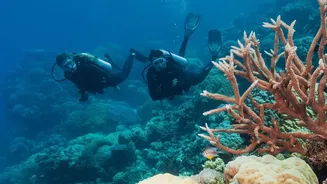
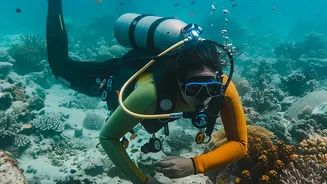
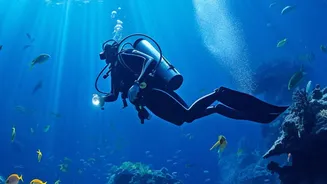
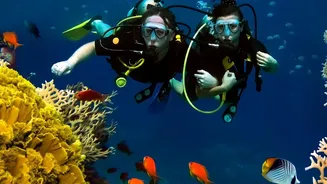
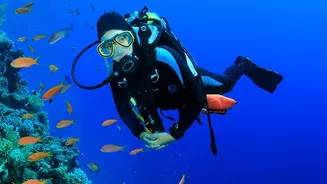
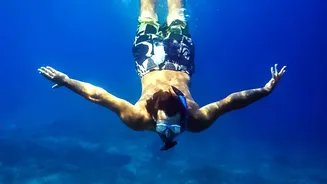
For those ready to take the plunge, India offers world-class scuba diving destinations. The Andaman and Nicobar Islands are the crown jewel, with Havelock Island (Swaraj Dweep) and Neil Island (Shaheed Dweep) serving as popular hubs. Here, clear waters
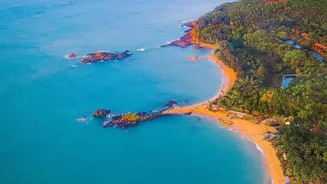
offer visibility up to 40 metres, revealing vibrant coral reefs, manta rays, turtles, and diverse fish species. Sites like Dixon's Pinnacle are famed for their colourful coral mounds and large fish like Napoleon wrasse. The Lakshadweep archipelago is another pristine option, known for its calm lagoons, turtles, and even sharks. Closer to the mainland, Netrani Island in Karnataka, also known as 'Pigeon Island', is a heart-shaped coral island teeming with marine life, including parrotfish, eels, and butterflyfish. Most destinations offer courses for beginners and advanced divers, but remember that the best season is typically from October to May, when the seas are calm and visibility is optimal.
Just Below the Surface: Snorkelling Hotspots
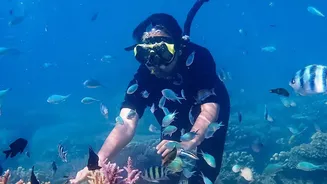
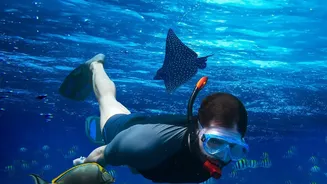
If scuba diving feels like too much of a commitment, snorkelling is a fantastic way to witness marine beauty with minimal equipment. It’s an ideal activity for families and first-timers. Elephant Beach on Havelock Island is widely regarded as India's best snorkelling spot due to its shallow, clear waters and abundant reefs teeming with clownfish and sea anemones. The isles of Lakshadweep, particularly Bangaram and Kadmat, offer incredible opportunities to float above thriving coral gardens and spot sea turtles and rays in tranquil lagoons. On the mainland, Goa's Grand Island provides a decent experience, though visibility can be lower than the islands. You may spot species like barracuda and sergeant majors around its patchy soft coral reefs.
Coastal Encounters: Marine Wildlife Spotting
Marine adventures aren't limited to what's beneath the waves. India's coastline and rivers are fantastic for wildlife safaris. Gahirmatha Marine Sanctuary in Odisha is globally significant as the world's largest nesting ground for Olive Ridley turtles, who arrive in massive numbers between January and March to lay eggs. Dolphin-watching is another popular activity. Boat tours in Goa are well-known, but you can also spot the endangered Gangetic river dolphin in the Ganga and its tributaries in West Bengal. For a unique experience, visit the Marine National Park in Gujarat's Gulf of Kutch. Here, you can walk among the corals during low tide without even getting wet, observing creatures like octopus, pufferfish, and starfish in the intertidal zone. The park is also home to dolphins and the endangered dugong, or sea cow.
Planning Your Blue Itinerary: Tips for Responsible Travel
To make the most of your marine holiday, planning is key. The best season for most coastal activities in India is between October and May, avoiding the monsoon when seas are rough and visibility is poor. When booking tours for diving or snorkelling, always choose certified and reputable operators who prioritise safety and sustainable practices. Responsible tourism is crucial for preserving these fragile ecosystems. This means not touching or standing on coral reefs, using reef-safe sunscreen, and never leaving any waste behind. Supporting local communities by choosing locally owned homestays and guides ensures your travel money has a positive impact. By being a conscious traveller, you help protect India's underwater treasures for years to come.