



Get ready, India. The world’s most powerful rocket, SpaceX's Starship, is slated to circle the globe on its next ambitious test flight, including several passes directly over the country on what could be a historic 22-hour mission.
What is Starship?
Think of Starship as
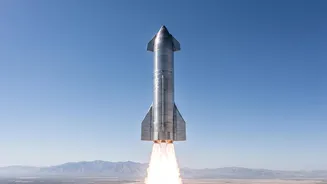
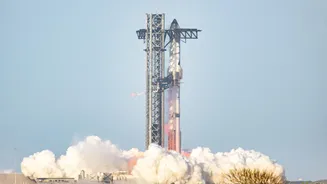
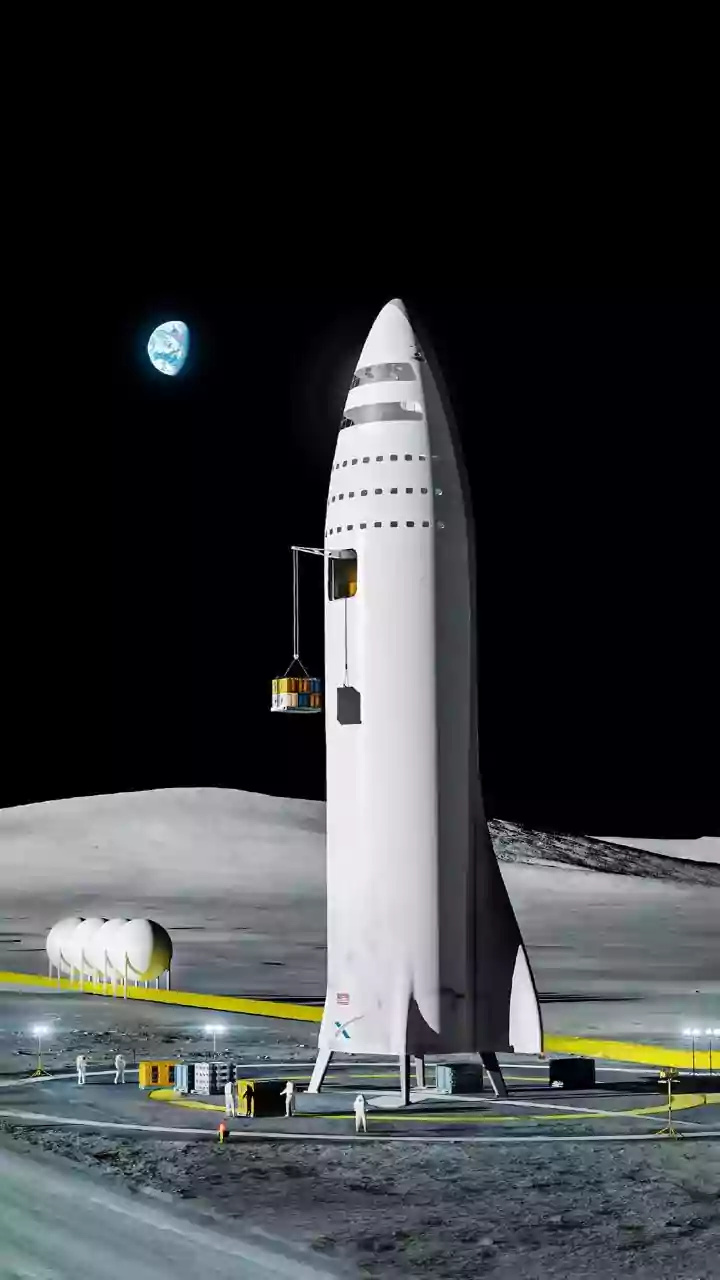
the next giant leap in space travel. Developed by Elon Musk's SpaceX, it is the tallest and most powerful rocket ever built. Designed to be fully and rapidly reusable, Starship consists of two parts: a massive first-stage booster called Super Heavy and the 165-foot-tall Starship spacecraft itself. The entire system stands at an awe-inspiring 397 feet. Its ultimate goal is to carry humans and cargo to the Moon, Mars, and beyond, potentially ushering in an era where interplanetary travel becomes routine. The key to this vision is reusability; by recovering and relaunching both stages, SpaceX aims to drastically reduce the cost of accessing space.
The Upcoming Mission: Flight 15
The next mission, dubbed Starship Flight 15, is scheduled for launch as early as November 14 (IST) from SpaceX's Starbase facility in Texas. This flight has incredibly ambitious goals. Not only will it be Starship's second operational mission, deploying 26 Starlink internet satellites into orbit, but it will also be the first time SpaceX attempts to recover both the Super Heavy booster and the Starship spacecraft at the launch site. After lifting off, the Super Heavy booster is expected to return for a landing, while the Starship spacecraft will continue into orbit. It plans to circle the Earth approximately 14 times over a mission lasting nearly 22 hours before it too returns for a landing attempt.
Starship's Path Over India
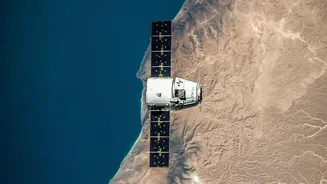
Due to its extended, multi-orbit flight plan, Starship will pass over Indian airspace multiple times. The flight path shows the spacecraft crossing over the subcontinent on several of its 14 planned orbits. This is a significant change from previous suborbital test flights, which typically ended with a splashdown in the Indian Ocean after less than an hour. Those previous missions involved a controlled water landing far from the coast. Flight 15's orbital trajectory, however, means the vehicle will be visible from the ground as it passes overhead at an altitude of around 275 kilometres. Skywatchers across the country will have a rare chance to see the massive vehicle as it silently glides across the sky.
How to Spot the Spacecraft
Since the mission is planned to last almost a full day, there will be opportunities to see Starship during both daytime and nighttime passes over India. During daylight hours, it will be difficult, if not impossible, to spot with the naked eye. The best viewing opportunities will come during passes that occur around dawn or dusk. In the dark, against a clear sky, Starship might be visible as a bright, fast-moving point of light, similar to the International Space Station but potentially appearing as a 'train' if the newly deployed Starlink satellites are flying in formation. Specific viewing times and locations will depend on the final, precise orbital path, which can be tracked using real_time telemetry apps and websites once the mission is underway. For this nearly 22_hour flight, many locations in the flight path will have an opportunity for dark skies with the ship overhead, making weather the primary variable for a good sighting.
Why This Flight Matters for India
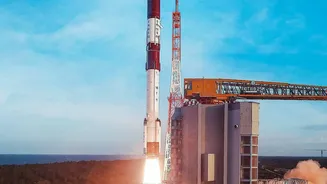
Beyond the spectacle of a flyover, this mission represents a major moment in the new space age. Starship's success is critical for NASA's Artemis program, which aims to return astronauts to the Moon, and for the future of commercial space exploration. For India, a nation with its own proud and ambitious space program through ISRO, the event is a powerful symbol of how rapidly the sector is evolving. It highlights the growing importance of reusable rocket technology, an area where global competition is intensifying. The regular passage of the world's most advanced spacecraft over Indian skies serves as both an inspiration and a reminder of the accelerating pace of innovation, pushing all nations, including India, to continue advancing their own capabilities in the final frontier.