




Why Humidity Is More Dangerous Than Dry Heat
Your body’s primary cooling system is sweat. In dry heat, perspiration evaporates quickly from the skin, taking heat with it and cooling you down. However, during the monsoon, the air is already saturated with moisture. This high humidity slows down or prevents
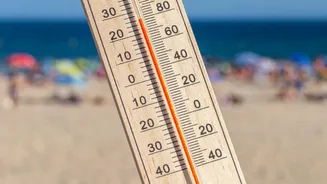
sweat from evaporating. As a result, your body has to work much harder to cool itself, but with less effect. You continue to sweat, losing fluids and essential salts, but you don't get the same cooling benefit. This physiological trap is why a 35°C day in a humid city can feel more dangerous and exhausting than a 40°C day in a dry one. The 'feels like' temperature, or heat index, becomes a more accurate measure of the stress on your body than the thermometer reading alone. This can rapidly lead to dehydration, heat exhaustion, and potentially fatal heatstroke.
Update Your Hydration Strategy
In humid weather, you lose more than just water; you lose critical electrolytes like sodium and potassium through sweat. Simply chugging plain water isn't always enough and can sometimes be counterproductive. It's crucial to replenish these lost salts. Instead of reaching for sugary soft drinks, which can worsen dehydration, incorporate electrolyte-rich options into your day. Traditional Indian choices like coconut water, nimbu paani (with a pinch of salt and sugar), and buttermilk (chaas) are excellent. Oral Rehydration Salts (ORS) are a vital resource to have at home, especially for children and the elderly. Additionally, you can 'eat' your water. Foods with high water content, such as watermelon, cucumber, tomatoes, and oranges, can significantly contribute to your daily fluid intake.
Dress for Evaporation and Airflow
The standard advice of wearing light-coloured, loose-fitting clothing still applies, but fabric choice becomes paramount during the monsoon. Synthetic materials like polyester and nylon are a poor choice as they trap moisture and heat against your skin. Instead, opt for natural, breathable fabrics. Lightweight cotton is the undisputed champion of humid weather, as it allows for better air circulation and absorbs sweat, helping it to evaporate, however slowly. The goal is to create an environment where any possible airflow can reach your skin. When at home, changing out of damp clothes immediately, even if they are only slightly sweaty, is a non-negotiable step to prevent both overheating and skin issues.
Ventilate, But Do It Smartly
Ventilation is a double-edged sword during the monsoon. While airflow is essential, opening windows can sometimes let in more hot, humid air. A smart strategy is to create cross-ventilation by opening windows on opposite sides of the house during cooler periods, like early mornings or late evenings. Use exhaust fans in kitchens and bathrooms to actively pull hot, moist air out of the house. During the day's peak heat, it might be better to close windows and draw curtains to keep the hotter air out and block direct sunlight, trapping cooler indoor air. For those with air conditioners, using them in 'dry' or 'dehumidify' mode can make a room comfortable without having to drastically lower the temperature.
Watch for the Hidden Dangers: Skin and Lungs
Humid heat isn't just about heatstroke. The constant dampness creates a perfect breeding ground for fungi and bacteria. Fungal infections like ringworm and athlete's foot become extremely common. Prevention is key: keep your skin, especially skin folds, as dry as possible. Using an antifungal powder after showering can be an effective preventive measure. The high moisture content in the air also affects respiratory health, as it can trap pollutants and allergens like dust mites and mould spores, triggering allergies and asthma. Ensuring your home is free from damp patches and mould growth is crucial. Don't stay in wet clothes, and take a shower after being caught in the rain to wash away potential irritants.
Adjust Your Timings and Intensity
Exercising outdoors during peak heat and humidity is extremely risky. Your heart is already working harder, and your body's cooling system is compromised. It is essential to adjust your routine. Shift workouts to the coolest parts of the day—either early in the morning before the sun gets strong or later in the evening after it has set. Listen to your body and reduce the intensity of your exercise. This is not the season to push for personal bests outdoors. If possible, consider moving your workout indoors to a climate-controlled or well-ventilated space. On extremely humid days, even simple household chores can be strenuous, so remember to take frequent breaks and stay hydrated.