






The Great Watering Rethink
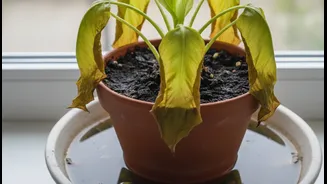
The single biggest danger during the monsoon is overwatering. With high humidity and frequent rain, the soil stays wet for much longer. Roots sitting in waterlogged soil can't get oxygen, leading to the dreaded root rot. Before you even think about watering,
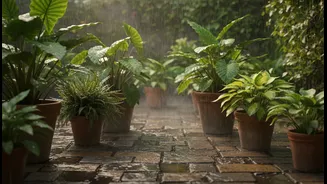
do the finger test: stick your finger an inch into the soil. If it feels moist, step away from the watering can. For both indoor and outdoor pots, excellent drainage is non-negotiable. Ensure every pot has drainage holes and that they aren't blocked. Elevating pots on bricks or stands can also help excess water escape freely. Terracotta pots are a great choice for this season as their porous nature helps wick away excess moisture, unlike plastic pots.
Let There Be (Enough) Light and Air
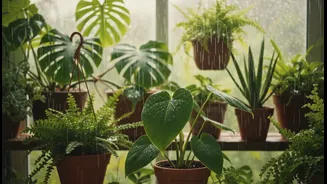
Grey, overcast skies mean significantly less sunlight for your plants. This can lead to slow, leggy growth as they stretch for light. To compensate, move your indoor plants closer to windows that receive the brightest indirect light. Rotating them every few days will ensure all sides get some exposure. Equally important is air circulation. The damp, still air of the monsoon is a perfect breeding ground for fungal diseases. Space your plants out to improve airflow between them. For indoor setups, a small fan running on low can work wonders to keep the air moving and prevent fungal issues like powdery mildew from taking hold.
Managing the Monsoon Pest Parade
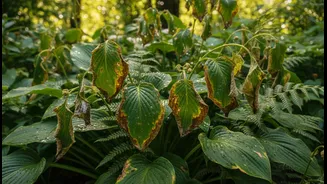
The warm, wet conditions that plants love are also adored by a host of pests and diseases. Slugs, snails, mealybugs, and aphids multiply rapidly in the moist environment. Fungal infections like root rot, powdery mildew, and leaf spot are also common concerns. The best defence is a good offense. Inspect your plants regularly, paying close attention to the undersides of leaves where pests love to hide. If you spot trouble, act fast. A weekly spray of organic neem oil can work as a fantastic preventative measure against both pests and fungi. Should you find pests, a simple solution of mild liquid soap and water can be effective in the early stages. Removing any dead or yellowing leaves promptly also reduces potential breeding grounds for disease.
A Time for Pruning, Not Feasting
The monsoon is an excellent time for a trim. Pruning overgrown or dead branches not only shapes your plant but also improves air circulation, which is crucial for preventing fungal infections. It also helps prevent branches from breaking under the weight of heavy rain or strong winds. When it comes to feeding, however, less is more. Most plants slow their growth during the cloudy days of the monsoon. Heavy rains can also wash away nutrients from the soil too quickly. Fertilizing wet soil can lead to root burn. It's best to reduce the frequency of fertilizing or hold off entirely until there's a dry spell. If you do fertilize, opt for a light, water-soluble feed and apply it sparingly.
Special Care for the Vulnerable
Not all plants greet the monsoon with the same enthusiasm. Succulents, cacti, and other desert dwellers are particularly susceptible to rot in high-humidity conditions. For these plants, shelter is key. Move them to a covered balcony or a spot indoors where they are protected from direct rain. Water them very sparingly, only when the soil is completely dry to the touch. For particularly delicate plants, creating a more airy soil mix by adding sand or cocopeat can significantly improve drainage and prevent water from lingering around the roots.