



In the kingdom of tropical fruits, mango and papaya hold court as two of India’s most beloved treasures. One is the undisputed 'King of Fruits', the other is hailed as the 'Fruit of the Angels'. But how do they really stack up against each other?
The Tale of the Tape: Appearance and Taste
At first
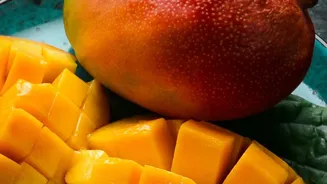
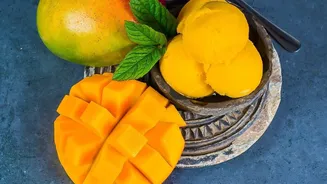
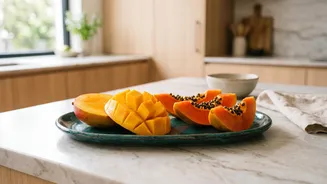
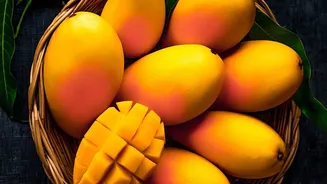
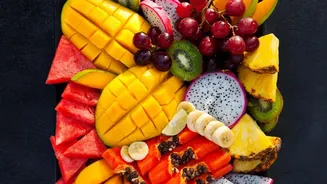
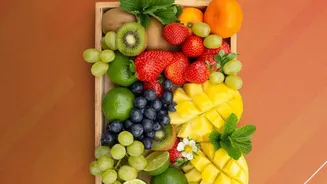
glance, mangoes and papayas are both vibrant, sunny-hued fruits that promise a taste of the tropics. But that's where the similarities end. The mango, with its familiar kidney shape and skin blushing from green to yellow and red, holds a single large, flat seed. Its flesh is golden, fibrous, and bursts with an intensely sweet and sometimes tangy flavour, carrying floral and even slightly piney notes. Papaya, on the other hand, is larger and more oblong, with yellow-green skin. Cutting it open reveals a hollow centre filled with a cluster of shiny, black, peppery seeds. The flesh is a soft, buttery orange with a milder, musky sweetness that many liken to melon.
A Nutritional Showdown
Both fruits are nutritional powerhouses, but they excel in different areas. If you're watching your sugar intake, papaya is the clear winner, containing significantly less sugar and fewer calories than mango per 100 grams. However, mango delivers a much bigger punch of Vitamin A (as beta-carotene), which is crucial for eye and skin health. When it comes to Vitamin C, an essential immune booster, papaya takes the lead, offering a higher concentration than mango. Both fruits provide a good amount of dietary fibre, which aids digestion and promotes a feeling of fullness. Mango also boasts higher levels of folate and Vitamin E.
The Secret Weapons: Papain and Mangiferin
Beyond basic vitamins, each fruit has a unique compound that sets it apart. Papaya is famous for papain, a proteolytic enzyme concentrated in the unripe fruit. This enzyme is so effective at breaking down protein that it’s been used as a natural meat tenderizer for centuries and is celebrated for its ability to aid digestion, particularly after a heavy meal. Mango's secret weapon is mangiferin, a potent antioxidant found in various parts of the plant. Research suggests mangiferin has powerful anti-inflammatory, antidiabetic, and immunomodulatory properties, contributing to mango's reputation as a superfruit.
Mango in the Kitchen
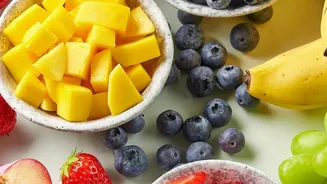
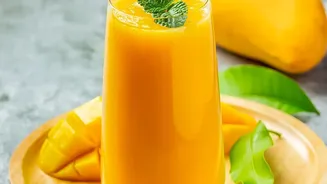
Mango’s rich, complex sweetness makes it incredibly versatile. During its peak season, it’s a star in its own right, enjoyed fresh or as the base for the iconic aamras. It can be blended into refreshing lassis, churned into kulfi and ice cream, or cooked down into sweet and spicy chutneys and pickles (achaar) that pair beautifully with savoury meals. Its firm texture holds up well in fresh salads, adding a burst of tropical flavour. Unripe, or 'kairi', mango is a sour, tangy delight used to make cooling summer drinks like aam panna and as a souring agent in dals and curries.
Making the Most of Papaya
Papaya’s softer, creamier texture and milder flavour make it a breakfast favourite, often served simply with a squeeze of lime to brighten its taste. It blends beautifully into smoothies and makes a luscious base for fruit salads and dessert bowls. But don't overlook its savoury applications. Green, unripe papaya has a neutral taste and crisp texture, making it a perfect ingredient for salads, like the famous Thai Som Tam, where it soaks up the dressing. Because of the enzyme papain, unripe papaya is also a fantastic natural tenderizer for meats and can be cooked into curries and stews, where it adopts the surrounding flavours.