





A Tradition Steeped in Purity
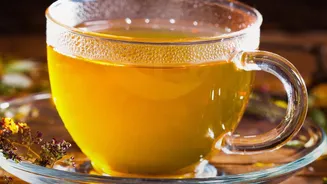
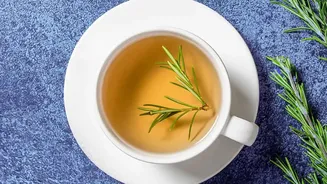
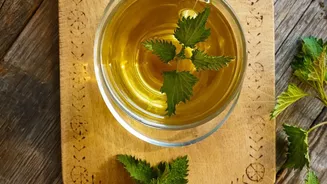
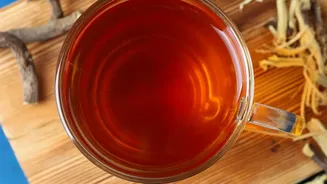
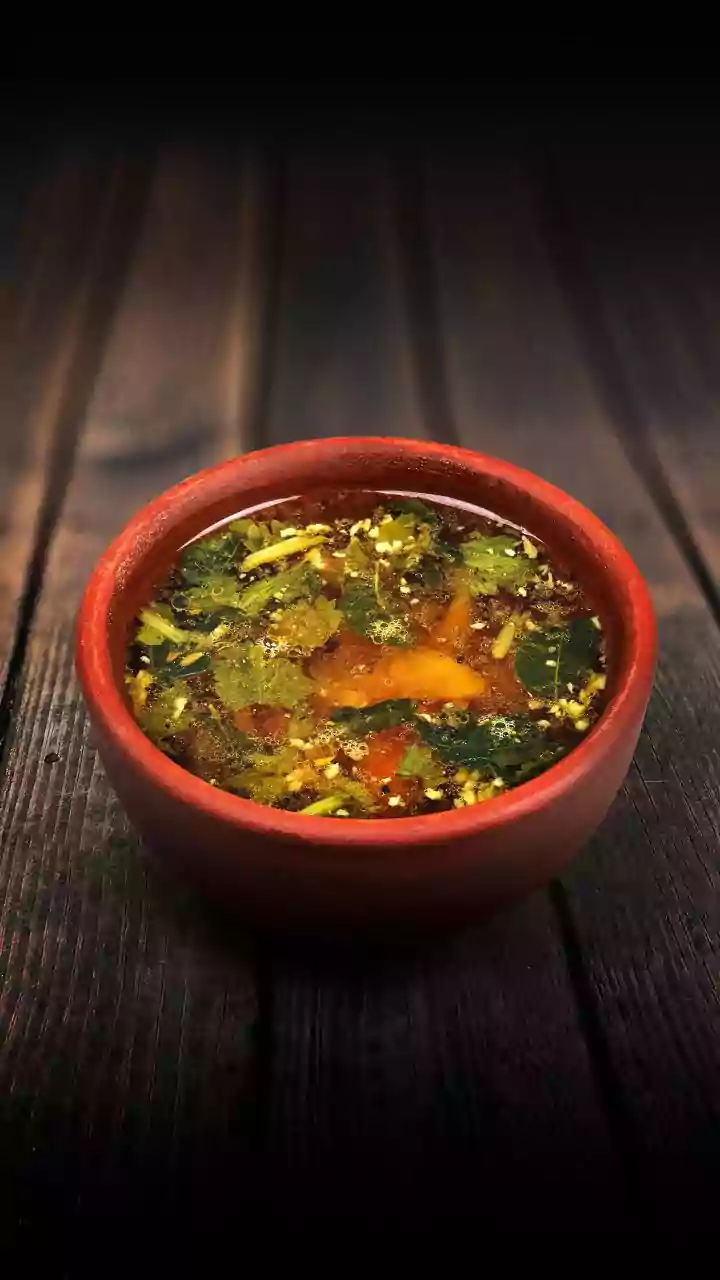
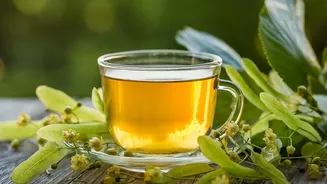
For centuries, communities across the Himalayas have brewed infusions not just from tea leaves, but from the wealth of botanicals growing wild around them. This includes herbs like tulsi (holy basil), mint, and nettle, as well as the flowers of the rhododendron
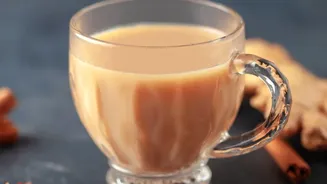
tree, the state tree of Uttarakhand. The tradition is rooted in a philosophy of appreciating the unadulterated essence of the plant. Unlike the strong, often astringent CTC (Crush, Tear, Curl) teas that pair well with milk and sugar, many Himalayan teas, like those from Kangra, are prized for their delicate, nuanced flavours. Adding milk, a practice popularised with robust British-style black teas, would be seen as masking the very qualities that make these infusions special. It's a culture of tasting the 'terroir'—the unique taste of the mountains in a cup.
Unlocking Deep Earthy Aromas
The decision to forego milk is fundamentally a sensory one. Milk contains proteins and fats that can bind with the phenolic compounds, like tannins, in tea. While this softens the astringency in strong black teas, it also blankets the more subtle aromatic notes. High-altitude teas, such as the orthodox-processed leaves from Himachal Pradesh's Kangra Valley, are renowned for their complex profiles—often described as having delicate floral, fruity, woody, and mineral notes. Kangra green tea is known for its woody aroma, while its black tea has a sweet, lingering aftertaste. Serving them plain allows these intricate aromas to unfurl, offering a cleaner, more direct experience of the leaf's character, shaped by the high-altitude air and mineral-rich soil.
A Powerhouse of Healthy Bioflavonoids
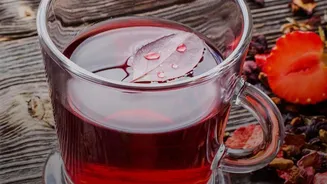
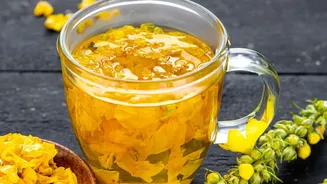
Beyond flavour, there is a compelling wellness reason to enjoy these infusions as is. Many Himalayan plants are exceptionally rich in bioflavonoids—plant compounds known for their powerful antioxidant and anti-inflammatory properties. Teas and herbal infusions are a primary source of these beneficial molecules, which are linked to reduced risks of heart disease and stroke. Local infusions made from rhododendron (buransh) flowers are packed with flavonoids and traditionally used to aid digestion, reduce inflammation, and support heart health. Similarly, sea buckthorn tea, made from a hardy Himalayan shrub, is loaded with antioxidants and vitamins, and has been used for centuries to boost immunity and gut health. The gentle, traditional processing of these leaves and herbs helps preserve these delicate but potent compounds.
Does Milk Block the Benefits?
The headline claim that milk is avoided to preserve bioflavonoids is a topic of scientific debate. The concern is that milk proteins, particularly casein, could bind with flavonoids like catechins in tea, potentially reducing their absorption by the body. Some studies have indeed suggested that adding milk can decrease the bioavailability of these antioxidants. However, other research has found no significant effect. One prominent 2001 study concluded that the addition of milk to black tea did not affect the absorption of the flavonols quercetin and kaempferol. More recent analysis notes that while some interactions occur, milk proteins might also help transport certain catechins through the digestive system. So, while the science isn't fully settled, the cultural and flavour-based reasons for avoiding milk in delicate Himalayan teas remain paramount.