






The Cloud's Staggering Electric Bill
The research, published in 'Nature Sustainability', provides one of the first detailed, facility-level estimates of the environmental footprint of 'hyperscale' data centers—the sprawling, football-field-sized facilities that power big tech and AI. Between
May 2024 and April 2025, these 403 centers alone consumed an estimated 82 terawatt-hours (TWh) of electricity. To put that in perspective, that's roughly 1.8% of the entire U.S. electricity consumption, comparable to the annual energy use of an entire state like Missouri or a country like Denmark. This massive energy draw resulted in approximately 25.7 million metric tons of carbon dioxide emissions, an amount similar to Denmark's total annual output.
Why Our Digital Lives Are So Power-Hungry
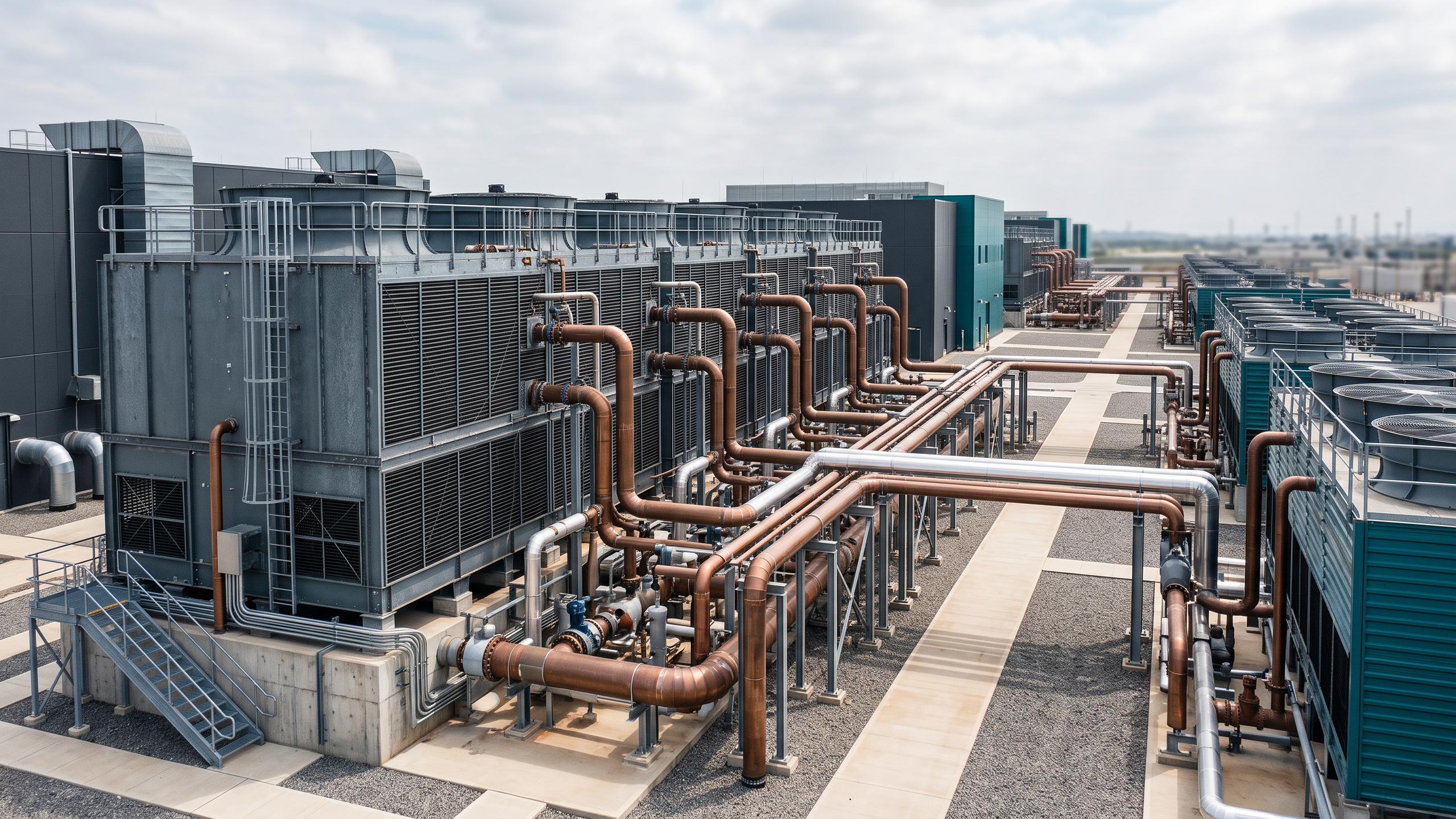
Data centers are essentially factories that never sleep. They house tens of thousands of computer servers that process, store, and move the vast amounts of data behind our modern lives. This computational work consumes enormous amounts of electricity. Just as importantly, it generates a tremendous amount of heat. To prevent the servers from overheating and failing, extensive and power-intensive cooling systems must run around the clock, which can account for over 40% of a facility's total electricity use. With the explosive growth of artificial intelligence, which requires even more intense computation, the energy demand from data centers is projected to more than double by 2030.
Location, Location, Location: The Grid Problem
A key finding from the Harvard study is that not all data centers have the same environmental impact. The carbon footprint depends heavily on the source of electricity. The study revealed that over half of the electricity powering these 403 centers came from burning fossil fuels, primarily natural gas and coal. Consequently, the emissions impact varies dramatically by state. Just four states—Virginia, Oregon, Ohio, and Iowa—accounted for more than half of the total electricity consumption studied. However, Oregon, which relies more on cleaner hydropower, had significantly lower emissions for its energy use compared to states like Iowa and Virginia, where the electrical grids are more carbon-intensive. This shows that for the same amount of data processing, a data center's location can change its CO2 output by a factor of seven.
A Snapshot of a Rapidly Growing Industry
As staggering as these figures are, the researchers warn that they are likely an underestimate. The study's lead author, Gianluca Guidi, noted that the data period ended in April 2025, which he called 'ancient history' in the fast-moving world of AI. Since then, the data center boom has only accelerated, with hundreds more facilities planned or under construction. The lack of public disclosure and federal reporting requirements on energy use meant the researchers had to perform extensive 'detective work', using commercial databases and satellite imagery to identify the centers and model their consumption. This highlights a critical need for greater transparency to accurately track the sector's growing impact.
The Path to Greener Computing
The study underscores that the digital world has a very real, physical footprint. As society's reliance on cloud computing and AI grows, so does the strain on our energy grids and environment. While major tech companies have made public commitments to carbon neutrality and are investing in renewable energy sources, the research shows a significant gap between these pledges and the current reality of a fossil-fuel-powered internet. The findings provide crucial, independent data for policymakers and communities grappling with the trade-offs of data center development. Moving forward, the key to mitigating this environmental impact will involve both improving the energy efficiency of the centers themselves and, more importantly, accelerating the transition to cleaner, renewable energy on the grids that power them.