






Power Up with Protein
Protein is the cornerstone of a fitness-focused breakfast. It's essential for repairing and building muscle, especially after a morning workout. More importantly, it promotes satiety, keeping you full and focused until lunch, which helps prevent mindless
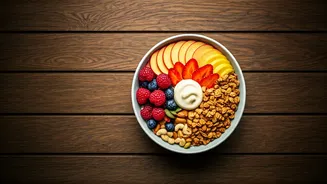
snacking on high-sugar treats. Instead of starting your day with a simple carbohydrate rush from toast with jam, aim for at least 20-30 grams of protein. Think beyond just a couple of eggs. A bowl of Greek yogurt topped with nuts, a tofu scramble with turmeric and black pepper, or a smoothie blended with a quality protein powder are all excellent ways to hit your morning protein target. This single change can revolutionise your energy levels and support your body composition goals, whether you're looking to build strength or manage your weight.
Swap Simple Carbs for Complex Ones
Carbohydrates are not the enemy; they are your body's preferred source of fuel. The key is choosing the right kind. Simple carbs, like those in white bread, pastries, and many packaged breakfast cereals, are digested quickly, leading to a rapid spike in blood sugar followed by a crash that leaves you feeling sluggish. Complex carbohydrates, on the other hand, are packed with fibre and break down slowly, providing a steady, sustained release of energy. This is exactly what you need to power through your morning meetings or a tough workout. Make the switch to rolled oats, quinoa porridge, whole-wheat roti, or a slice of dense, seeded whole-grain toast. These options not only provide lasting energy but also contribute to better digestive health.
Don't Fear Healthy Fats
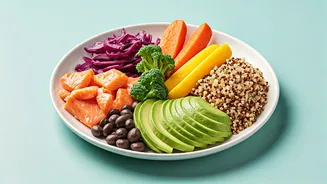
For decades, fat was unfairly villainised, but we now know that healthy fats are crucial for overall health, brain function, and hormone regulation. Including a source of healthy fat in your breakfast will also increase feelings of fullness and make your meal more satisfying. They help slow down digestion, contributing to that steady energy release we're aiming for. Great morning sources include a quarter of an avocado sliced over your eggs, a tablespoon of chia seeds or flax seeds stirred into your oatmeal or yogurt, or a handful of almonds or walnuts on the side. These fats provide essential fatty acids, like omega-3s, that your body can't produce on its own and are vital for reducing inflammation.
Add a Burst of Colour
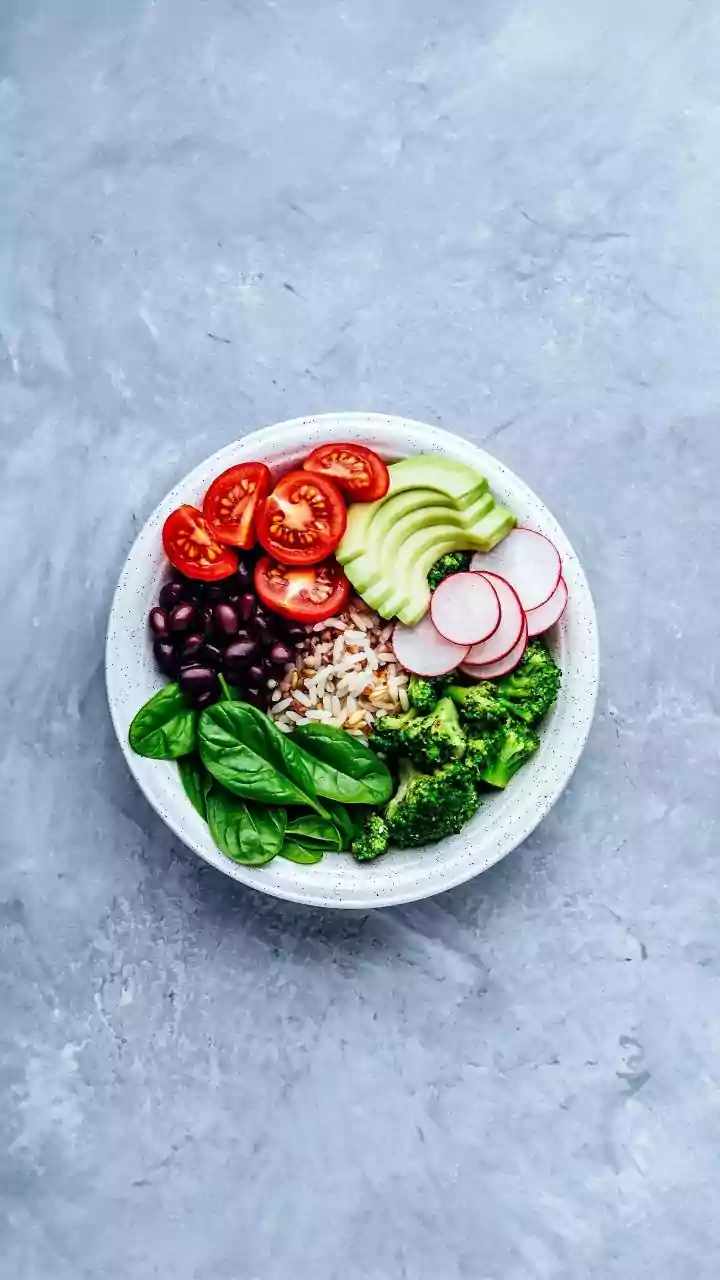
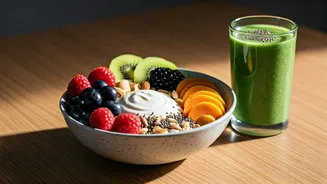
A truly upgraded breakfast is one that's rich in micronutrients—the vitamins, minerals, and antioxidants that support everything from your immune system to your cellular health. The easiest way to ensure you're getting them is to add colour to your plate with fruits and vegetables. Berries are a fantastic low-sugar option packed with antioxidants. Throw a handful into your smoothie or on top of your yogurt. You can also add a handful of spinach or kale to your morning smoothie—you won't even taste it, but you'll get a powerful dose of iron, calcium, and vitamins. Finely chopped vegetables like bell peppers, onions, and mushrooms can be easily added to omelettes or a tofu scramble for an extra boost of fibre and nutrients without a lot of calories.
Rethink Your Morning Drink
What you drink is just as important as what you eat. Many people sabotage their otherwise healthy breakfast with a glass of packaged fruit juice or a fancy coffee drink loaded with sugar and syrups. Packaged juices are often stripped of fibre and are little more than sugar water, leading to the same energy crash as a pastry. A large caramel latte can contain as much sugar as a can of cola. Instead, start your day with a large glass of water to rehydrate. If you enjoy coffee or tea, try drinking them black or with just a splash of milk. This allows you to get the caffeine boost without the unnecessary calories and sugar, keeping your energy levels stable and your fitness goals on track.