




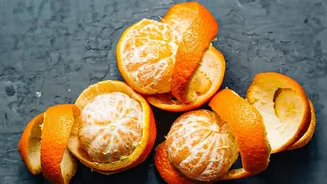
Embrace the Whole Orange
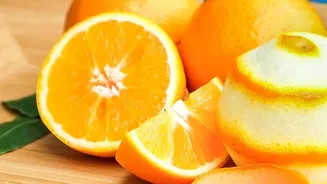
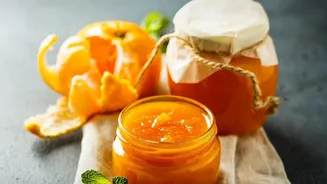
A true zero-waste approach to marmalade means using every part of the orange. Commercial citrus is often coated in wax, so start by scrubbing your organic or unwaxed oranges thoroughly. The vibrant outer peel provides the essential oils and characteristic
bitter zest. The white layer underneath, known as the pith, is rich in natural pectin, the substance that helps your marmalade set into a perfect gel. Even the seeds can be bundled in cheesecloth and added during cooking to extract extra pectin, ensuring a firm set without commercial additives. Finally, the juicy flesh and any collected juice form the sweet, fruity base of your preserve.
Mastering the Method
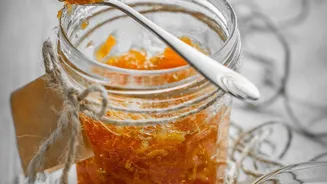
The core technique for whole-fruit marmalade is straightforward. Begin by slicing your clean oranges thinly or chopping them, depending on your preferred texture. To reduce some of the pith's bitterness, a common hack is to boil the fruit or peels, discard the water, and repeat the process a couple of times. After this initial preparation, combine the fruit with water and simmer until the peels are tender, which can take anywhere from 45 to 90 minutes. This slow softening is crucial for a pleasant texture in the final product.
A Healthier, Low-Sugar Approach
Traditional marmalade recipes can call for a staggering amount of sugar, often in equal measure to the fruit. For a healthier alternative, you can significantly reduce the sugar content. Some recipes suggest using honey as a substitute or simply cutting the amount of granulated sugar. When using less sugar, you may need to cook the marmalade a bit longer to achieve the right consistency. For those looking for a truly low-sugar version, using a special pectin formulated for low-sugar recipes is an effective option that guarantees a good set without relying on sugar for structure. This allows the natural sweetness and zesty bitterness of the oranges to shine through.
Flavour-Boosting Hacks
While classic orange marmalade is a delight on its own, a few simple additions can elevate it. A squeeze of lemon juice not only brightens the flavour but also adds pectin, aiding the gelling process. For a touch of warmth, consider adding whole spices like a star anise or a cinnamon stick to the pot while it simmers. One adventurous hack involves adding a few drops of hot sauce and a splash of apple cider vinegar at the end of cooking. This doesn't make the marmalade spicy; instead, it adds a surprising depth and complexity that balances the sweetness beautifully.
Proper Storage for Lasting Flavour
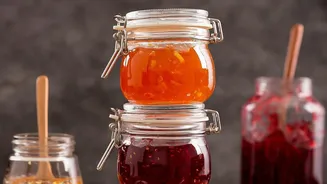
To enjoy your zero-waste creation for months to come, proper storage is key. The most reliable method is water bath canning. This involves filling clean, sterilized jars with the hot marmalade, leaving a small amount of headspace at the top. After wiping the rims and sealing the jars, they are processed in boiling water for about 10 minutes. This creates a vacuum seal that preserves the marmalade. If you don't plan to can, the marmalade can be stored in clean jars in the refrigerator for several weeks. Because sugar is a preservative, lower-sugar versions will have a shorter refrigerator life than their traditional counterparts.