



The Harsh Reality for Rocky Worlds
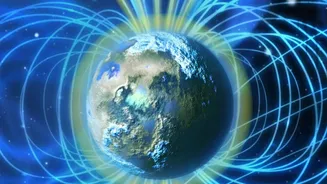
For a planet to host life as we know it, an atmosphere is considered a crucial ingredient. It provides stable pressures, shields the surface from harmful radiation, and regulates temperature. However, many rocky exoplanets orbit perilously close to their
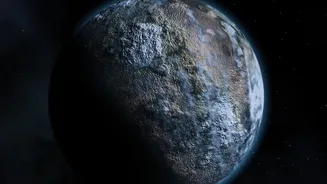
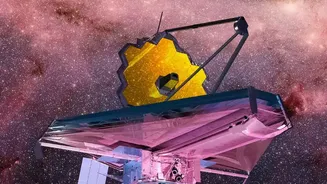
stars. This proximity exposes them to intense stellar winds and radiation that can strip away their primordial, hydrogen-and-helium-rich atmospheres over millions of years. This process, known as atmospheric escape, was long seen as a major obstacle, potentially leaving countless worlds as barren, airless rocks. Observations of systems like TRAPPIST-1, which orbits a volatile red dwarf star, have supported this concern. JWST analysis of the planet TRAPPIST-1 c showed it has, at best, a very thin atmosphere, ruling out the thick, Venus-like envelope some scientists had predicted. This finding underscored the challenge many rocky worlds face in holding onto their air.
A Second Chance at an Atmosphere
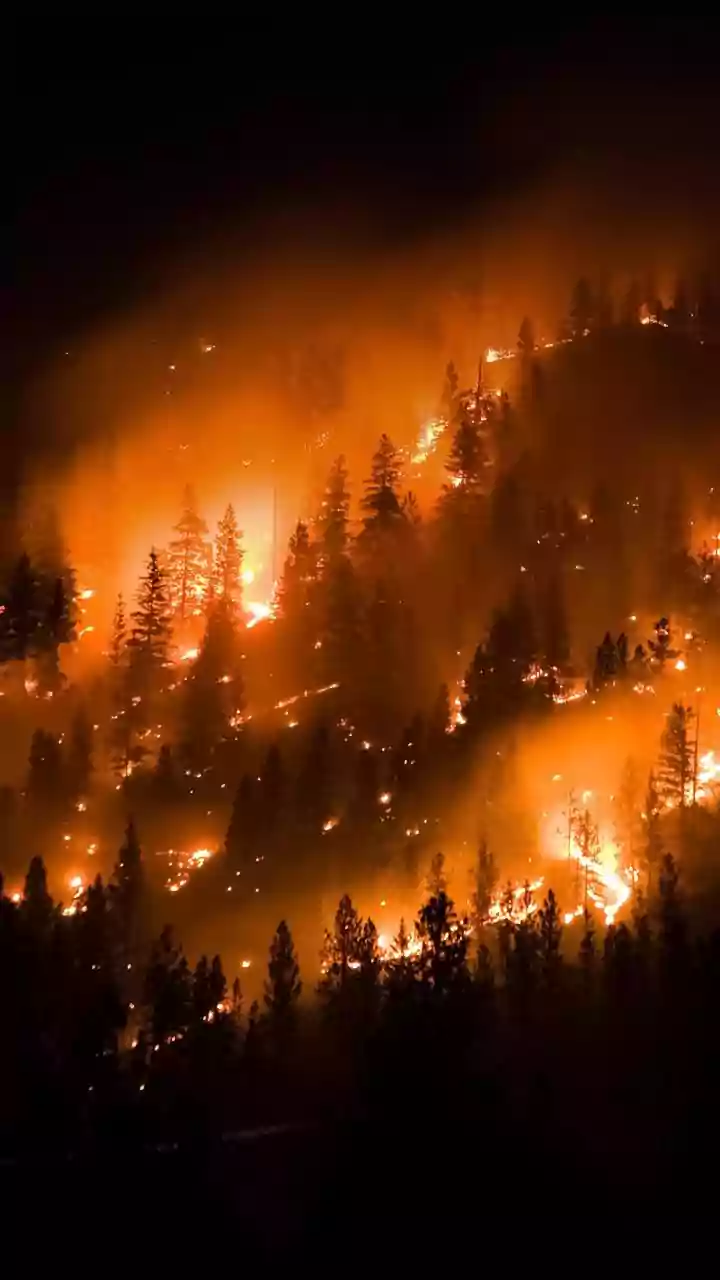
Just because a planet loses its first atmosphere doesn't mean it's out of the game. The new and exciting possibility that JWST is helping to confirm is the existence of 'secondary atmospheres.' These are atmospheres that are not original to the planet but are instead generated from within, long after the initial envelope has been blasted into space. The leading theory is that intense heat from a planet’s molten interior can cause gases to bubble up and be released through widespread volcanic activity. This 'outgassing' could replenish the atmosphere with heavier molecules like carbon dioxide, carbon monoxide, and water vapor, which are harder for stellar winds to strip away. This changes the narrative from a simple story of loss to a dynamic battle between a star’s destructive power and a planet’s own geological ability to regenerate its protective blanket.
What Webb Actually Detected
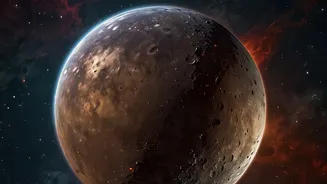
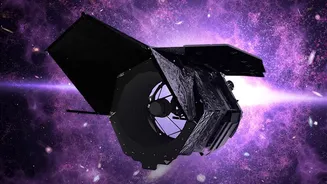
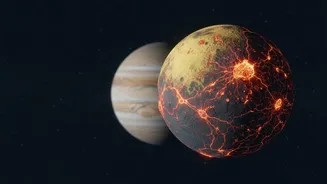
The most compelling evidence for a secondary atmosphere comes from the super-Earth 55 Cancri e. This planet is a scorching world, orbiting its star so closely that its surface is likely a bubbling ocean of magma. Logic suggested it should be a bare rock. Yet, in 2024, researchers using JWST found the best evidence to date for an atmosphere around a rocky exoplanet. The data pointed towards a substantial atmosphere rich in gases like carbon dioxide or carbon monoxide. The team concluded that this atmosphere is likely a secondary one, constantly being fed by gases from the planet’s massive magma ocean below. While 55 Cancri e is far too hot to be habitable, this discovery is a monumental proof-of-concept. It shows that even under extreme conditions, a rocky planet can maintain a significant atmosphere if its internal engine is active enough.
Redefining the 'Habitable Zone'
These findings are revolutionizing what scientists call the 'habitable zone'—the orbital ring around a star where temperatures could allow liquid water to exist on a planet's surface. Traditionally, this was mostly a function of distance. But the JWST's work suggests habitability is far more complex. A planet might be in the perfect location, but if it's not geologically active enough to produce and sustain a secondary atmosphere, it could still be a dead world. Conversely, a planet that suffered intense atmospheric stripping early in its life might still become habitable later if volcanism kicks in. This adds a crucial new dimension to the search for life: a planet’s internal life is just as important as its position in space. The ideal candidate for life may be a world that not only resides in a temperate zone but also possesses the geological resilience to fight for its own atmosphere.