






A World Washed New
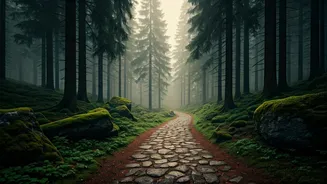
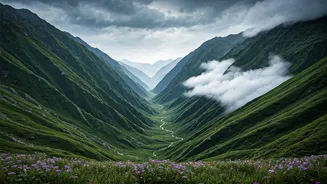
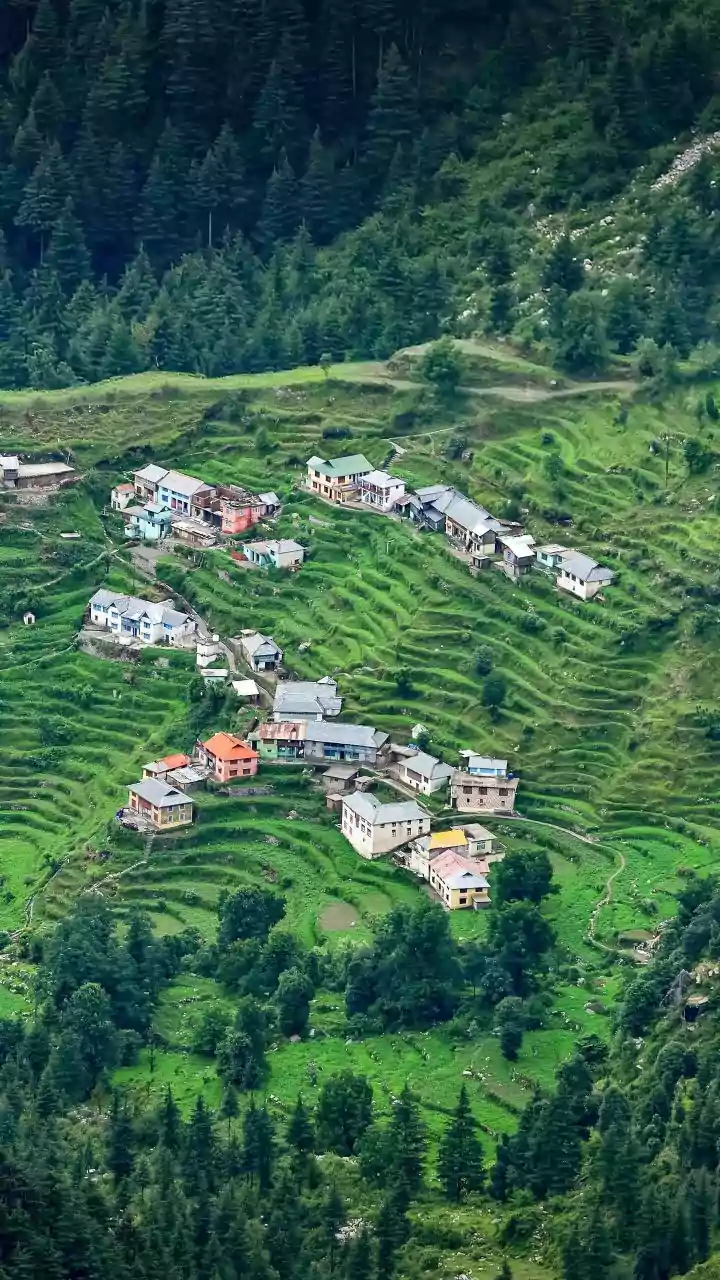
The first drops of rain transform the mountain landscape. Dust settles, and colours deepen into vibrant, impossible shades of green. In India, from the Western Ghats to the Himalayan foothills, the monsoon is a season of dramatic renewal. [4, 10] Temporary
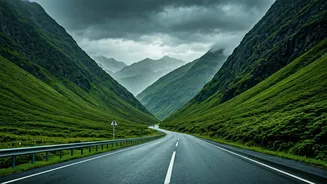
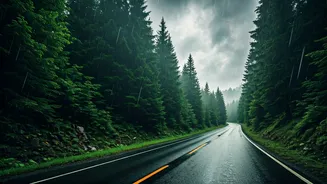
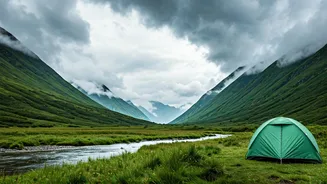
waterfalls, non-existent just hours before, cascade down dark rock faces. [14] Clouds descend from the heavens, drifting across the road and wrapping the world in a soft, grey blanket, turning a familiar route into a mysterious and uncertain journey. [17, 25] The drive becomes less about the destination and more about the journey itself, where every turn reveals a landscape that feels both ancient and brand new. [4] This visual feast is the first layer of the magic, a quiet spectacle unfolding right outside your car window.
A Symphony for the Senses
A rainy mountain drive is a full sensory immersion. The rhythmic patter of raindrops on the roof creates a natural form of white or pink noise, sounds known to mask jarring noises and lull the brain into a state of relaxation. [13, 15] Then there is the smell. That beloved earthy scent after the first rain, known as petrichor, has a name rooted in Greek mythology: 'petra' for stone and 'ichor' for the fluid of the gods. [2, 5] This fragrance is caused by a compound called geosmin, released from soil bacteria when rain hits dry ground. [2] Humans are incredibly sensitive to it, and studies suggest it can reduce stress, enhance mood, and evoke powerful feelings of nostalgia and comfort. [3, 8, 12] This connection might even be evolutionary, signaling the life-giving arrival of water. [12]
The Psychology of a Cozy Cocoon
There's a profound psychological comfort to being in a car during a downpour. The vehicle becomes a safe, warm cocoon, a mobile shelter moving through a beautifully chaotic world. [11] This contrast between the wild weather outside and the secure comfort inside creates a potent feeling of security and peace. Psychologists suggest that the sounds and sights of rain can trigger a conditioned response, reminding us of quiet, cozy moments spent indoors. [7, 9] This feeling is amplified in the mountains, where the grandeur of nature makes the shelter of your car feel even more intimate. It’s a moment of forced mindfulness; the conditions demand your focus, sharpening your concentration and pulling you firmly into the present. [24]
The Romance of the Roadside Stop
The magic isn't confined to the car. In India, a monsoon drive is punctuated by essential, soul-warming pit stops. Pulling over at a roadside stall as mist swirls around you for a steaming cup of chai and hot bhajiyas or bhutta is a core part of the experience. [4, 14] These humble stops offer more than just sustenance; they are sensory havens. They provide a moment to pause, to breathe in the fresh, rain-washed air, and to watch the theatre of the clouds. In regions like the ghats of Maharashtra or the hills of Kerala, these stops are as iconic as the drive itself, offering a taste of local life and a moment of shared human connection against a backdrop of breathtaking natural beauty. [14, 18]
A Note on Navigating the Magic
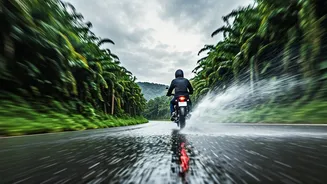
As enchanting as a rainy mountain drive is, it demands respect and caution. The very conditions that create the beauty—rain, fog, and mist—also create hazards. Wet roads are slippery, and visibility can drop to near zero in seconds. [6, 14] Before setting out, it's crucial to ensure your vehicle is ready, with functional wipers, headlights, and brakes, and tyres with good tread. [6, 22] On the road, slow down, maintain a safe distance from other vehicles, and use your horn on blind curves. [19, 26] Using low-beam headlights, even during the day, increases your visibility to others. [26] In mountainous regions, it's also wise to be aware of the increased risk of landslides or falling rocks and avoid driving on loose, muddy patches. [22, 29] Safety doesn't detract from the magic; it ensures you can enjoy it fully.