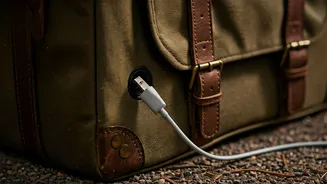









The False Promise of Smart Luggage
A few years ago, the travel industry was buzzing with the concept of “smart luggage.” These bags, equipped with built-in USB ports, lithium-ion battery packs, and sometimes even GPS trackers, promised to solve the modern traveller’s anxieties. Need a top-up
on your phone before boarding? Your bag has you covered. Worried the airline lost your suitcase? Just check the app. On paper, it sounded like the future. In practice, it introduced more problems than it solved. These integrated systems represent a fundamental misunderstanding of what makes good luggage. Great luggage is durable, lightweight, and invisible; it’s a tool that serves you without demanding attention. Smart luggage, however, demands charging, risks breakage, and adds a point of failure to a product that should have none.
Why Simplicity Is the Ultimate Upgrade
The phrase “clean mountain luggage” in the headline isn’t just about aesthetics; it’s about a philosophy. It evokes gear that is rugged, reliable, and free of unnecessary complications. Think of a classic hiking pack or a durable duffel bag—its value lies in its robust materials and simple, functional design, not its features list. By removing digital components, you gain far more than you lose. You gain durability, as there are no delicate electronics to break. You gain a lighter bag, as you aren't hauling a battery pack and wiring you may not even use. Most importantly, you gain peace of mind. A simple, 'dumb' bag is future-proof. It won't become obsolete when a new charging standard arrives, and its core function will never be compromised by a dead battery or a faulty port. The smartest feature a piece of luggage can have is its ability to reliably carry your belongings without adding to your travel stress.
The Airline Battery Problem
The single biggest nail in the coffin for much of the smart luggage trend came from the airlines themselves. Following concerns about the fire risk of lithium-ion batteries in cargo holds, aviation authorities around the world implemented strict rules. If your bag has a lithium-ion battery, it must typically be removable. If it’s not, you cannot check the bag. This created a travel nightmare. Passengers would arrive at the airport only to be told their expensive smart suitcase couldn’t be checked in unless they could perform impromptu surgery at the check-in counter. Even for carry-on luggage, non-removable batteries present a problem. The logical, and far more flexible, solution has always been the same: carry a separate, high-quality portable power bank. It’s a device you can take with you on the plane, use at your destination, and easily replace or upgrade without having to throw out your entire suitcase.
Performing a DIY Port-ectomy
So what if you’re already stuck with one of these bags? If the electronics are causing you more grief than good, a DIY removal might be an option, but proceed with caution. Start by examining how the port is installed. Often, it's a plastic housing held in by a few small screws from inside the lining. If you're lucky, you can simply unscrew the unit, disconnect the cable, and remove the entire assembly. You might be left with a small hole you can patch with a tough gear-repair patch (like Tenacious Tape) from the inside and outside. However, some ports are integrated more permanently, moulded into the shell or sewn tightly behind linings. Attempting to pry these out can damage the bag's structure or waterproofing. Before you start cutting, weigh the risk. If the port is truly annoying, and you're not afraid of a slightly imperfect cosmetic finish, it can be a liberating project. Just remember, any modification is likely to void your luggage warranty.
Choosing a Better, Dumber Bag
Going forward, the best strategy is avoidance. When shopping for new luggage, treat built-in electronics as a negative feature, not a positive one. Look for brands that prioritise material quality, durable zippers, and strong, lightweight wheels over digital gimmicks. The most respected names in travel gear often focus on these fundamentals. Ask yourself: Is this bag easy to repair? Are the materials known for their longevity? Is the design simple and functional? By prioritising these questions, you’ll invest in a travel companion that will last for years, if not decades. You’ll sidestep the cycle of tech obsolescence and the hassle of airline regulations, freeing yourself to focus on the journey itself.