






A Modern Thirst for Tradition
As more people move away from sugary, artificial beverages, there's a growing appreciation for natural, wholesome alternatives. This has led to a rediscovery of India's botanical treasures. Kokum and jamun, fruits deeply rooted in Indian culinary and Ayurvedic
traditions, are now at the forefront of a wellness movement. Instead of being boiled into sugary syrups or sherbets, they are being reimagined in their purest form, offering hydration and health benefits without the sugar rush. This approach celebrates the fruit's intrinsic flavour and nutritional profile, aligning perfectly with a modern desire for clean, functional foods.
The Science of Cold Steeping
So, what is cold steeping? Unlike hot brewing, which uses heat to quickly extract flavour, cold steeping involves immersing fruits in cold or room-temperature water for an extended period, typically from a few hours to overnight. This gentle, slow infusion has several advantages. It extracts the delicate flavours and water-soluble nutrients of the fruit without drawing out the bitterness and tannins that heat can release. The result is a smoother, naturally sweeter, and more refreshing drink. This method also helps preserve heat-sensitive vitamins and antioxidants that might be diminished during cooking, ensuring you get the maximum nutritional benefit from the ingredients.
The Cooling Power of Kokum
Kokum, or Garcinia indica, is a prized fruit from India's Western Ghats, long celebrated for its cooling properties. Traditionally used to make refreshing drinks to combat summer heat, kokum is a natural powerhouse. It is known to aid digestion, alleviate acidity, and replenish electrolytes lost through sweating. The fruit is also rich in antioxidants, particularly garcinol, which helps combat cellular damage. Cold steeping dried kokum rinds allows their tangy flavour and impressive health benefits to infuse the water slowly, creating a drink that not only cools the body but also supports gut health and provides antioxidant protection.
Jamun's Juicy Advantages
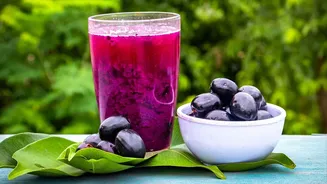
Jamun, also known as Java plum or Indian blackberry, is another seasonal favourite with a long history in traditional medicine. It is particularly noted for its benefits in managing blood sugar levels. Compounds in jamun, like jamboline and jambosine, are believed to slow the rate at which sugar is released into the bloodstream. The fruit is also a great source of Vitamin C, iron, and antioxidants, which help purify the blood and boost immunity. When steeped, fresh or frozen jamun imparts a beautiful deep purple hue and a unique sweet-tart flavour to the water. This makes it an excellent choice for a naturally low-sugar beverage that can be particularly beneficial for those monitoring their sugar intake.
How to Make Your Own Infusions
Creating these healthy drinks at home is incredibly simple. You don’t need any special equipment, just a glass jar or pitcher. For a Kokum Infusion: Take 5-6 dried kokum rinds and rinse them. Place them in a one-litre jar of cool, filtered water. You can also add a sprig of mint or a thin slice of ginger for extra flavour. Let it steep in the refrigerator for at least 4-6 hours, or overnight for a stronger taste. The water will turn a lovely pinkish-red. You can add a pinch of black salt or roasted cumin powder before serving. For a Jamun Infusion: Take a handful of fresh or frozen jamuns. Gently crush them to help release their juice and flavour. Add them to a one-litre jar of water, along with a squeeze of lemon if desired. Let it steep in the fridge for 2-4 hours. The water will take on a vibrant purple colour. Serve chilled. The beauty of cold steeping is its simplicity and the lack of added sugar, letting the true taste of the fruit shine.