


Every December, the hills of Nagaland come alive with a symphony of culture, colour, and tradition. It's time for the Hornbill Festival, the 'Festival of Festivals'. Here’s what you need to know about this vibrant cultural spectacle.
What is the Hornbill Festival?
The Hornbill Festival
is a ten-day cultural extravaganza organised by the Nagaland government to showcase the state's rich heritage. Started in the year 2000, its primary aim is to revive and protect the unique cultures of the Naga tribes and encourage inter-tribal interaction. The event, which runs from December 1 to 10 every year, is named after the revered Hornbill bird, a symbol of valour and beauty that is central to the folklore of most Naga tribes. Held at the specially built Kisama Heritage Village near Kohima, it brings all 17 major Naga tribes together to one location for a magnificent display of their traditions.
A Symphony of Cultural Performances
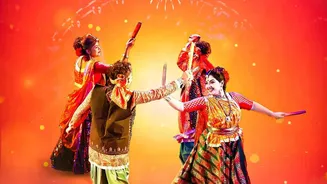
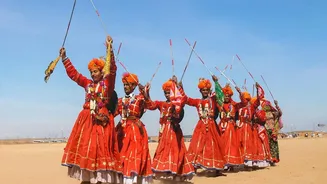
The heart of the festival lies in its breathtaking cultural performances. Each day, the central arena at Kisama hosts a rotating schedule of tribe-by-tribe showcases. Visitors can witness a stunning variety of traditions, from powerful warrior dances and folk songs to intricate rituals and soul-stirring war cries. The air fills with the rhythmic beat of log drums and the sounds of traditional instruments. Beyond the main stage, indigenous games and sports like Naga wrestling, traditional archery, and even a fiery chilli-eating contest offer a glimpse into the community's competitive and playful spirit. The festival opens on Nagaland Statehood Day (December 1) and closes with a grand parade, making these days particularly special.
The Heart of Naga Craftsmanship
The Hornbill Festival is a living museum of Naga craftsmanship. The grounds are dotted with stalls and exhibitions where visitors can explore and purchase a wide array of traditional arts. Artisans demonstrate age-old techniques, from intricate wood carving and sculpture to the delicate art of pottery. A standout feature is the handwoven textiles, with each tribe displaying shawls and fabrics with distinct colours, patterns, and motifs that represent their unique identity. You can also find remarkable beadwork, particularly from the Konyak tribe, and crafts made from bamboo, a material central to Naga life. It’s an unparalleled opportunity to appreciate and take home a piece of Nagaland’s artistic legacy.
Exploring the Morungs and More
A key experience at the festival is visiting the 'Morungs', which are traditional Naga bachelor dormitories. Each tribe has a replica morung at Kisama, constructed in its unique architectural style. These serve as community hubs where you can interact with elders, see demonstrations of crafts like weaving, and even be invited to share a mug of 'zutho', the local rice beer. Beyond the cultural displays during the day, the evenings come alive with the Hornbill International Music Festival, featuring rock contests and performances by bands from across the country. The Night Carnival in Kohima also offers more food, music, and shopping, extending the festive spirit after dark.
Planning Your 2026 Visit
The Hornbill Festival 2026 is scheduled from December 1 to 10 at the Naga Heritage Village, Kisama, which is about 12 kilometres from Kohima. The nearest airport and major railway station are in Dimapur, approximately 70–75 km from Kohima. Indian tourists need an Inner Line Permit (ILP) to enter Nagaland, which can be applied for online. It's crucial to book accommodation and flights well in advance, as Kohima gets fully booked months ahead of the festival. The festival offers an immersive experience, so planning for at least three to four days is recommended to soak in the atmosphere, explore the morungs, and witness a variety of performances.