







The Golden Ticket: Visa-Free Entry
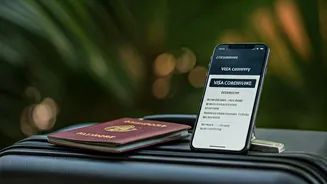
The single biggest catalyst for Malaysia’s newfound popularity is a significant policy shift. As of late 2023, Indian citizens can enter Malaysia for up to 30 days without a visa. This removes a major administrative hurdle and financial cost, making spontaneous
or planned long-stays much more feasible. Previously, the process involved applying for an eVISA online. While straightforward, the new visa-free system is a game-changer. It allows you to land, get stamped, and immediately start your adventure. This 30-day window is perfect for a 'workation' or a trial run to see if the Malaysian lifestyle suits you before considering longer-term options. It’s important to note this is a tourist entry; you cannot be formally employed by a Malaysian company on this visa. For digital nomads earning income from outside Malaysia, however, it’s the perfect entry point.
Why Malaysia Hits the Sweet Spot
So, what makes Malaysia so appealing beyond the easy entry? It’s a unique blend of modernity and tradition, convenience and affordability. The infrastructure is first-rate, with high-speed internet widely available in urban centres—a non-negotiable for any remote worker. The country is a melting pot of Malay, Chinese, and Indian cultures, which is reflected in its incredible food scene. You can eat like a king on a shoestring budget at hawker centres or enjoy world-class café culture. English is widely spoken, especially in cities like Kuala Lumpur and Penang, making it easy to navigate daily life. Add to this a warm tropical climate, stunning natural landscapes from rainforests to beaches, and a well-connected international airport, and you have a nearly perfect base for a budget-conscious nomad.
Decoding the 'Budget' in Budget Nomad
Affordability is a key driver, and Malaysia delivers. A comfortable lifestyle is achievable for a fraction of the cost of living in a major Indian metro or other nomad hubs in Europe. A solo nomad can live comfortably in Kuala Lumpur for approximately ₹60,000 to ₹80,000 per month, excluding initial setup costs. This would cover rent for a modern studio apartment or a room in a shared condo, utilities, food, local transport, and a co-working space membership. For instance, a hearty meal at a local food stall can cost as little as ₹200-₹300. A monthly pass for Kuala Lumpur’s excellent public transport is around ₹2,000. Rent is the biggest variable, but platforms like Airbnb and local property sites offer options from ₹25,000 a month for a decent place outside the prime city centre. By being savvy with food and transport, you can significantly stretch your budget.
Beyond KL: Finding Your Nomad Niche
While Kuala Lumpur (KL) is the default choice for many, Malaysia offers diverse environments. KL is the bustling capital, a hub of business, nightlife, and networking with a large expat and nomad community. It’s the best place for co-working spaces and events. But if you prefer a slower pace, consider Penang. A UNESCO World Heritage site, George Town in Penang is famed for its street art, colonial architecture, and arguably the best street food in Asia. It has a creative, bohemian vibe that attracts many artists and writers. For those seeking a beach-and-island life, Langkawi offers a duty-free haven with a relaxed atmosphere, though internet reliability can be more variable than in the cities. Each location offers a different flavour of the Malaysian experience, allowing nomads to choose a base that truly fits their personality and work style.
Planning Your Move: Practical First Steps
Ready to take the leap? Start with the logistics. Book your return flight, as immigration officials will likely require proof of onward travel for the visa-free entry. For your initial stay, book an Airbnb or a hotel for the first week to give yourself a base while you explore longer-term accommodation. Upon arrival, your first stop should be to get a local SIM card. Providers like Maxis, Celcom, and Digi offer affordable tourist plans with generous data allowances. Familiarise yourself with the Grab app—it's Southeast Asia's version of Uber and is used for everything from ride-hailing to food delivery. Connecting with the community is also key. Look for Facebook groups like 'Kuala Lumpur Expats and Digital Nomads' to get on-the-ground tips and meet fellow travellers.
The Long-Term Play: The DE Rantau Pass
If the 30-day visa-free stays leave you wanting more, Malaysia has an official answer. The DE Rantau Nomad Pass is a professional visit pass designed specifically for digital nomads. It allows qualified remote workers to stay in Malaysia for up to 12 months, with the option to renew for another 12. The eligibility criteria include proof of income (at least USD 24,000 per year) and evidence of remote work. While the application process is more involved, it provides a stable, long-term solution for those who fall in love with the country and want to make it a more permanent base. This programme shows Malaysia's serious commitment to becoming a premier hub for the global remote workforce, moving beyond short-term tourism.