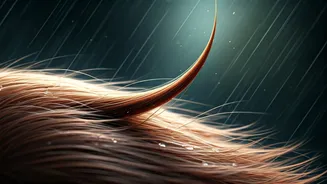









Why Monsoon Means More Hair Fall
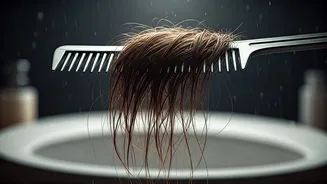
The feeling isn't just in your head. Dermatologists confirm that hair fall can increase by as much as 30% during the monsoon season. For a person who normally loses around 80 hairs a day, this can push the daily count towards 100-150, and in some cases,
even approach the 200 mark mentioned in the headline, especially if you're already prone to shedding. The primary culprit is humidity. The high moisture content in the air is absorbed by your hair strands, causing them to swell. This process disrupts the hydrogen bonds within the hair, making it weak, brittle, and prone to breakage. Furthermore, the constant dampness can create a perfect breeding ground on your scalp for fungal infections and dandruff, which in turn weaken the hair roots and lead to increased shedding. Your scalp also tends to get oilier, trapping dirt and further aggravating the problem.
Your First Line of Defence: A Clean Scalp
The cornerstone of monsoon hair care is hygiene. With the excess humidity and scalp oiliness, it’s crucial to keep your scalp clean to prevent clogged follicles and infections. You might need to wash your hair more frequently than you do in other seasons—perhaps every other day. Choose a mild, sulphate-free shampoo that cleanses effectively without stripping your hair of its natural oils. If you're struggling with dandruff, incorporate a medicated anti-dandruff shampoo containing ingredients like ketoconazole or zinc pyrithione into your routine once or twice a week. Most importantly, never leave your hair damp for long. After washing, gently pat it dry with a microfibre towel and ensure it is completely dry before tying it up or going to bed. A damp scalp is an invitation for fungal growth.
Eat Your Way to Stronger Hair
What you put inside your body is just as important as what you put on your hair. A balanced diet rich in essential nutrients can significantly fortify your hair against seasonal challenges. Prioritise protein, the building block of hair. Ensure you’re getting enough from sources like eggs, lentils, paneer, fish, and chicken. Iron is another critical mineral for hair health; a deficiency can be a major cause of hair loss. Load up on spinach, beetroot, and fortified cereals. Biotin (Vitamin B7) and Zinc are also power players in hair growth and strength. Find them in nuts, seeds, and whole grains. Staying hydrated by drinking plenty of water is also key to maintaining overall scalp and hair health.
Tweak Your Hair Care Routine
Monsoon is the time for a gentle and protective hair care regimen. First, ditch the fine-tooth combs. Use a wide-tooth comb to detangle your hair, especially when it's wet and at its most fragile. Start from the tips and work your way up to the roots to minimise breakage. Avoid tight hairstyles like high ponytails or tight braids, which can pull on the already weakened hair roots and cause traction alopecia. Opt for loose, comfortable styles. While a good conditioner is essential to manage frizz, apply it only to the lengths and ends of your hair, avoiding the scalp where it can contribute to build-up. Also, give heat styling tools like straighteners and curling irons a rest, as they can further damage and weaken your moisture-laden hair.
When to See a Professional
While seasonal hair fall is normal, it's important to recognise when it might be something more. If you notice bald patches, extreme thinning, or if your hair fall is accompanied by scalp redness, itching, or pain, it’s time to consult a professional. Losing more than 150-200 hairs consistently every day for several weeks, even after taking precautions, is also a sign that you should seek medical advice. A dermatologist or a trichologist can help diagnose any underlying conditions, such as hormonal imbalances, nutritional deficiencies, or other medical issues that could be contributing to your hair loss. They can provide a proper diagnosis and recommend a targeted treatment plan that goes beyond seasonal care.