


The ‘Secret’ Unveiled: What is Ubtan?
The skincare secret taking over social media is ubtan, a traditional Indian and Ayurvedic cleansing paste. Unlike modern cleansers, it isn't a single product but a bespoke blend of natural, powdered ingredients. Think of it as a multi-tasking powder that
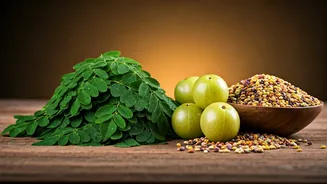
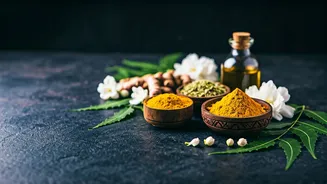
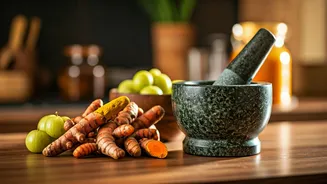
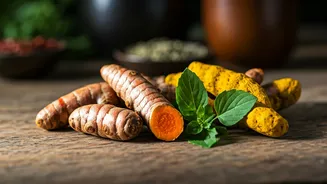
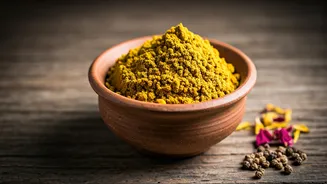
can be used as a cleanser, scrub, and face mask all in one. The base is typically made from gram flour (besan) and a liquid, like milk, yoghurt, or rose water, is added to form a paste. From there, the customisation is endless. Ingredients like turmeric (haldi), sandalwood (chandan), chickpea flour, and ground almonds or lentils are mixed in, each chosen for its specific skincare properties. It’s the original DIY skincare, a practice passed down through generations long before 'clean beauty' became a buzzword.
From Royal Rituals to Wedding Glow
Ubtan is not a fleeting trend; its roots run deep in Indian history and culture. Ayurvedic texts, some thousands of years old, mention similar paste-like cleansers for purifying the skin and balancing the body’s doshas. Historically, it was a luxurious ritual enjoyed by royalty to achieve a luminous complexion. Over time, it became an essential part of mainstream culture, most famously as the centrepiece of the Haldi ceremony in Indian weddings. This pre-wedding ritual involves applying an ubtan paste to the bride and groom. More than just a beauty treatment, the ceremony is symbolic, signifying purification, protection from the evil eye, and a way for family to bless the couple. The unmistakable golden glow it leaves behind is a cherished bonus, ensuring the couple looks radiant on their big day.
Why Is It All Over Your Feed?
So why is this ancient practice suddenly everywhere? Several factors are at play. First, there's a growing fatigue with complex, 10-step skincare routines and a desire for simpler, more natural alternatives. Ubtan fits this perfectly. It champions minimalism and uses ingredients you can find in your own kitchen. Second, the DIY and wellness culture on platforms like Instagram and TikTok has created a perfect storm. Influencers are sharing their family recipes, showcasing the satisfying process of mixing the paste and revealing their glowing results. This visual, hands-on appeal is highly shareable. Finally, there's a renewed appreciation for traditional knowledge and heritage. For many in the Indian diaspora, making and using ubtan is a way to connect with their culture and reclaim beauty practices that have stood the test of time.
The Science Behind the Ingredients
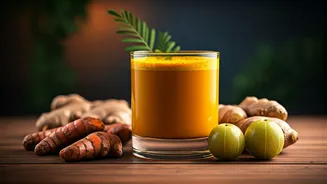
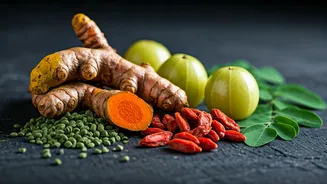
While tradition sings its praises, what does modern science say? A closer look at ubtan’s common ingredients reveals why it works. Gram flour (besan) acts as a gentle physical exfoliant, removing dead skin cells without the harshness of synthetic scrubs. Turmeric, the star ingredient, contains curcumin, a compound celebrated for its potent anti-inflammatory and antioxidant properties, which can help calm redness and brighten skin. Sandalwood is known for its soothing and cooling effects, making it ideal for irritated skin. When milk or yoghurt is used as the mixing liquid, the lactic acid provides gentle chemical exfoliation, helping to improve skin texture and hydration. While the blend itself hasn't been clinically trialled like a commercial product, the science behind its individual components is well-established, validating many of its traditional claims.
A Word of Caution: The DIY Dilemma
Before you rush to the kitchen, a few words of caution are in order. The beauty of ubtan is its customisation, but that’s also where things can go wrong. Not all ingredients are suitable for all skin types. Turmeric, for instance, can temporarily stain the skin yellow, especially fairer complexions. Some people may also be sensitive or allergic to certain ingredients, even natural ones. Lemon juice, a common addition in online recipes, is highly acidic and can cause significant irritation and sun sensitivity. The golden rule is to always do a patch test. Apply a small amount of the paste to your inner arm and wait 24 hours to see if any reaction occurs. And remember, while ubtan can deliver a wonderful glow, it's not a magic cure for serious skin conditions like severe acne or eczema, which require a dermatologist's care.