






First, What Is El Niño?
Simply put, El Niño is a climate pattern that involves the unusual warming of surface waters in the eastern tropical Pacific Ocean. This isn't just a local event; this massive release of heat into the atmosphere disrupts weather patterns globally. For
India, the primary concern is its relationship with the all-important southwest monsoon, which delivers the majority of the country's annual rainfall. Historically, El Niño years have been strongly linked with weaker monsoons and below-average rainfall across the subcontinent. While it's not a perfect one-to-one correlation, the connection is strong enough for forecasters to raise alerts whenever an El Niño event is confirmed.
From Farmlands to Urban Jungles
For decades, the conversation around El Niño and the monsoon has centered on agriculture, and for good reason. But its impact now weighs just as heavily on India's rapidly growing cities. The same weather patterns that affect crop yields also determine the water levels in the reservoirs that supply millions of urban residents in cities like Mumbai, Chennai, Bengaluru, and Delhi. A weak monsoon can lead to severe water cuts, increased reliance on expensive water tankers, and the depletion of already stressed groundwater reserves. For the urban Indian, the consequence of a distant Pacific warming is the very real possibility of a dry tap.
The Paradox: Drought and Deluge
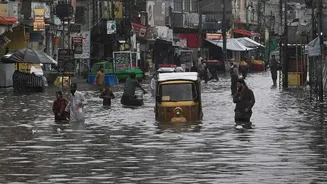
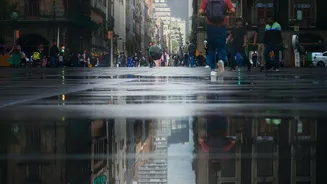
One of the most dangerous misconceptions about El Niño is that it only means less rain. The reality for cities is more complex and often more hazardous. Climate scientists have observed that El Niño can lead to longer dry spells punctuated by short, extremely intense bursts of rain. Our urban infrastructure, with its concrete surfaces and often-clogged, aging drainage systems, is ill-equipped to handle such deluges. The result is predictable: severe urban flooding that brings cities to a standstill, damages property, and poses significant public health risks. So, an El Niño year can paradoxically create a dual crisis of water scarcity and intense flooding.
Heat, Health, and Power Grids
The impacts of a disrupted monsoon extend beyond water. Deficient rainfall is often accompanied by higher-than-average temperatures. In a city, this effect is amplified by the 'urban heat island' phenomenon, where concrete and asphalt absorb and retain more heat than natural landscapes. This can lead to more frequent and intense heatwaves, putting vulnerable populations at risk and increasing health problems. Furthermore, hotter days and a greater reliance on air conditioning place immense strain on a city's power grid, leading to potential shortages and outages at a time when they are most needed.
What It Means for 2026
Recent forecasts from agencies like the US National Oceanic and Atmospheric Administration (NOAA) suggest a potentially strong El Niño is developing and expected to intensify through late 2026. The India Meteorological Department (IMD) has also factored this into its forecasts, predicting the possibility of weaker rainfall in the latter half of the monsoon season. While the immediate monsoon so far may not have been severely affected due to other regional climate drivers, the potential for reduced rainfall and its associated urban challenges remains a significant concern for the coming months. This highlights the need for cities to be prepared for erratic weather patterns.