



Valley of Flowers, Uttarakhand: A Carpet of Blooms
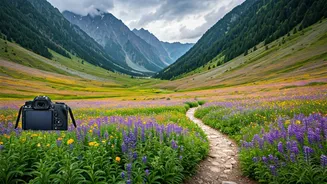
There's a reason this UNESCO World Heritage Site is a bucket-list destination, and July is its moment in the sun—or rather, the rain. The Valley of Flowers National Park opens for a limited window each year, with mid-July to mid-August considered the absolute
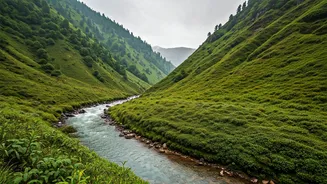
peak blooming season. The monsoon showers trigger a breathtaking display of over 500 species of alpine flowers, including the elusive Himalayan blue poppy and the Brahma Kamal. The entire valley becomes a vibrant tapestry of colours, set against a backdrop of mist-covered peaks. While the trek requires preparation for rain, the reward is a floral spectacle that few other places on Earth can match.
Spiti Valley, Himachal Pradesh: The Dry Escape
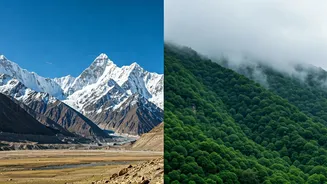
If you want the Himalayan experience without the downpour, Spiti Valley is your answer. Located in a rain-shadow region, it remains largely dry and accessible in July while the rest of Himachal Pradesh receives heavy rainfall. This high-altitude desert landscape offers stark, dramatic beauty with its rugged mountains, ancient monasteries like Tabo and Key, and pristine rivers. July is when the roads, including the high-altitude Kunzum Pass, are reliably open, allowing travellers to complete the full circuit from either Shimla or Manali. The weather is pleasant, with daytime temperatures perfect for exploring remote villages like Kibber and Kaza.
Wayanad, Kerala: Monsoon Magic in the Ghats
Down south, Wayanad in Kerala doesn't just tolerate the monsoon; it celebrates it. July turns this gem in the Western Ghats into a lush green paradise. The rain breathes new life into everything, making the spice plantations fragrant and the forests intensely verdant. Waterfalls like Soochipara and Meenmutty, which are modest trickles in the summer, become powerful, roaring cascades. The temperature cools down, the air is fresh, and the landscape is often draped in a romantic mist. It's an ideal time for those looking to experience the tranquil, rejuvenating side of Kerala, with fewer tourists and a more immersive connection with nature.
Munnar, Kerala: Tea Gardens Washed Anew
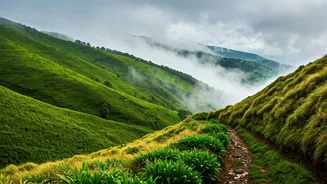
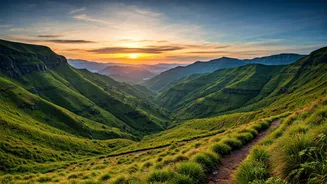
Much like its neighbour Wayanad, Munnar is transformed by the July rains into a scene of exceptional beauty. The rolling tea gardens, for which Munnar is famous, are washed clean, appearing even more vibrant and green. The monsoon season is considered an off-peak period, which means you can enjoy the stunning landscapes without the usual crowds. Mist often hangs low over the hills and valleys, creating a dreamy, ethereal atmosphere perfect for photography. Attractions like Mattupetty Dam and Pothamedu Viewpoint take on a new charm, and the overflowing Attukal Waterfalls are a sight to behold.
Kodaikanal, Tamil Nadu: The Princess of the Clouds
Often called the 'Princess of Hill Stations', Kodaikanal lives up to its name in July, offering a cool, misty retreat. The monsoon transforms the town into a serene haven where dense fog rolls across the hills and the famous Kodai Lake. The surroundings become incredibly lush and picturesque, with waterfalls like Silver Cascade at their most impressive. While heavy rain can limit some outdoor activities, the cool weather and peaceful ambiance are perfect for those looking to relax. Enjoying the view from Coaker's Walk as clouds drift by or taking a boat ride on the misty lake makes for a truly memorable monsoon experience.