


A Global Spectacle of Sun and Moon
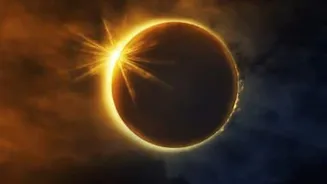
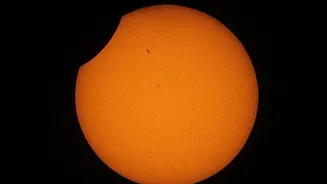
On August 12, 2026, the Moon will pass directly between the Sun and Earth, casting its shadow and creating a breathtaking total solar eclipse. The main path of this shadow, known as the path of totality, will begin over the Arctic, sweep across Greenland
and Iceland, and finish over northern Spain and a sliver of Portugal just before sunset. This makes it the first total solar eclipse visible from mainland Europe since 1999, generating significant excitement for skywatchers in the region. Unfortunately for observers in India, the entire event will occur during local nighttime hours, making it impossible to see directly. But that is precisely where the modern viewing experience comes into play, transforming a geographical limitation into a global opportunity.
Why This Eclipse Is Special
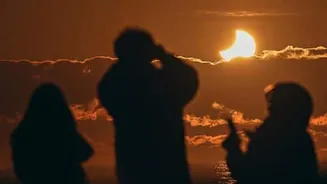
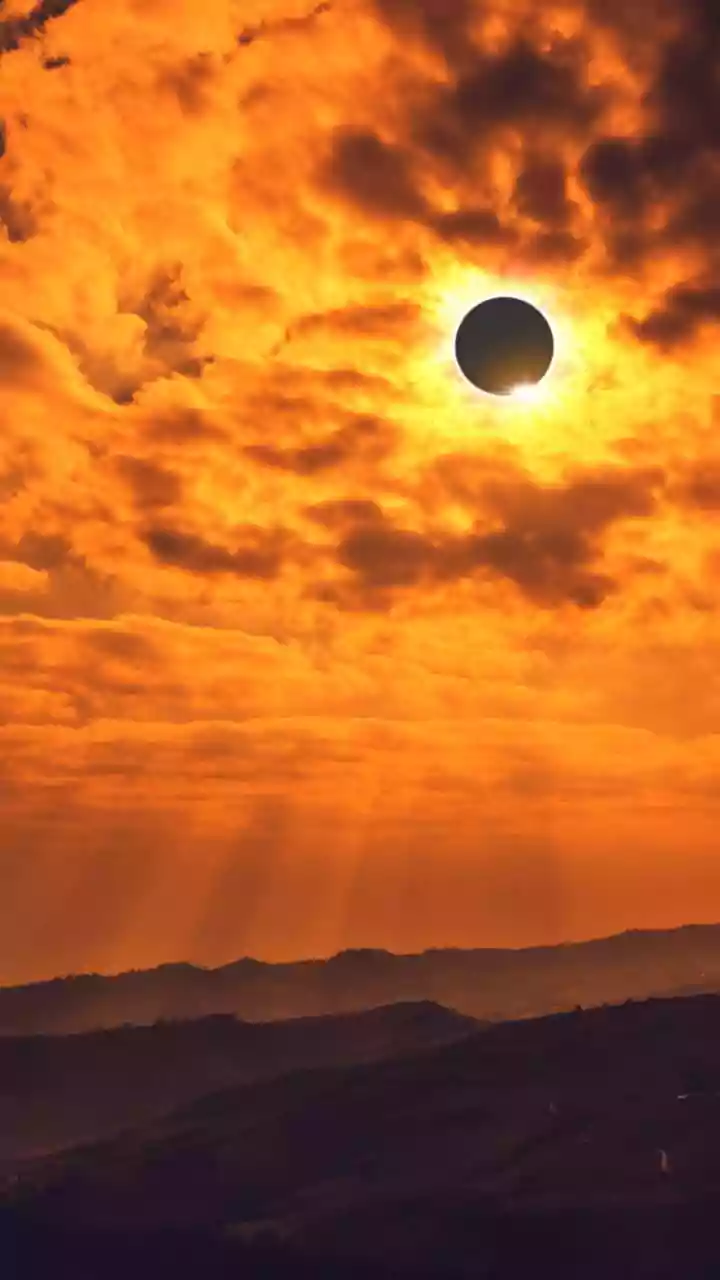
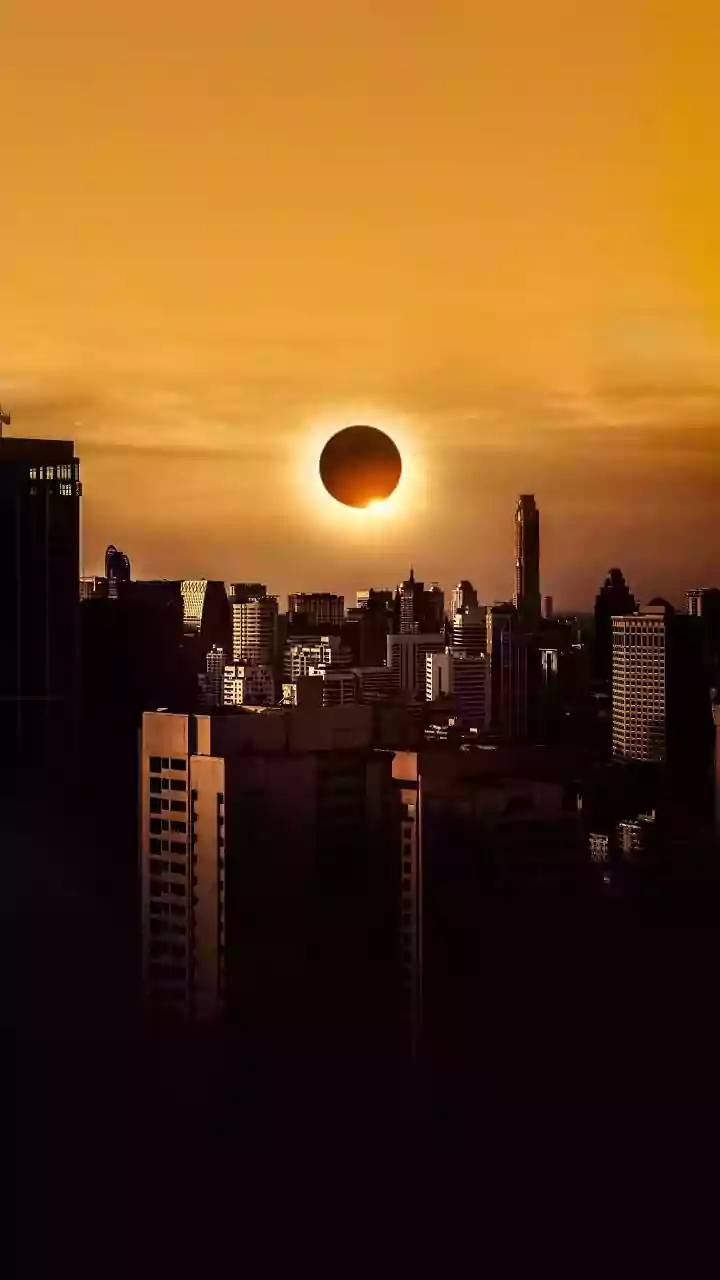
This isn't just any solar eclipse. The 2026 event has several unique characteristics that make it a must-watch. It's the only total solar eclipse that will be visible from Iceland in the 21st century, with the next one not occurring there until 2196. The path itself is unusual, starting in Russia's high Arctic and looping southwards towards Europe. For those in Spain, totality will occur very low on the horizon, creating the potential for a stunning, dramatic sunset eclipse—a rare photographic opportunity. The maximum duration of totality, when the Sun is completely obscured, will be a little over two minutes. The event also happens to coincide with the peak of the annual Perseid meteor shower, though the bright twilight of the eclipse will likely outshine any potential meteors.
NASA's Official Broadcast: Your Front-Row Seat
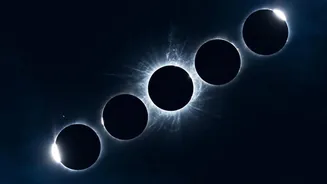
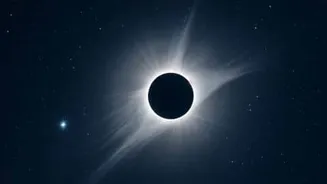
For those outside the path of totality, NASA provides the ultimate viewing solution. The US space agency will host a comprehensive live stream of the eclipse, making the spectacle accessible to everyone with an internet connection. The broadcast is scheduled to begin at 1:15 p.m. EDT, which translates to approximately 10:45 p.m. India Standard Time (IST) on the night of August 12. The stream will feature high-definition live feeds from telescopes stationed along the eclipse's path, including locations in Iceland and Spain. This ensures clear, close-up views of the Sun's corona—its ethereal outer atmosphere that is only visible during a total eclipse. The broadcast will also include commentary and interviews with NASA scientists and eclipse experts, who will explain the science behind the phenomenon and answer questions from the public via social media.
How and When to Watch From India
Watching this global event from India is simple. Mark your calendar for the night of Wednesday, August 12, 2026. The entire eclipse window, including the partial phases, will run from late evening in India into the early hours of August 13. NASA's main broadcast starts around 10:45 p.m. IST. You can tune in through NASA's official YouTube channel, the NASA TV section on their website (nasa.gov/live), or the NASA app. Other organizations, like the European Space Agency (ESA) and the San Francisco-based Exploratorium, will also be hosting their own live streams from Spain, offering alternative views and commentary. It's advisable to check the official websites of these organizations closer to the date for the most accurate schedules and direct links to the live feeds.
Tips for the Best Virtual Viewing Experience
To make the most of your virtual eclipse-watching party, a little preparation goes a long way. First, ensure you have a stable internet connection to avoid buffering during the crucial moments of totality. For a more immersive experience, cast the live stream to a large-screen television or projector. The expert commentary is a key part of the broadcast, so be sure to have your sound on to learn about the science as it happens. Consider inviting friends or family to watch with you to share in the collective awe of the moment. Without the need for special eclipse glasses, online viewing is the safest and most accessible way to witness this awe-inspiring alignment of celestial bodies. It's a chance to be part of a worldwide event and see the cosmos in action, all from the comfort of your living room.