





What Exactly Is Being Proposed?
The Goa Forest Department has put forward a significant proposal to designate 24 beaches across the state as official turtle nesting sites under the Coastal Regulation Zone (CRZ) Notification, 2019. This list includes 10 beaches in North Goa and 14 in South
Goa. While some beaches like Morjim, Agonda, and Galgibaga are already well-known for turtle nesting, this proposal seeks to formalize protections and expand them to many of Goa's most popular tourist hubs, including Calangute, Baga, Candolim, and Palolem. If accepted, this designation would pave the way for stricter rules governing activities on these beaches, especially during the nesting season.
The Heart of the Matter: Protecting Olive Ridleys
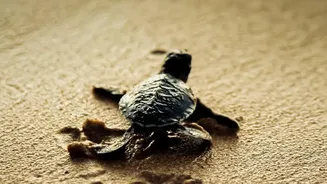
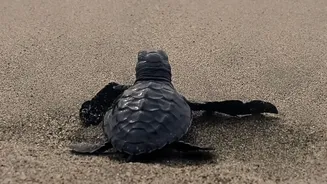
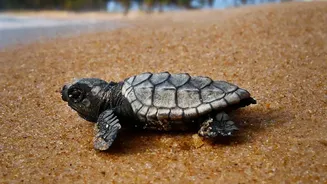
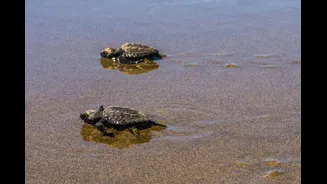
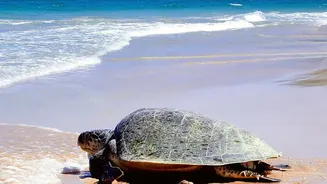
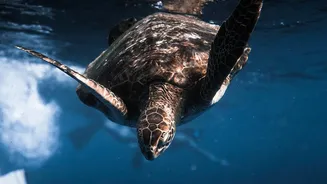
This move is driven by conservation concerns, specifically for the endangered Olive Ridley sea turtles that visit Goa's shores annually to lay their eggs. The nesting season, which typically runs from November to March, is a fragile period. Artificial lighting from shacks and events can disorient hatchlings, causing them to move inland instead of towards the sea. Loud music, vehicle movement on the sand, and general beach activity can also disturb nesting females, preventing them from laying their eggs. Conservationists have pointed to a decline in nesting numbers in recent years, prompting the Forest Department to seek more robust protective measures to ensure the survival of this vulnerable species.
Potential Impact on Beach Shacks
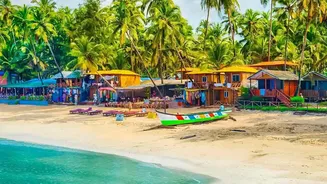
For Goa's iconic beach shacks, the proposal could bring significant operational changes. While specific rules are yet to be finalized, the designation as a turtle nesting site would likely lead to tighter controls on nighttime activities. This could include mandatory dimming or redirecting of lights, restrictions on playing loud music after a certain hour, and potentially earlier closing times. Shack owners are concerned that these rules, while well-intentioned, could hurt their business, which relies heavily on the evening and late-night tourist crowd. The All Goa Private Property Shacks and Huts Owners Association has voiced strong opposition, fearing that such restrictions will not only reduce revenue but could threaten their livelihoods altogether.
New Rules for Beach Events and Weddings
It’s not just shacks that would be affected. The proposal would also have major implications for the thriving beach event industry, including destination weddings, parties, and festivals. Any large-scale gathering on a designated turtle nesting beach would likely face a more stringent approval process. Restrictions on lighting, sound systems, and temporary structures would almost certainly apply, particularly during the nesting season. This could make it more difficult and expensive to host events on some of Goa's most picturesque and popular beaches, forcing a rethink for an industry that has become a key part of Goa's tourism economy.
The Industry's Reaction and Concerns
The response from tourism stakeholders has been one of alarm and a call for consultation. Many, including the Shack Owners Welfare Society, feel the proposal to declare 24 beaches is too sweeping and impractical. They argue that a balance must be struck between environmental protection and the economic realities of a state where nearly 70% of livelihoods in some coastal areas, like Canacona, depend on tourism. Stakeholders are not against protecting turtles, but they are asking for clarity and a more targeted approach, suggesting protections be focused on specific, known nesting spots rather than entire beach stretches. They have urged the government to take local communities into confidence before making a final decision.
What Happens Next?
It is crucial to understand that this is still a proposal. The Forest Department has sent its recommendation to the Department of Environment and Climate Change for consideration under the CRZ notification. This will likely be followed by a period of public consultation and debate, where tourism bodies and local communities can formally present their arguments and suggestions. The government will have to weigh the undeniable need for conservation against the powerful economic engine of beach tourism. The final outcome will depend on whether a middle ground can be found that allows Goa's turtles and its vibrant tourism industry to coexist sustainably.