
An Uncontrolled Experiment
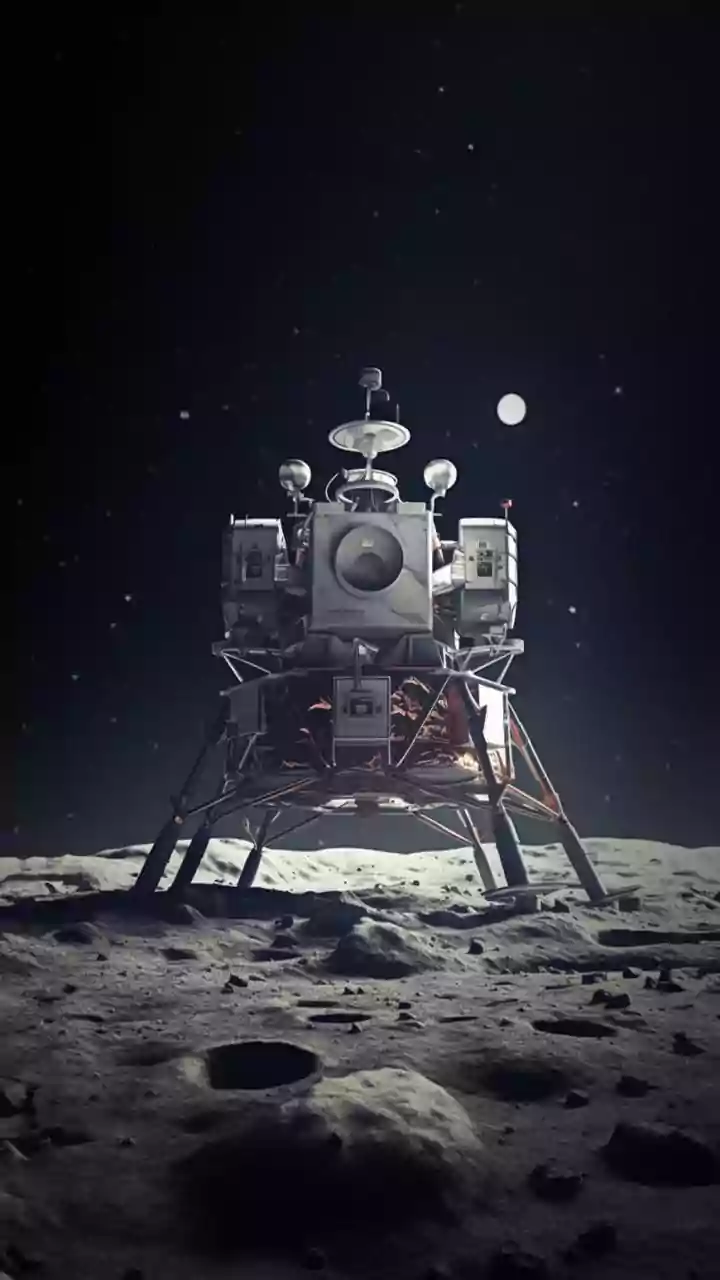
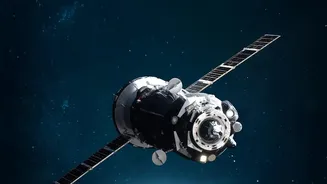
A four-tonne upper stage of a Falcon 9 rocket is set to slam into the Moon's surface at over 8,000 km/h. The hardware is left over from a January 2025 mission that successfully sent two commercial landers toward the Moon. After releasing its payload,
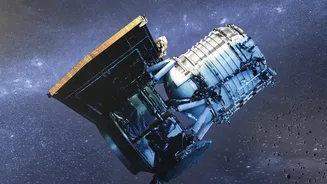
the rocket stage was left in a chaotic orbit. Over the past 19 months, gravitational forces and solar activity have nudged it from its path, turning what was once a key piece of technology into uncontrolled debris on a terminal trajectory. Astronomers have been tracking the object, predicting the impact with certainty. While human-made objects have hit the Moon before, this incident highlights the growing challenge of space debris as lunar exploration accelerates.
Creating a Plume of Discovery
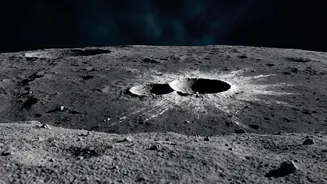
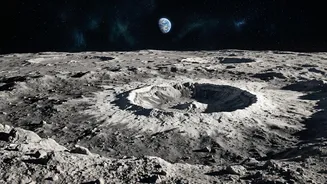
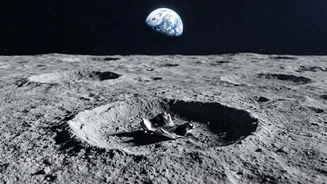
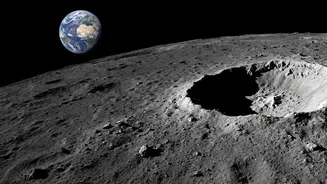
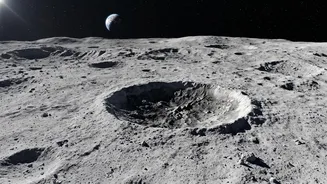
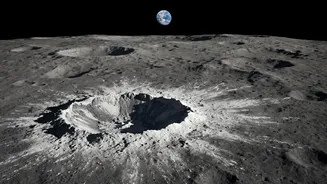
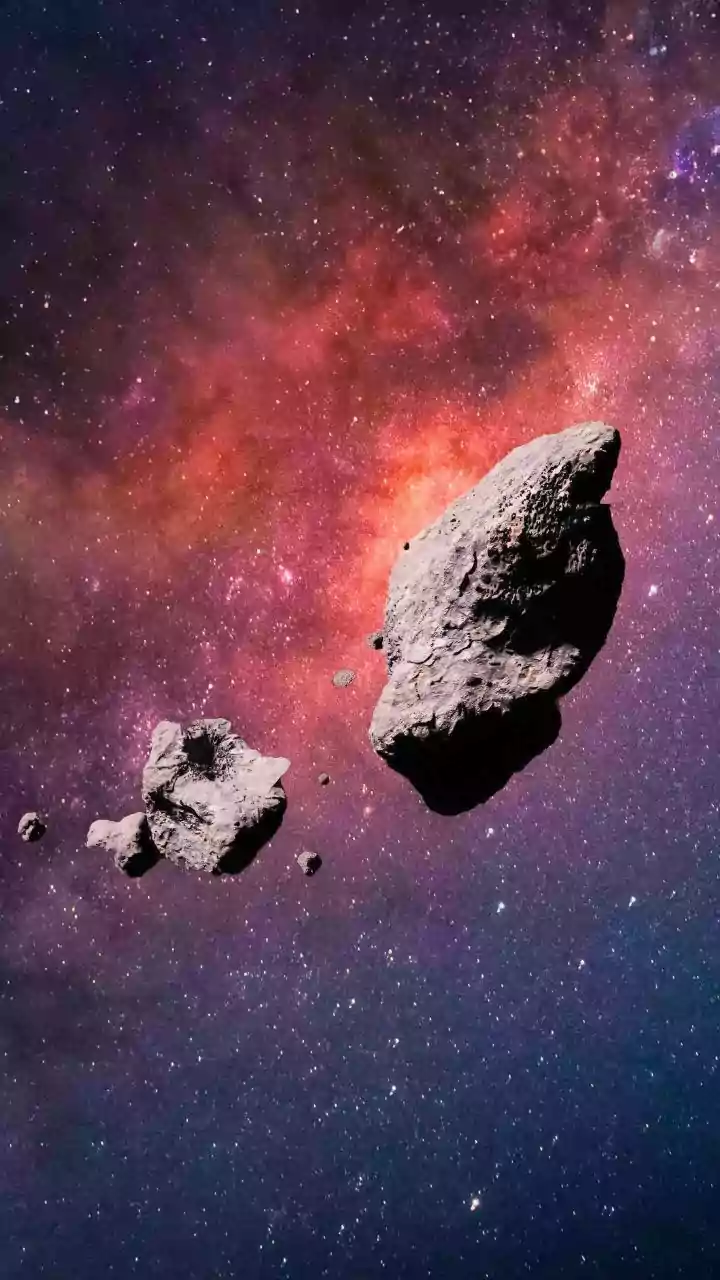
Scientists aren't just watching a crash; they are anticipating a major scientific event. The impact will carve out a new crater, estimated to be up to 30 metres wide, and blast thousands of kilograms of lunar soil and rock into the vacuum of space. This material, known as an ejecta plume, is the main prize. Because there is no easy way to dig deep into the Moon's surface, this violent collision acts as a powerful, albeit accidental, excavator. The plume will kick up material from beneath the pristine surface, giving researchers a brief but invaluable glimpse of what lies underneath. Several lunar orbiters, including NASA's Lunar Reconnaissance Orbiter and South Korea's Danuri, are positioned to observe the aftermath, hoping to analyse the composition of this excavated material.
The Search for Lunar Secrets
The primary goal is to analyse the ejecta plume for signs of water ice. Finding water is the holy grail of lunar exploration, as it could one day be used for drinking water, to create breathable oxygen, or be broken down into rocket fuel for future missions. While previous missions have confirmed ice in permanently shadowed craters, this impact could reveal if it's more widespread. Beyond water, scientists will use spectrometers to study the plume's chemical makeup, learning about the composition and physical properties of the lunar soil, or regolith. This data is crucial for planning future human settlements, helping engineers understand the resources and risks on the Moon. The collision itself provides a rare chance to test models of how craters are formed, which helps in assessing the risk from natural meteoroid impacts.
A History of Cosmic Collisions
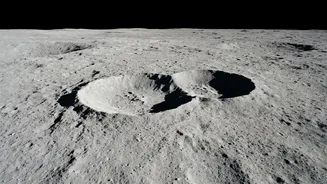
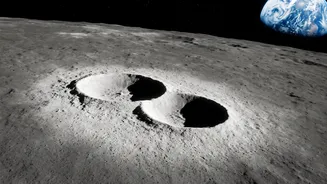
This isn't the first time a man-made object has slammed into the Moon. The practice dates back to the space race. However, most early impacts were either crashes or intentional disposals. In 2009, NASA deliberately crashed its LCROSS probe into a crater near the south pole in a successful mission to confirm the presence of water ice. More recently, in 2022, a booster from a Chinese rocket mission also made an uncontrolled impact on the far side of the Moon, leaving a distinctive double crater. Each of these events, planned or accidental, has added to our understanding of the Moon. This Falcon 9 impact is unique because its mass, velocity, and composition are well-known, turning it into a controlled experiment in all but intent.
What Comes Next
While the impact itself will be too faint to see from Earth with the naked eye, a network of ground-based telescopes and orbiting spacecraft will be watching closely. The immediate goal is to capture data from the ejecta plume before it settles back onto the lunar surface, a process that could take several minutes in the Moon's low gravity. In the days and weeks that follow, orbiters will pass over the impact site to take high-resolution images of the new crater. Comparing these 'before and after' shots will allow scientists to precisely measure the crater's size and shape, further refining their impact models. The analysis of the data will take months, but it promises to yield new insights into the geology of our nearest celestial neighbour, all thanks to a piece of wandering space junk finding a new, explosive purpose.