

A Seasonal Spectacle Awakens
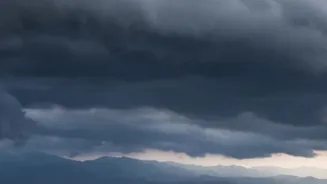
Located in the Kasmar block, about 50 kilometres from the Bokaro district headquarters, Sevati Valley is a place of serene, natural beauty that truly comes alive with the rains. For most of the year, it is a quiet expanse of hills and greenery, but the monsoon
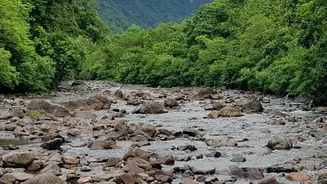
acts as a key, unlocking a dramatic seasonal identity. Steady rains feed the streams, and the valley undergoes a spectacular makeover, drawing visitors from across the region who come to witness its revival. This natural treasure, which sits along the Jharkhand-West Bengal border, has become an increasingly popular destination for nature lovers and those seeking a quick, refreshing escape from city life.
The Allure of Cascading Waterfalls
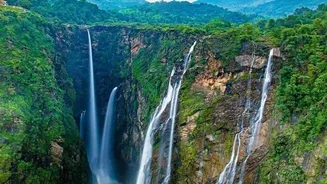
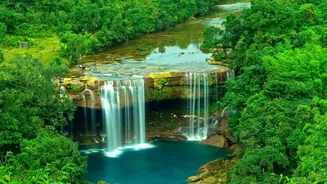
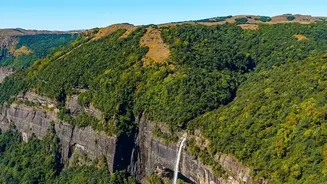
The main attraction during this season is undoubtedly the gushing waterfall that cuts through the lush hills. What is a gentle stream for most of the year becomes a powerful, white cascade, tumbling down the rocks and creating a mesmerising sight. The sound of the water, mixed with the fresh, earthy smell of the rain-soaked soil, creates a completely immersive experience. The waterfall has become a favourite backdrop for photographers and selfie-takers, with many travellers pulling over simply to admire the view and capture the moment. It is this fleeting, powerful display of nature that makes a monsoon trip to Sevati Valley so special.
A Carpet of Greenery
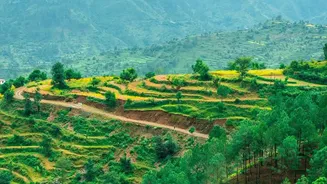
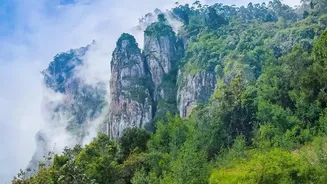
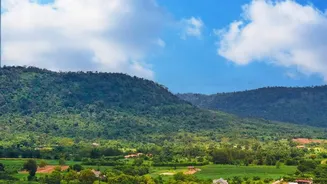
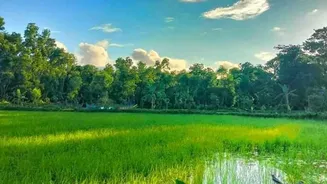
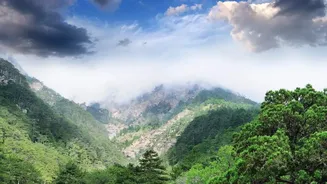
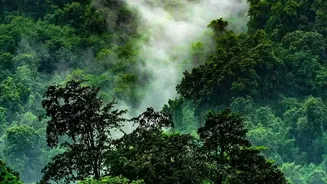
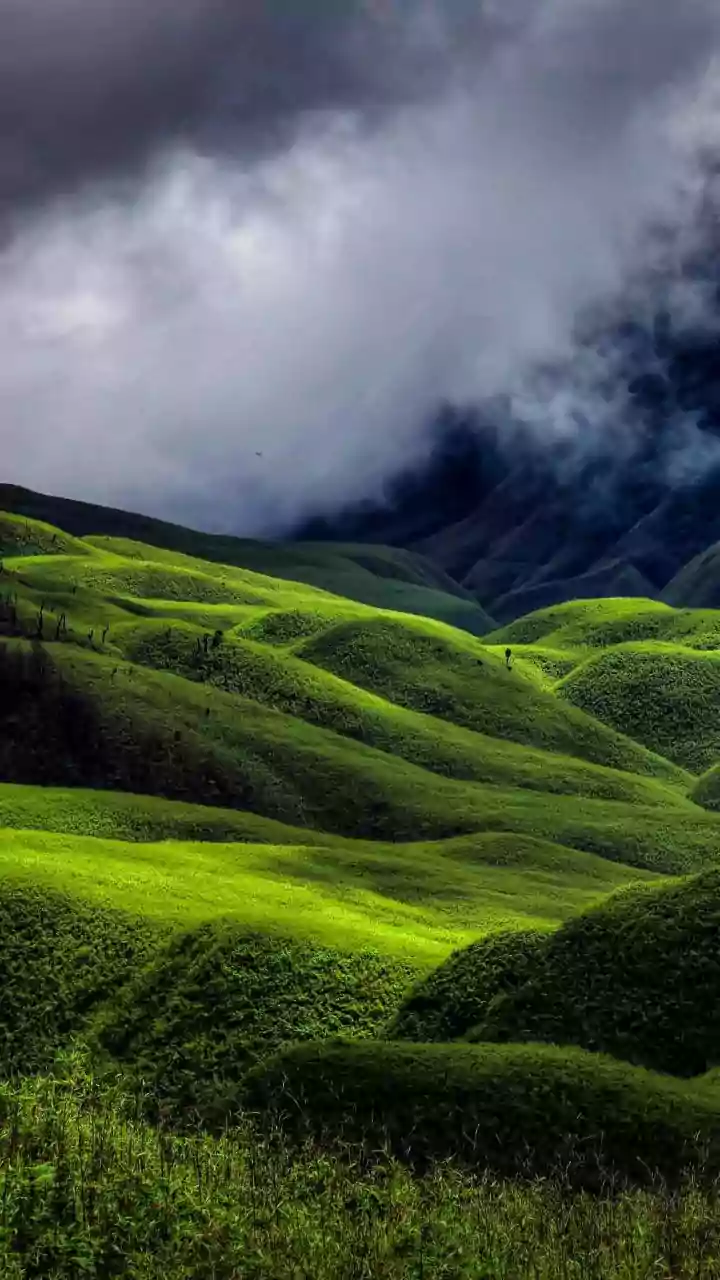
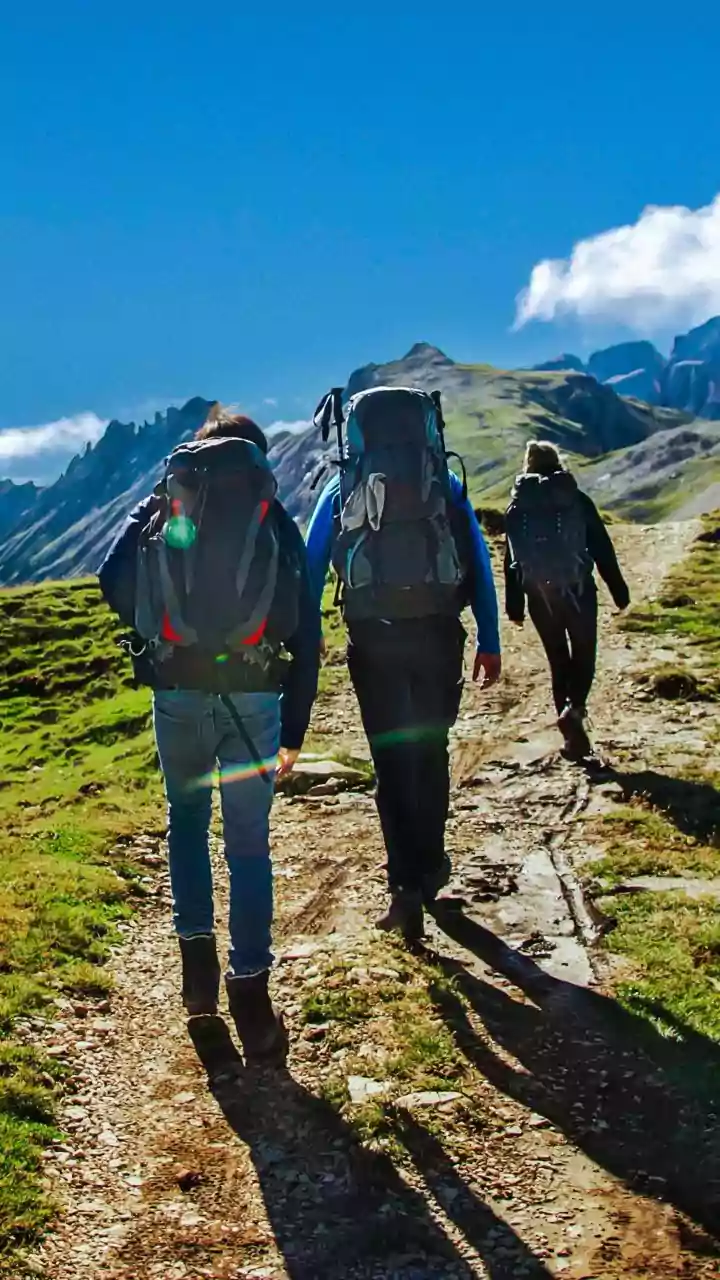
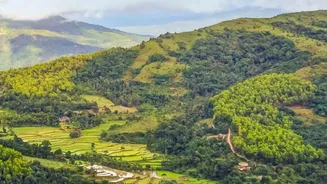
Beyond the waterfall, the entire valley is transformed into a vibrant panorama of green. The hills are covered in dense, fresh foliage, and the air is often filled with a light mist, adding to the ethereal atmosphere. The landscape, with its cloud-covered peaks and countless small streams, offers a profound sense of peace and tranquility. It’s an ideal setting for those who appreciate trekking, as the hills provide a beautiful, if sometimes challenging, terrain for a monsoon hike. The journey through the verdant environment is as much a part of the experience as the destination itself.
Planning Your Visit
Reaching Sevati Valley is relatively straightforward. From Bokaro Steel City, it is approximately a 50-kilometre drive, located in the Kasmar block. The nearest major railway station is in Bokaro, and the closest airport is Birsa Munda Airport in Ranchi, about 122 kilometres away. The best time to visit is during the peak monsoon months, from July to September, when the waterfall is at its most impressive. Visitors are advised to wear sturdy footwear with good grip, as paths and rocks can be slippery. It’s also a good idea to carry your own water and snacks, as facilities at the site are minimal.
A Call for Responsible Tourism
As the valley’s popularity grows, so does the need for responsible tourism. Local community leaders have called for the development of basic infrastructure, such as safety measures, seating areas, and proper sanitation facilities, to better accommodate visitors while preserving the area's natural state. Visitors are encouraged to play their part by not littering and respecting the pristine environment. By ensuring that the natural beauty is left undisturbed, future generations of visitors will be able to enjoy the monsoon magic of Sevati Valley. Better infrastructure could also provide livelihood opportunities for local communities, turning this seasonal wonder into a sustainable asset.