


The Proposal: A Public Health Shift
A growing consensus of Indian health experts, including those from clinical medicine and public health, are recommending the adoption of potassium-enriched low-sodium salt substitutes (LSSS) as a national public health strategy. This move is aimed at tackling
India's rising rates of hypertension (high blood pressure) and cardiovascular disease. Studies show that the average daily salt intake in India is between 8 to 11 grams, far exceeding the World Health Organization's recommendation of less than 5 grams per day. Experts believe that since nearly 80% of sodium intake comes from salt added during home cooking, a switch at the household level could have the most significant impact. The proposal calls for policy changes, including updating FSSAI standards to officially recognise LSSS as 'edible salt' and integrating it into government nutrition programs like mid-day meals.
What Exactly Is Table Salt?
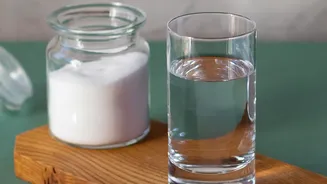
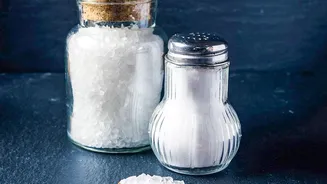
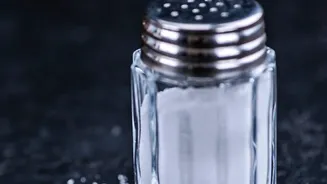
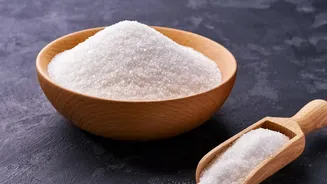
The common salt found in most kitchens is sodium chloride (NaCl), typically composed of about 40% sodium and 60% chloride. Sodium is a mineral essential for life; it helps maintain fluid balance, and nerve and muscle function. However, excessive sodium intake is a major risk factor for high blood pressure. When you consume too much sodium, your body retains water to dilute it, increasing the volume of blood in your bloodstream. This elevated volume forces your heart to work harder and increases pressure on your blood vessels, leading to hypertension over time. In India, most table salt is also iodised, a crucial public health measure to prevent iodine deficiency disorders.
Understanding Low-Sodium Salt Substitutes
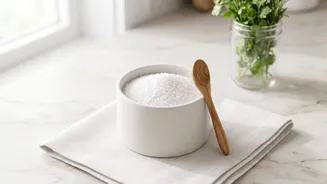
Low-sodium salt substitutes are not salt-free. Instead, they are formulated to look, taste, and cook like regular salt but with a different chemical composition. Typically, they replace 15% to 30% of the sodium chloride with potassium chloride (KCl). This simple switch has a dual benefit: it reduces your intake of sodium while simultaneously increasing your intake of potassium. Most Indian diets are not only high in sodium but also deficient in potassium, a mineral that helps relax blood vessel walls and encourages the kidneys to excrete excess sodium. By addressing both issues at once, these substitutes can effectively help lower blood pressure.
The Health Argument: Why It Matters
The push for lower-sodium salt is rooted in stark health realities. High blood pressure is a silent epidemic in India, linked to an estimated 1.75 lakh deaths annually. It is a primary risk factor for strokes, heart attacks, and chronic kidney disease. Studies have shown that replacing regular salt with a potassium-enriched substitute can significantly lower blood pressure. One global study estimated that such a switch in India could prevent nearly 400,000 deaths and over 1.5 million new cases of cardiovascular and kidney disease every year. Experts refer to this intervention as a 'dietary vaccine'—a passive, low-effort change that could provide continuous cardiovascular protection without requiring people to sacrifice the taste of their food.
Are There Any Risks or Downsides?
While low-sodium, potassium-enriched salt is safe for the general population, it is not recommended for everyone. The primary concern revolves around the increased potassium intake. For individuals with advanced chronic kidney disease, or those on certain medications that impair the body's ability to excrete potassium, a sudden increase could lead to hyperkalemia (dangerously high potassium levels). This condition can cause heart arrhythmias and other serious issues. Therefore, it is crucial for people with kidney problems or those taking specific blood pressure medications to consult their doctor before making the switch. Other practical concerns include cost and availability; currently, LSSS products can be more than double the price of regular salt and are not widely available outside of larger supermarkets.